Antioxidants on the Plate
Everyday food combinations, compounds, and what human research actually says.
A 14-page printable handbook examining 6 everyday combinations. Learn the crucial difference between 'contains antioxidants' and 'bioavailable in blood', how healthy fats unlock carotenoids, and where clinical proof ends.
Instant Access to the 11-Page PDF
Enter your email for the complete 11-page editorial guide with full references, food ratios, and glucose mechanism charts.
6 Everyday Combinations Examined
Each entry explains what compounds are inside, what human trials measured, and how to enjoy whole foods without exaggerated claims.
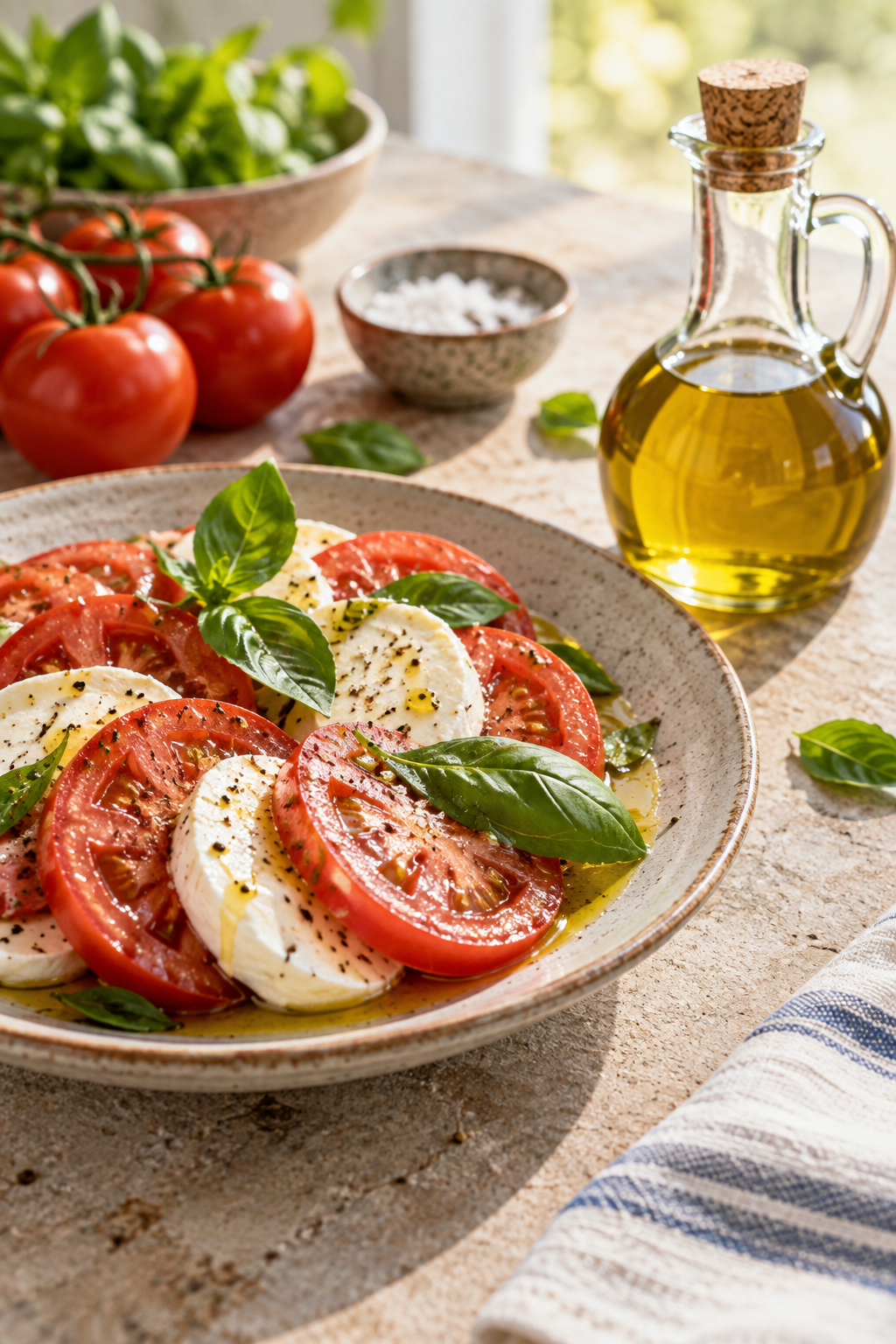
Tomato + Olive Oil
"Why might a little olive oil change what your body gets from a tomato?"
Human studies show consuming tomatoes cooked with olive oil significantly increases plasma lycopene concentration compared to tomatoes without fat. Dietary lipids enhance carotenoid bioaccessibility.
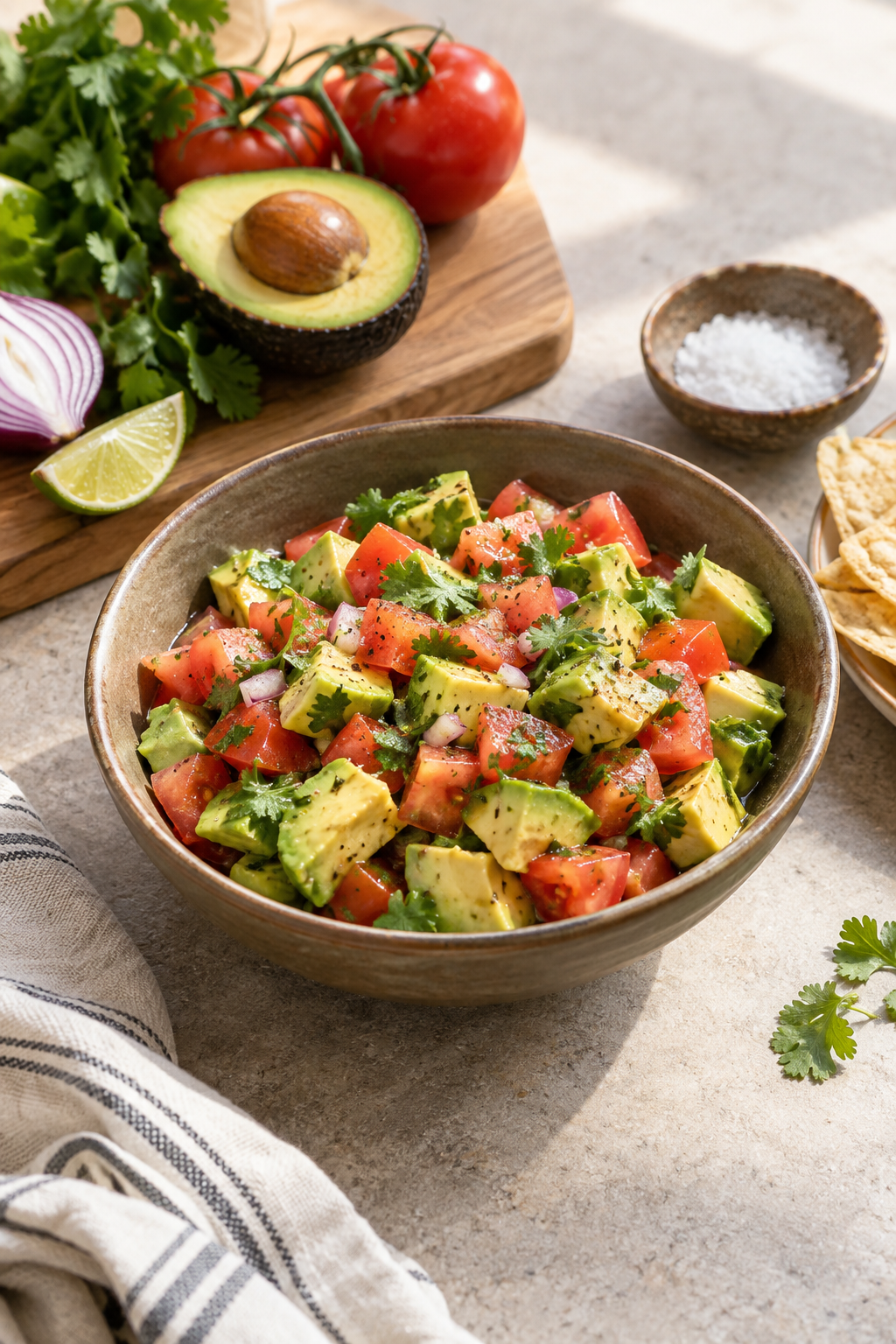
Avocado + Tomato
"Can the creamy part of a salad change what happens to its colorful nutrients?"
A clinical trial in humans demonstrated that adding avocado or avocado oil to salad and salsa enhanced lycopene absorption by 4.4-fold and beta-carotene absorption by 2.6-fold.
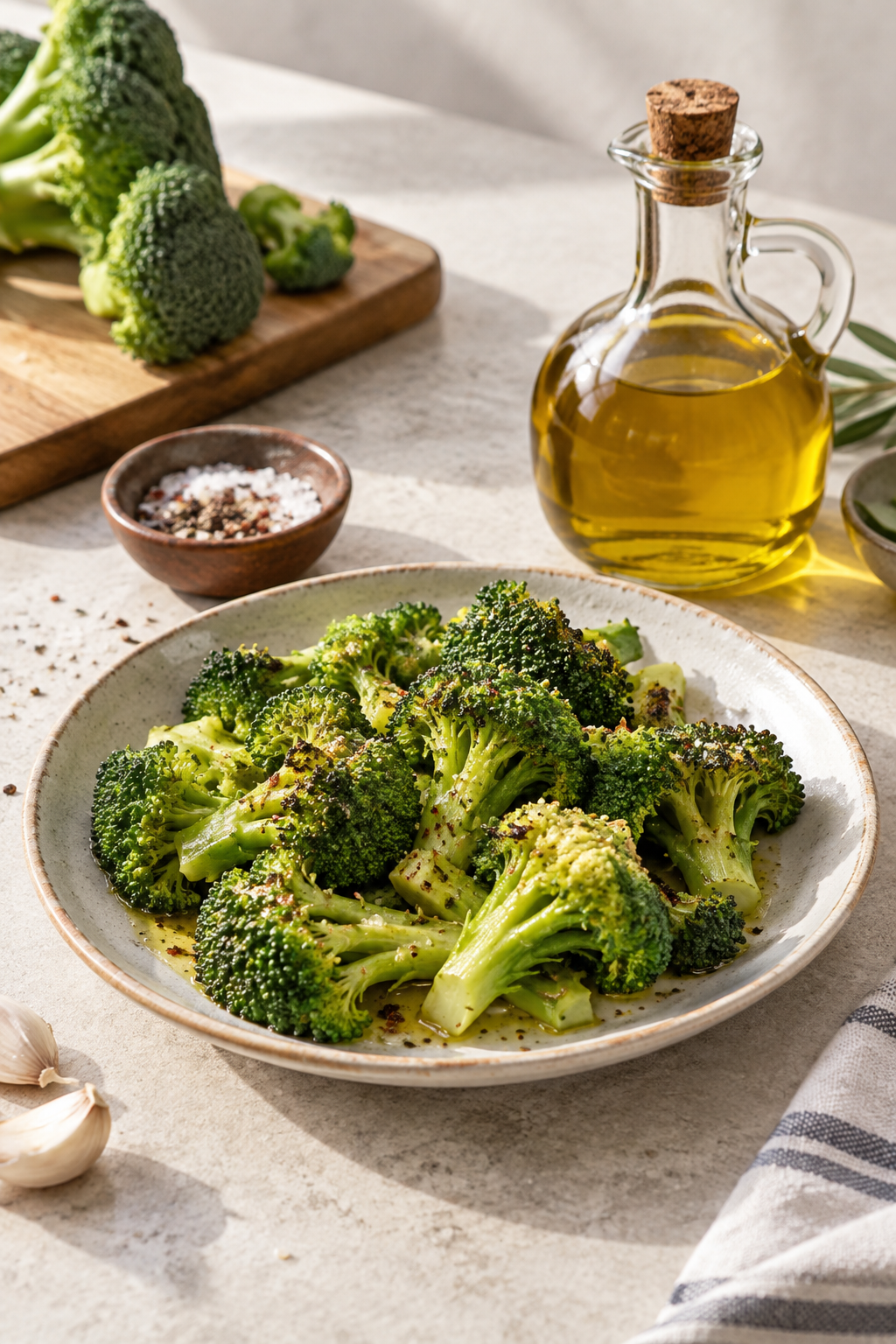
Broccoli + Olive Oil
"Why does 'contains antioxidants' tell us less than many food labels suggest?"
Broccoli provides glucosinolates and vitamin C. Olive oil provides lipid vehicles. However, in-vitro antioxidant capacity is a chemical metric, not an automatic proof of disease outcome.
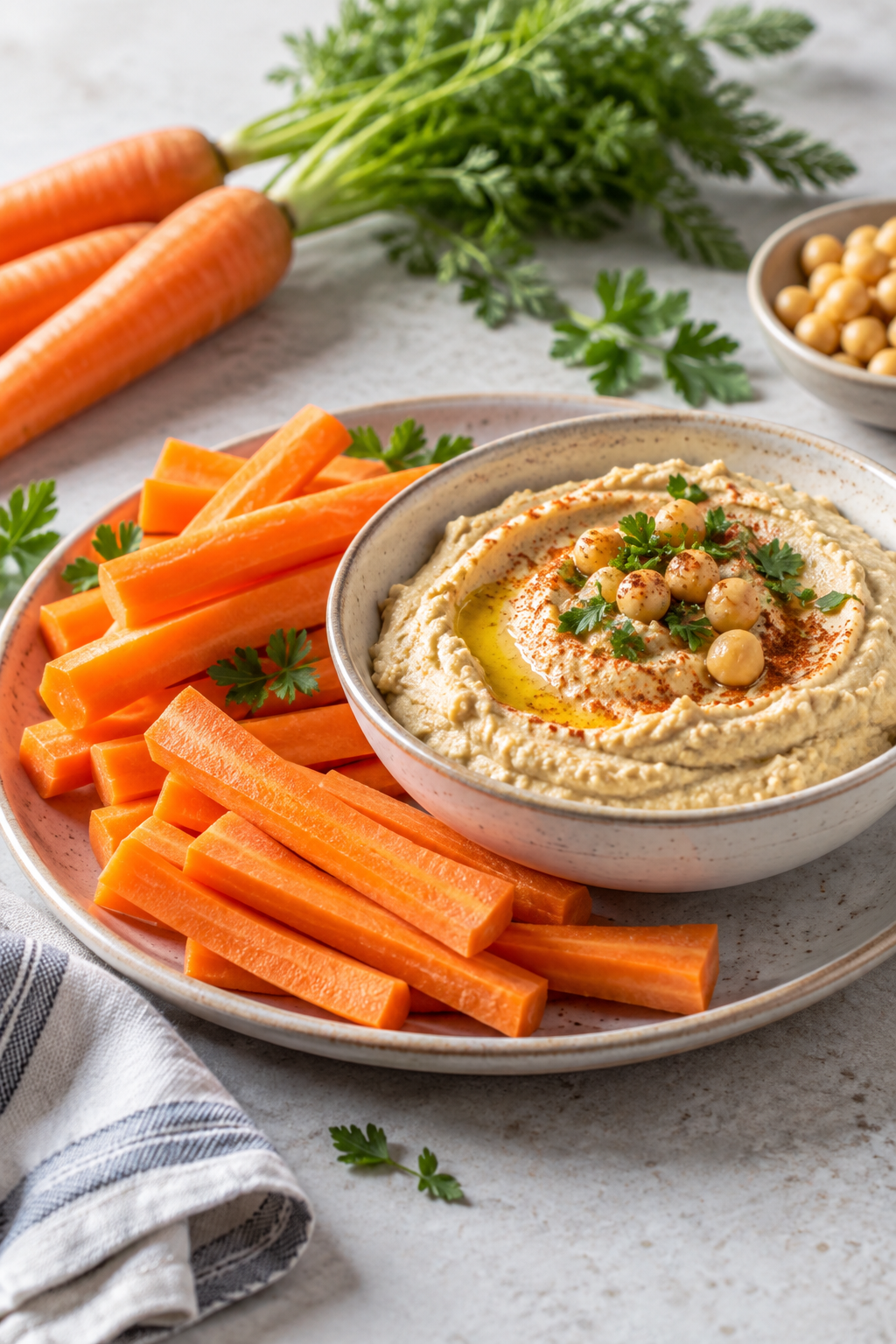
Carrot + Hummus
"What can a dip change about the nutrition of a crunchy vegetable?"
Carrots supply provitamin A carotenoids. Hummus adds plant protein, viscous fiber, and sesamin fats from tahini, creating a balanced meal context with higher satiety.
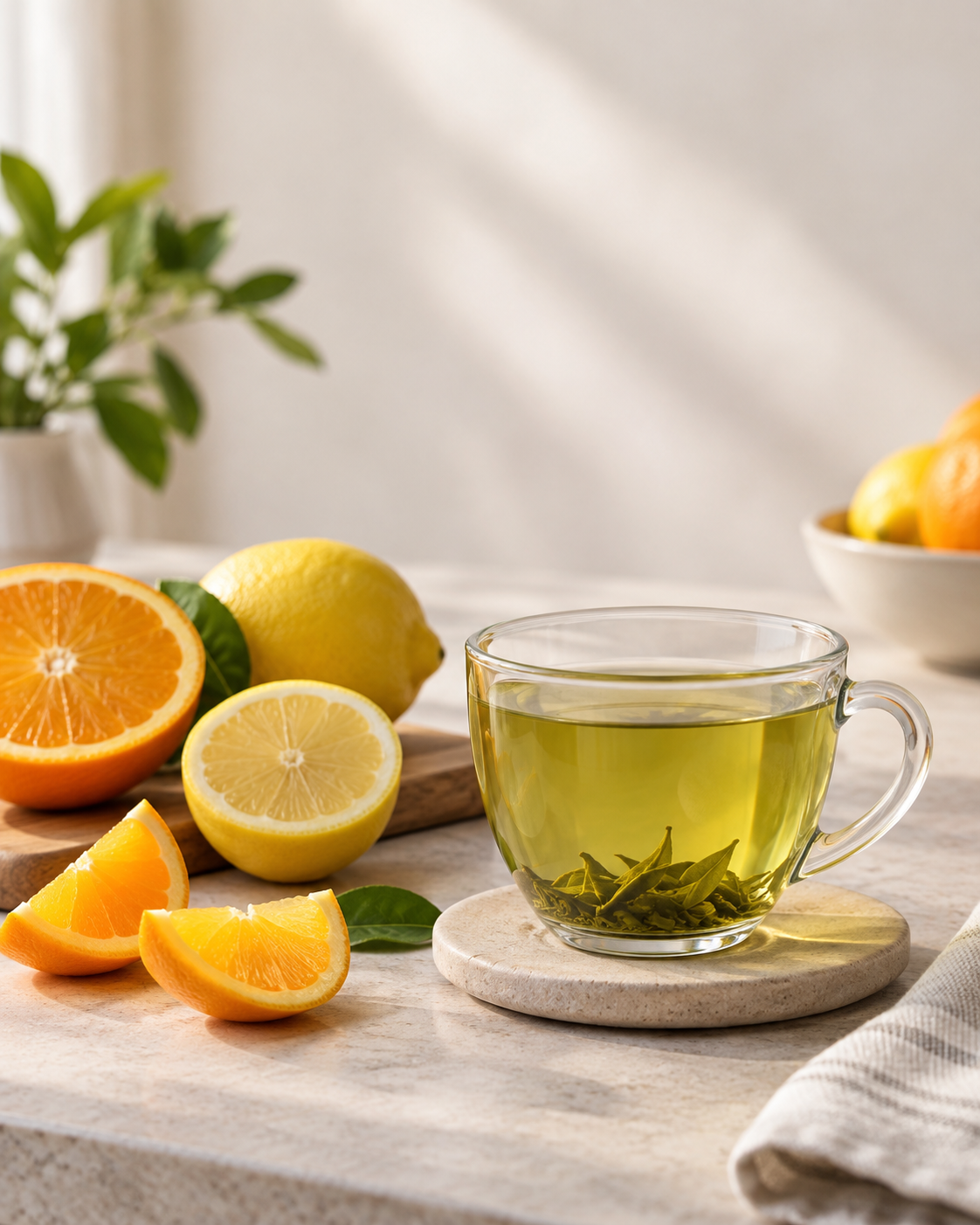
Green Tea + Citrus
"Does adding citrus make a 'healthy' drink scientifically stronger?"
Catechins (notably EGCG) are unstable in alkaline intestinal environments. Vitamin C and mild acidity from citrus improve catechin stability in gastric simulation models.
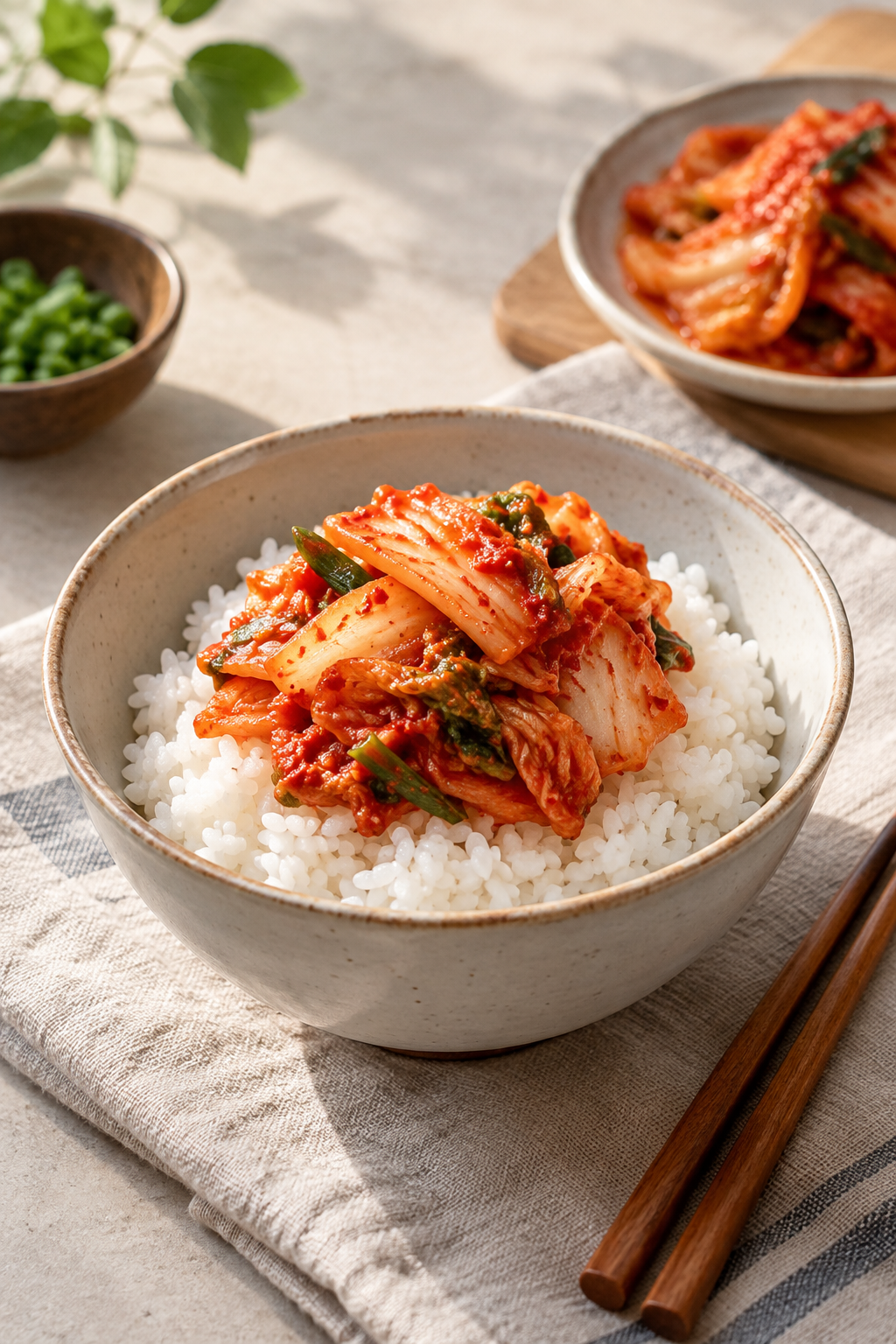
Kimchi + Rice
"What can a traditional plate teach us—and what can it not prove?"
Lactic acid fermentation alters vegetable phytochemistry and microbial activity. Eaten with rice, it provides cultural context and flavor without needing exaggerated detox promises.
Download the Complete Blood Sugar & Food Pairings Handbook
Includes all 4 food combinations, postprandial glucose curves, human crossover trials, and 15 PubMed citations in an 11-page printable PDF.
✓ 100% free. Instant download link.