SOMATIC SLEEP NEUROSCIENCE
The 4-7-8 Breathing Technique for Nighttime Anxiety: How It Activates the Vagal Brake for Deep Sleep
Learn how the 4-7-8 breathing sequence triggers the parasympathetic vagal brake, slows racing heart rates, and stops bedtime anxiety naturally.
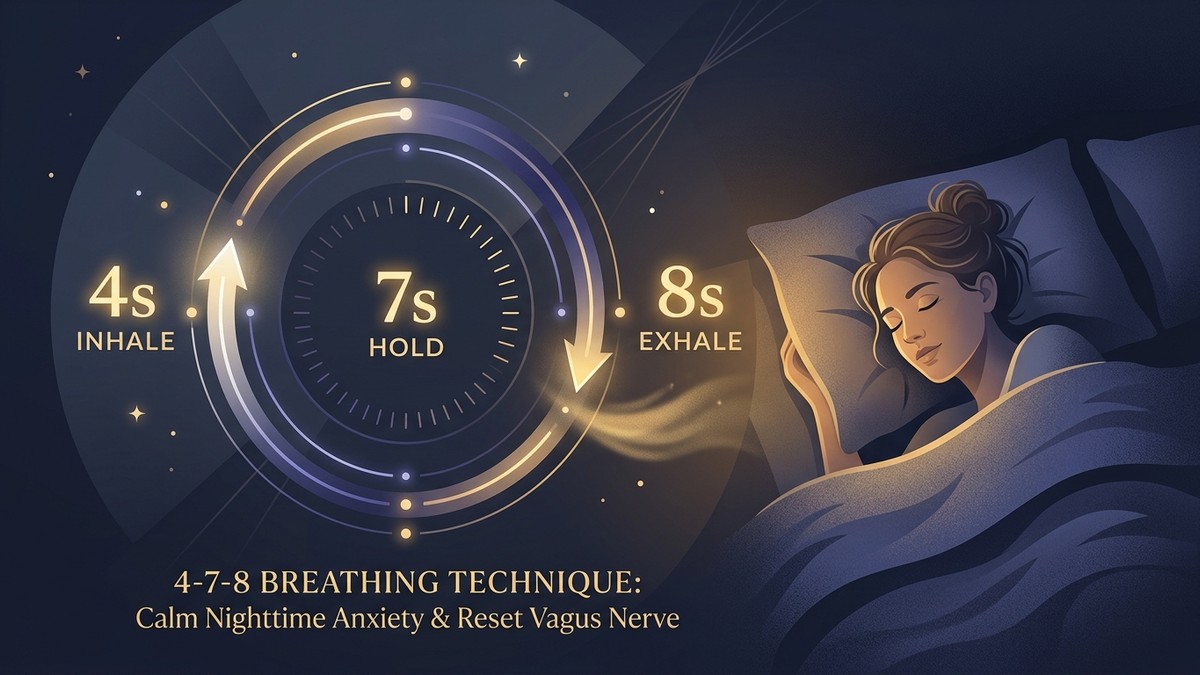
An extended 8-second exhalation triggers the vagus nerve to release acetylcholine, naturally braking nighttime heart palpitations and anxiety.
The Midnight Hyperarousal Paradox: Why Your Brain Won't Power Down
You climb into bed physically exhausted, yet the moment your head touches the pillow, your heart rate accelerates and your thoughts begin cascading. This phenomenon is known clinically as nocturnal autonomic hyperarousal. During the day, constant sensory input keeps your sympathetic nervous system partially occupied. When external stimuli vanish at bedtime, the amygdala misinterprets the sudden quiet as an alert state if underlying baseline cortisol remains elevated.
Trying to 'force' yourself to sleep through willpower alone actively reinforces the threat response. The prefrontal cortex cannot simply switch off an adrenaline surge. To break the midnight thought loop, you must bypass verbal reasoning entirely and speak directly to your autonomic nervous system through respiration biomechanics.
- Elevated nocturnal resting heart rate (>65 bpm at rest)
- Somatic muscle tension localized in the jaw, shoulders, and solar plexus
- Catastrophizing about tomorrow's fatigue ('If I don't sleep now, tomorrow is ruined')
The Physiological Mechanism: Activating the Parasympathetic Vagal Brake
Developed originally by Dr. Andrew Weil and grounded in ancient pranayama physiology, the 4-7-8 rhythm leverages respiratory sinus arrhythmia (RSA). When you inhale for 4 seconds, your heart rate naturally rises slightly. When you hold your breath for 7 seconds, blood oxygen saturates while intrathoracic pressure stabilizes the baroreceptors in your carotid sinus. Crucially, the extended 8-second exhalation triggers the vagus nerve to release acetylcholine directly onto the sinoatrial node.
Acetylcholine acts as the body's natural chemical brake pedal. It immediately reduces stroke volume, lowers peripheral vascular resistance, and signals to the limbic system that physical safety has been restored. Within 3 to 4 sequential cycles, heart rate variability (HRV) increases significantly, moving your brain waves from high-frequency beta rhythms into receptive alpha and theta states.
Step-by-Step Clinical Protocol: How to Perform 4-7-8 in Bed
Follow this structured routine while lying flat on your back or in a comfortable side-sleeping position with your spine in neutral alignment:
- Step 1 — Position: Place the tip of your tongue gently against the ridge of tissue just behind your upper front teeth. Keep it there throughout the exercise.
- Step 2 — Clear Breath: Exhale completely through your mouth around your tongue, making a soft 'whoosh' sound.
- Step 3 — Inhale (Count to 4): Close your mouth and inhale quietly through your nose for a mental count of four.
- Step 4 — Retain (Count to 7): Hold your breath gently without straining your throat for a count of seven.
- Step 5 — Exhale (Count to 8): Exhale audibly through your mouth for a full eight counts, expelling all residual air.
- Repeat for a maximum of 4 consecutive cycles when first beginning. Over 2 to 3 weeks of nightly practice, you can advance to 8 cycles.
Integrating Somatic Grounding with the Botly Sleep Ecosystem
While breathing provides rapid acute relief, chronic nocturnal awakenings often stem from underlying circadian misalignments, evening blue-light exposure, or nighttime blood sugar fluctuations. Addressing root causes requires a holistic personalized protocol.
To uncover your exact sleep archetype and identify specific biological friction points, take our free 2-minute diagnostic tool: [The Botly Insomnia & Sleep Archetype Quiz](https://www.botly.vn/quiz-insomnia). Over 12,000 sleepers have used this clinical evaluation to personalize their evening wind-down window.
If you prefer real-time sensory pacing, the [Botly Night Companion App](https://www.botly.vn/app) features an interactive visual and haptic breath pacer alongside circadian brown-noise soundscapes designed specifically to quiet bedtime thought loops without cognitive effort.
Medical Disclaimer: This guide is provided for educational and informational purposes only. It is not intended as medical advice or a substitute for professional clinical diagnosis, treatment, or medical supervision. Always consult a qualified physician or healthcare provider regarding persistent sleep disturbances, cardiovascular conditions, or respiratory disorders.
Frequently Asked Questions
Sources
Harvard Health Publishing — Relaxation techniques: Breath control helps quell errant stress response ↗PubMed / Frontiers in Human Neuroscience — How Breath-Control Can Change Your Life: A Systematic Review on Psycho-Physiological Correlates of Slow Breathing ↗Sleep Medicine Reviews — Autonomic nervous system function in insomnia disorder: A systematic review and meta-analysis ↗Explore More Somatic & Bedtime Guides
Neuroscience validation, somatic resets, and gentle bedtime companions.

The Silent Echo: Healing When Hurt Leads to Avoidant Abandonment
An empathetic exploration into the deep ache of being left with unaddressed pain, and how to gently guide your nervous system back to internal safety.
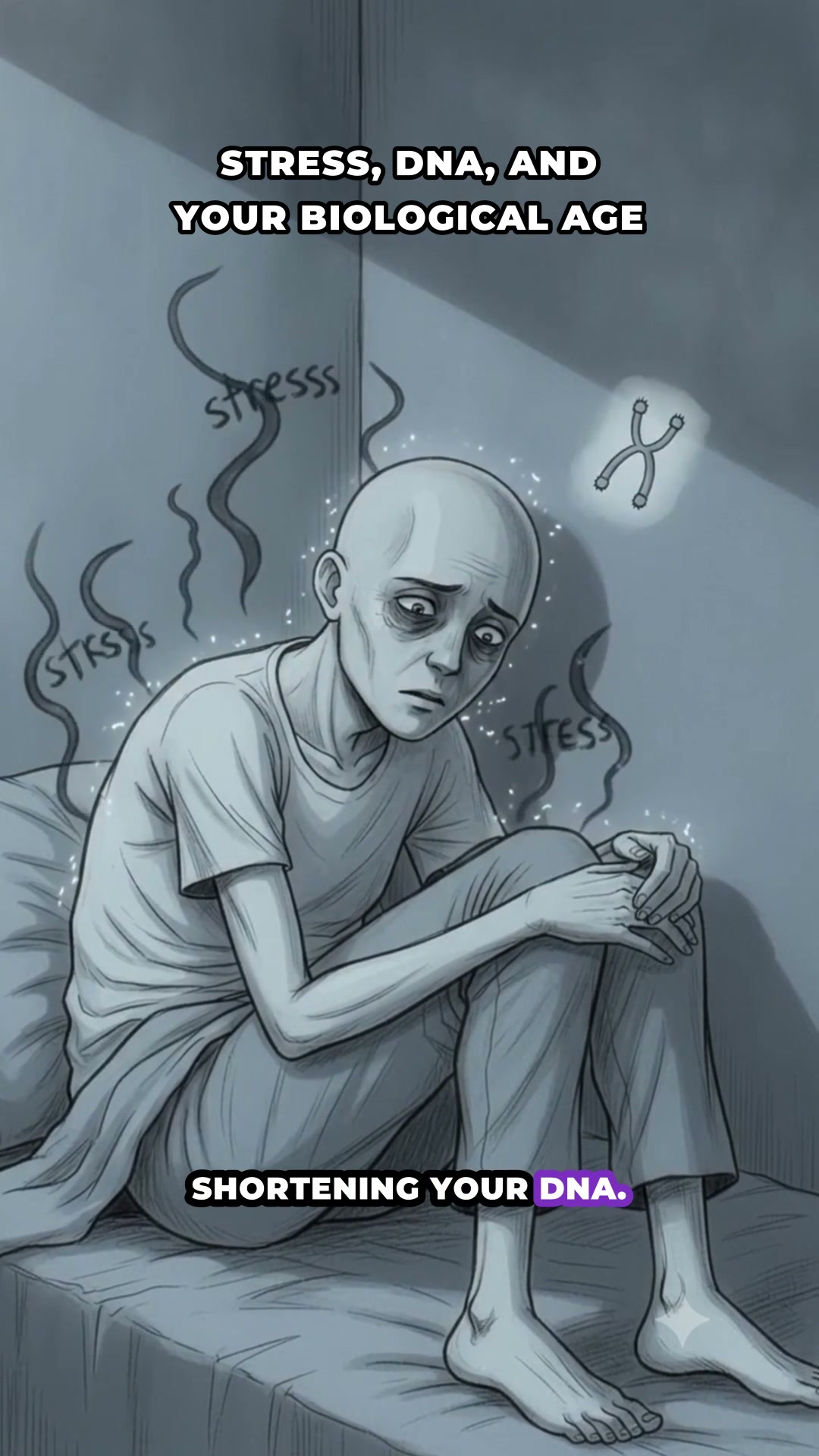
Stress is Shortening Your DNA: How Calm Can Rebuild It
Explore the profound science behind how chronic stress impacts your cellular health and how simple moments of calm can activate your body's natural repair mechanisms.
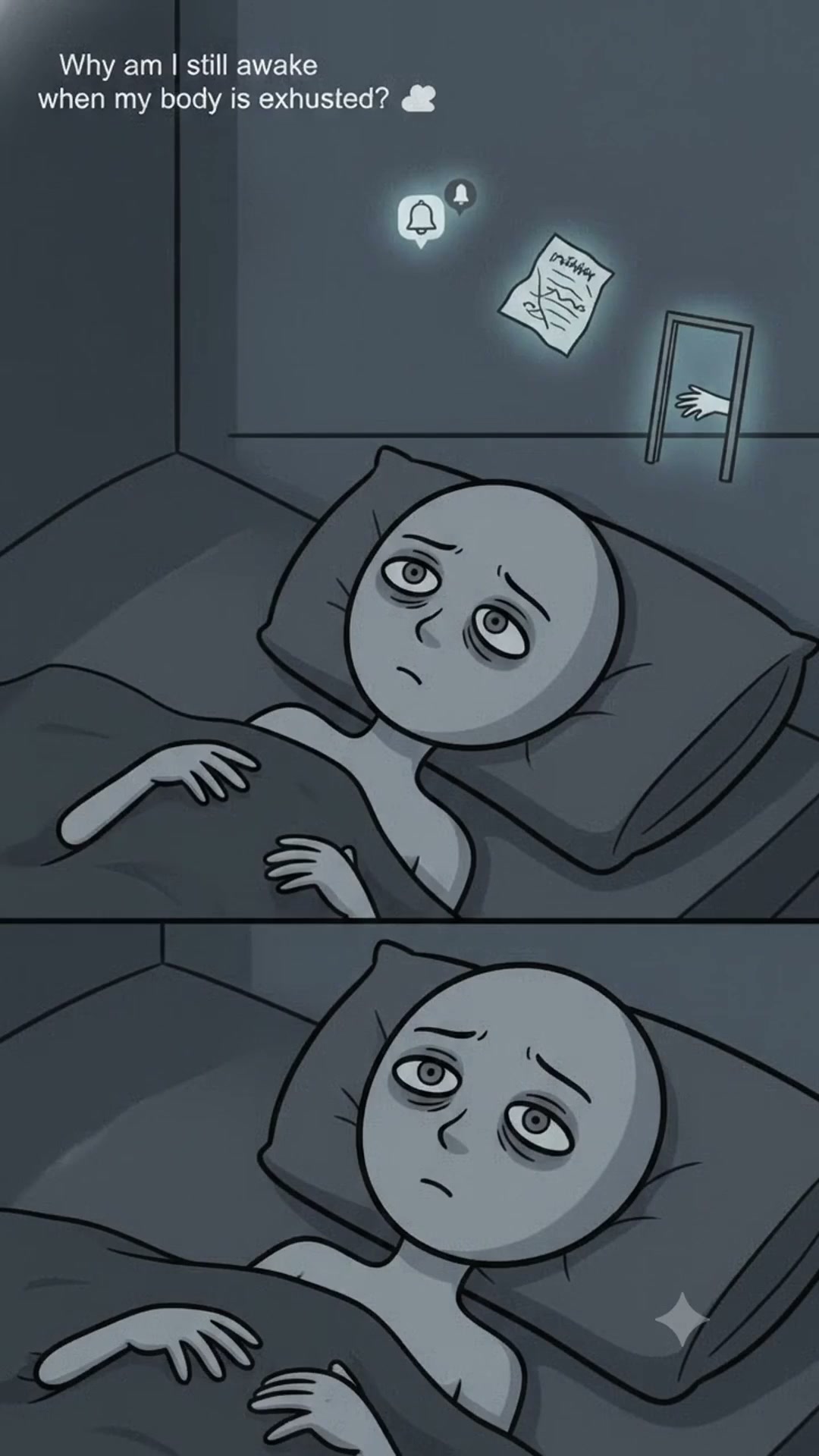
Exhausted Body, Active Mind: Navigating the Midnight Thought Loop
An empathetic guide to understanding why your mind keeps scanning when your body craves sleep, and how to gently invite rest.
When Silence Feels Too Loud: Finding Safety in the Stillness of Night
Explore why your mind craves ambient sound to feel safe enough to rest, and how to gently soothe the fear of midnight silence.

When Midnight Silence Amplifies Loneliness: Finding Gentle Company in the Quiet
An empathetic exploration into why the quiet of night can intensify feelings of isolation, and how your nervous system seeks gentle presence to feel safe enough to rest.
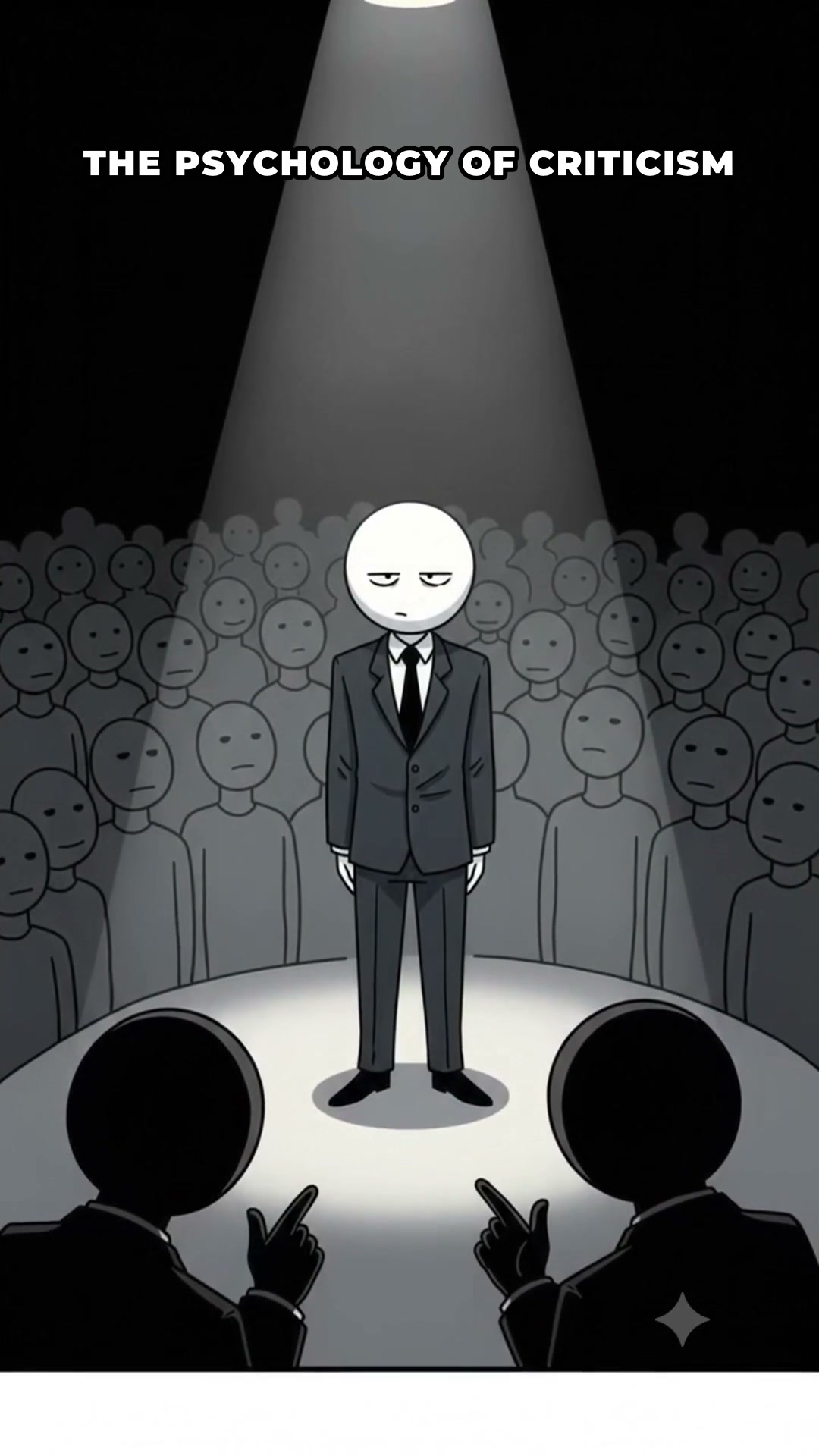
When Whispers Linger: Cultivating Unshakeable Inner Calm at Bedtime
An empathetic guide to finding your inner sanctuary and peace when the echoes of external judgment disrupt your rest.
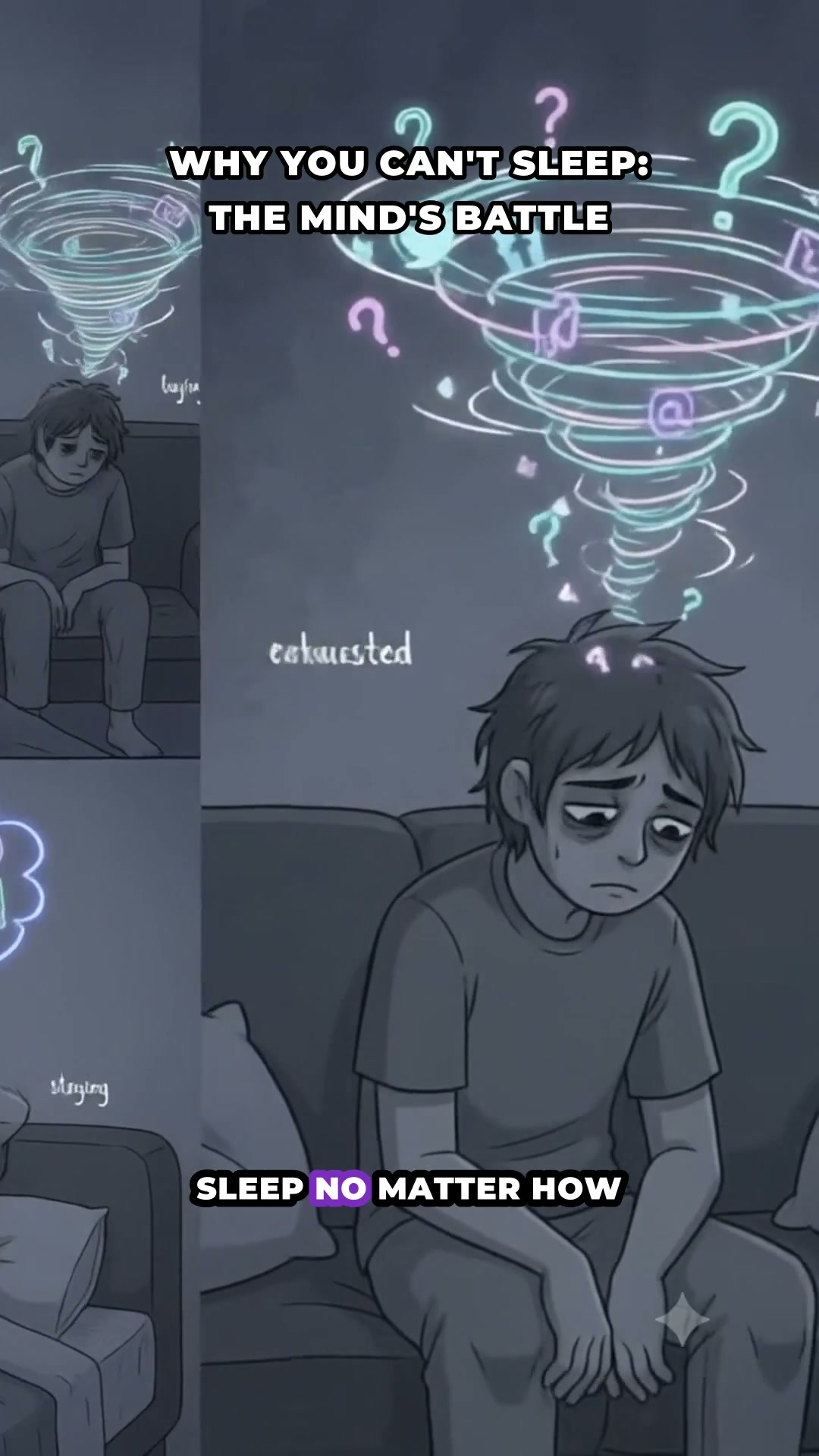
The Quiet Battle: Why Your Mind Stays Alert When Your Body Craves Rest
An empathetic exploration into why your mind enters survival mode at night, preventing rest even when exhausted, and how to gently invite safety back.

The Midnight Math Trap: Why Checking the Time Makes Sleep Harder
Explore the neuroscience behind why checking the clock at night transforms sleep into a stressful calculation, perpetuating wakefulness.

Why You Cannot Sleep Without Background Noise: The Neuroscience of Bedtime Safety
An evidence-based somatic exploration into why your brain seeks ambient sound to feel safe enough to rest.
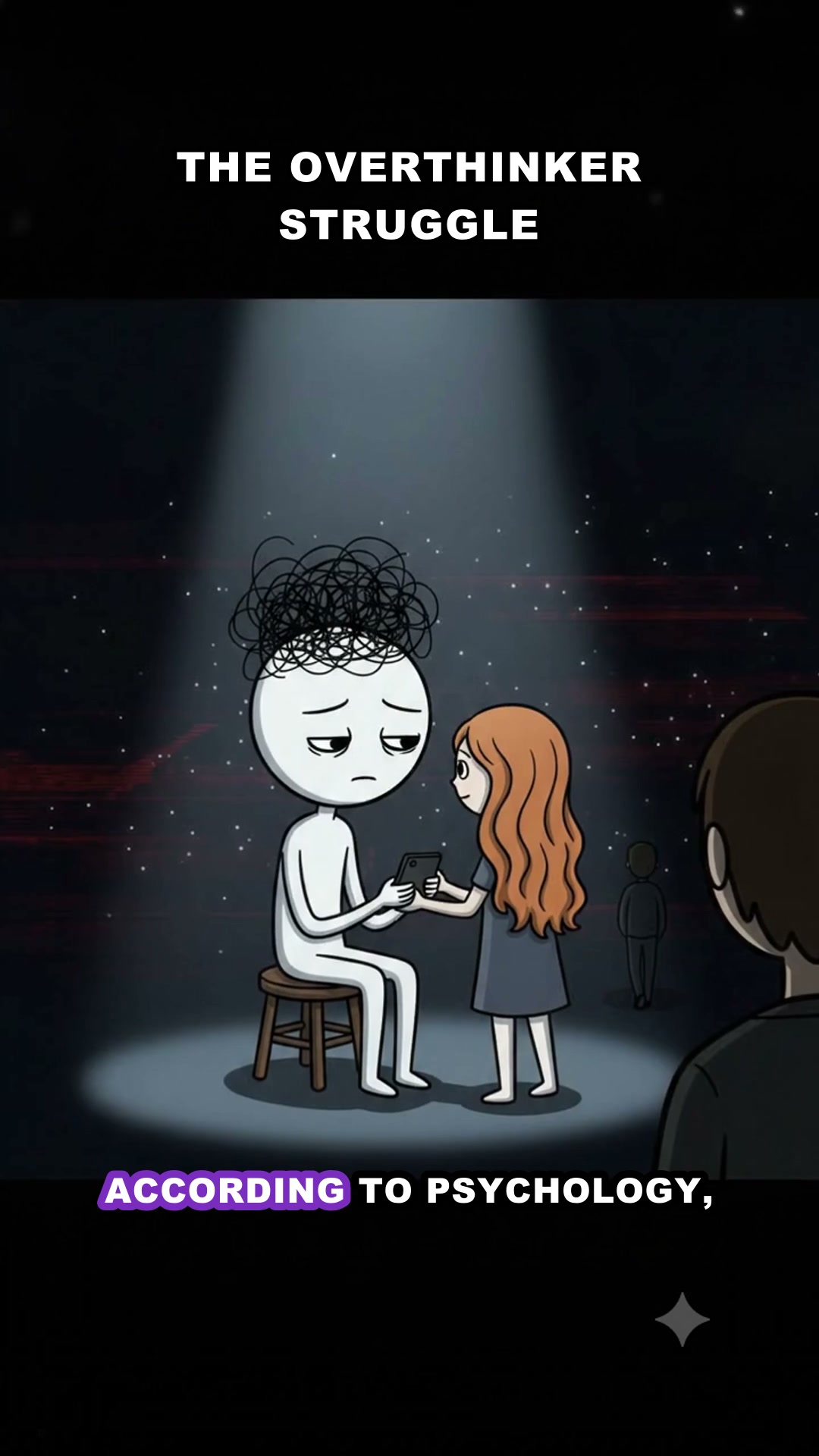
The Quiet Mind's Burden: Unmasking Hyper-vigilance for Rest
An empathetic exploration into how constant observation and intellectual masking can keep your nervous system on high alert, hindering peaceful sleep.