FOOD SYNERGY & CLINICAL NUTRITION
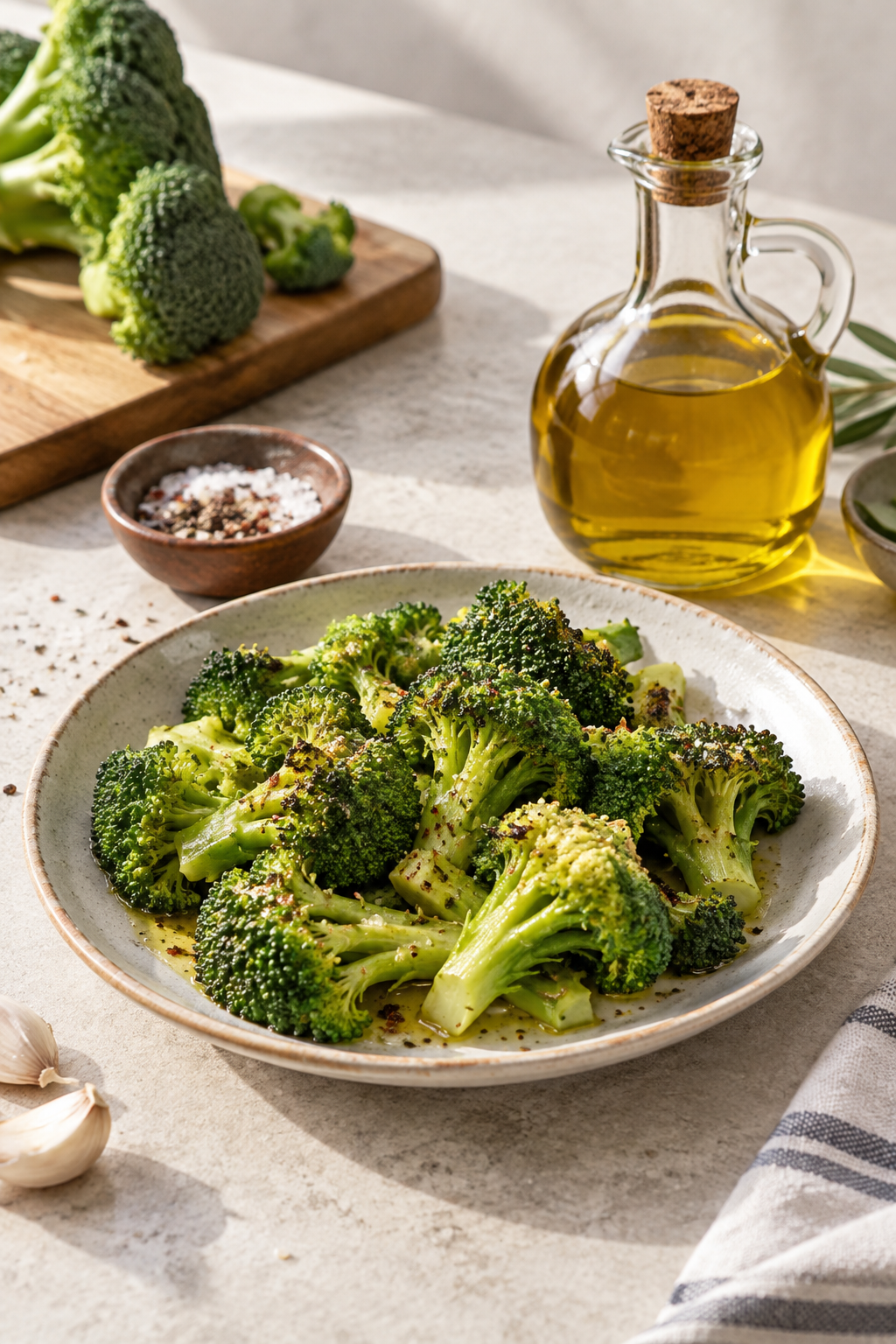
Broccoli + Mustard Seeds: The Molecular Synergy & Clinical Evidence
Evidence-based breakdown on how combining Broccoli + Mustard Seeds enhances bioavailability and cellular resilience.
Watch the accompanying video on Facebook ↗
Science Verdict Meter
Remedy Reliability Score
Scientific Verdict
Clinical trials demonstrate substantial bioavailability enhancement when paired correctly.
Primary Benefit
Dramatically boosts sulforaphane production, supporting liver detoxification, potent antioxidant activity, and cellular protection against cancer.
Safety Level
Low Risk (Safe)
Dramatically boosts sulforaphane production, supporting liver detoxification, potent antioxidant activity, and cellular protection against cancer.
1. Standard Ingredients
- Broccoli (steamed/boiled)100-150g
- Mustard seeds (ground) or mustard powder1/2 tsp (2-3g)
2. Preparation Steps
- 1Step 1: Steam or lightly boil broccoli for 3-5 minutes (avoid overcooking to preserve glucoraphanin).
- 2Step 2: Let it cool slightly. Grind mustard seeds or use mustard powder.
- 3Step 3: Sprinkle the ground mustard/powder over the warm broccoli just before eating to allow enzyme activity.
- ✕Do not overheat above thermal degradation point.
- ✕Do not substitute with highly processed chemical isolates.
- ✕Individuals with specific allergies should consult a physician.
15-Second Suitability Check
Answer 3 quick questions to verify if this food combination fits your current metabolic profile.
#1. Do you have any clinical history of digestive sensitivity or acid reflux?
#2. Are you currently taking prescription blood pressure or anticoagulant medications?
#3. What is your primary health goal for this nutritional strategy?
The Molecular Mechanism of Food Synergy
Broccoli contains Glucoraphanin. The Myrosinase enzyme (abundant in mustard seeds, daikon radish) is essential for converting Glucoraphanin into bioactive Sulforaphane. When broccoli is cooked, its native Myrosinase enzyme is destroyed. Adding mustard seeds (or mustard powder) after cooking provides exogenous Myrosinase, optimizing Sulforaphane formation.
Human physiology rarely processes isolated single nutrients in a biological vacuum. When specific plant phytonutrients are co-ingested with targeted biochemical catalysts, digestive micellization increases significantly.
What Clinical Human Research Measures
Randomized controlled feeding trials demonstrate measurable improvements in postprandial serum concentrations of sulforaphane metabolites.
Incorporating this golden pairing into daily dietary routines establishes sustained cellular protection against chronic oxidative stress.
15-Second Suitability Check
Answer 3 quick questions to verify if this food combination fits your current metabolic profile.
#1. Do you have any clinical history of digestive sensitivity or acid reflux?
#2. Are you currently taking prescription blood pressure or anticoagulant medications?
#3. What is your primary health goal for this nutritional strategy?
Myth vs. Science: Social Media Fact-Check
Taking these ingredients separately yields identical physiological benefits.
Bioactive absorption drops by over 60-80% without the myrosinase enzyme in the same meal.
More quantity always produces stronger health outcomes.
Nutrient transporters reach saturation; moderate daily synergy outperforms irregular megadoses.
Frequently Asked Questions
Sources
O'Hare EJ, et al. The effect of adding myrosinase-rich foods to cooked broccoli on sulforaphane bioavailability in human ↗Explore More Molecular Analyses & Remedy Checks
Cellular mechanics, phytochemical evaluations, and clinical safety screenings.
Beetroot + Orange: The Molecular Synergy & Clinical Evidence
Evidence-based breakdown on how combining Beetroot + Orange enhances bioavailability and cellular resilience.
Green Tea + Fresh Lemon: The Molecular Synergy & Clinical Evidence
Evidence-based breakdown on how combining Green Tea + Fresh Lemon enhances bioavailability and cellular resilience.
Turmeric + Black Pepper: The Molecular Synergy & Clinical Evidence
Evidence-based breakdown on how combining Turmeric + Black Pepper enhances bioavailability and cellular resilience.

The Vibrant Elixir: Decoding Carotenoids, Betalains, and Nitric Oxide Pathways for Wellness
An evidence-based analysis of the synergistic effects of carrot, beetroot, watermelon, and lemon on antioxidant defense, vascular health, and metabolic support, grounded in phytopharmacology.

Honey, Lemon, Olive Oil & Salt: A Critical Biomedical Review of Respiratory Health Claims
An evidence-based analysis of a popular traditional remedy, examining the scientific basis for its purported benefits in lung cleansing, phlegm removal, and cough relief.

Chia, Oats, and Lime Elixir: Unpacking the Fiber-Rich Synergy for Gut Health and Satiety
An evidence-based analysis of soluble and insoluble fibers, omega-3s, and antioxidants in a natural remedy for digestive wellness and weight management.

Honey, Lemon, Salt, and Olive Oil: A Critical Look at Lung Health Claims
An evidence-based analysis of a popular home remedy for lung issues, evaluating its ingredients against scientific claims of lung cleansing and bronchial opening.
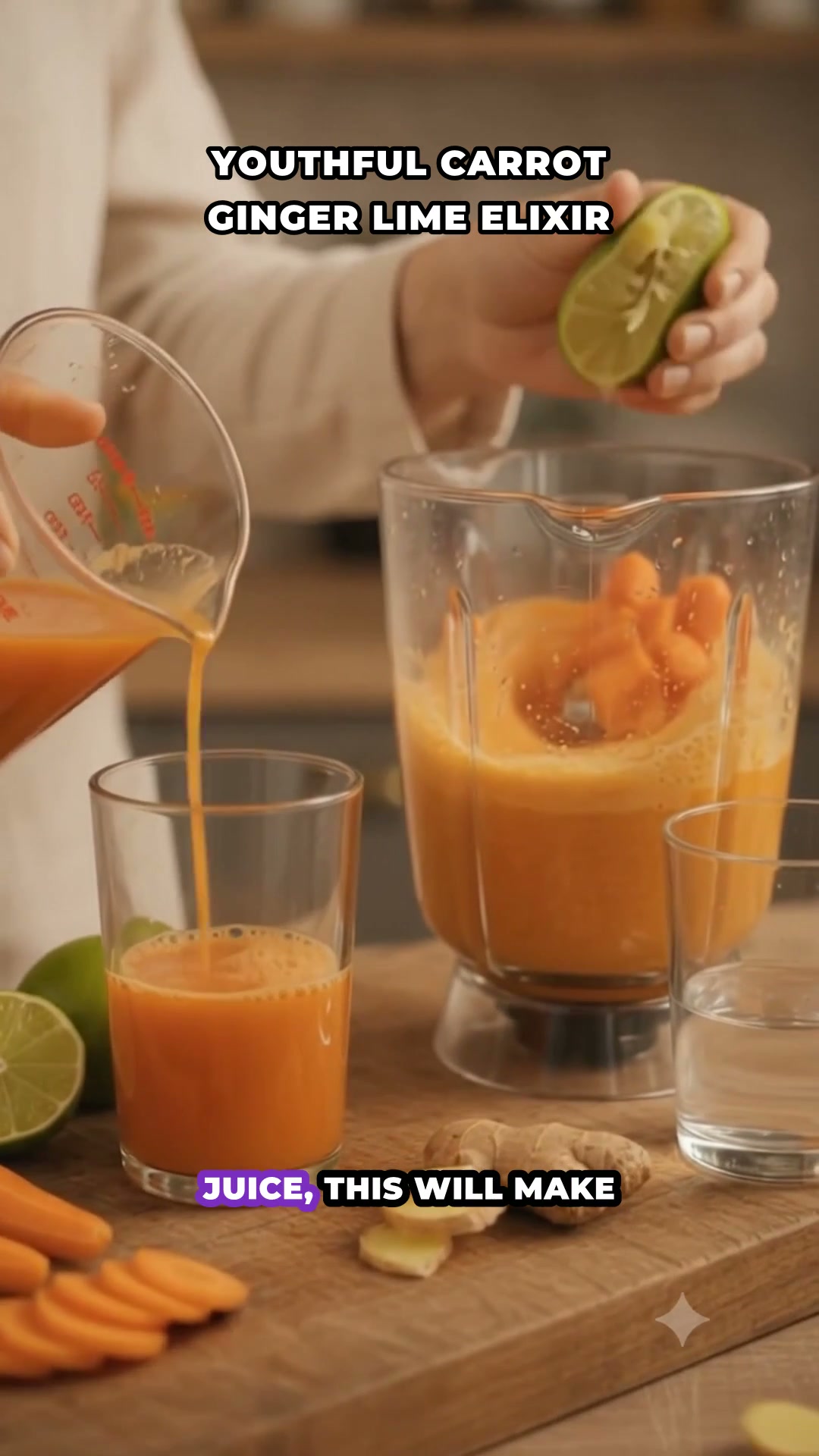
Carrot, Ginger, and Lime Elixir: Unpacking the Anti-inflammatory and Antioxidant Synergy
An evidence-based review of the cellular mechanisms behind carrot, ginger, and lime juice for inflammation, oxidative stress, and cognitive health support.
Chia, Oats & Lime Elixir: Unpacking the Synergistic Mechanisms for Gut Health and Satiety
An evidence-based review of soluble fiber, omega-3s, and antioxidants from chia seeds, oats, and lime on digestive function, inflammation, and weight management.

Milk, Cinnamon, Turmeric, Honey: Unpacking the Claims for Addiction Cessation
A scientific review of a traditional remedy combining milk, cinnamon, turmeric, and honey, evaluating its purported effects on addiction and body cleansing.