BIOMEDICAL & CLINICAL PHARMACOLOGY
Milk, Cinnamon, Turmeric, Honey: Unpacking the Claims for Addiction Cessation
A scientific review of a traditional remedy combining milk, cinnamon, turmeric, and honey, evaluating its purported effects on addiction and body cleansing.
Science Verdict Meter
Remedy Reliability Score
Scientific Verdict
Claims regarding direct addiction cessation are unsubstantiated by current scientific evidence. Ingredients offer general antioxidant and anti-inflammatory support.
Primary Benefit
Provides general antioxidant and anti-inflammatory compounds; may support overall wellness.
Safety Level
Low Risk (Safe)
While ingredients offer general wellness benefits, there is no scientific evidence that this specific concoction can cure or significantly reduce the urge for alcohol or nicotine addiction.
1. Standard Ingredients
- Milk1 cup
- Cinnamon sticks2
- Turmeric powder1/2 tsp
- Honey1 spoonful
2. Preparation Steps
- 1Step 1: Heat a cup of milk in a pot over medium heat.
- 2Step 2: Add two cinnamon sticks and 1/2 teaspoon of turmeric powder to the warm milk.
- 3Step 3: Simmer gently for 2-3 minutes, then remove from heat. Strain if using sticks/fresh turmeric.
- 4Step 4: Stir in a spoonful of honey until dissolved. Serve warm.
- ✕Do not rely on this drink as a primary treatment for alcohol or nicotine addiction.
- ✕Individuals with allergies to milk, cinnamon, turmeric, or honey should avoid consumption.
- ✕Consult a healthcare professional before use, especially if on medication or managing chronic conditions.
Check Your Suitability & Understanding
Answer 3 quick questions (15 seconds) to confirm suitability and awareness.
#1. Are you or the individual consuming this drink currently seeking professional treatment for alcohol or nicotine addiction?
#2. Do you have any known allergies to dairy, cinnamon, turmeric, or honey?
#3. Are you currently taking anticoagulant medications (blood thinners) or have a history of gallstones?
1. The Science Behind the Ingredients: General Wellness vs. Addiction Claims
The ingredients in this remedy—milk, cinnamon, turmeric, and honey—are individually recognized for various general health benefits. Milk provides essential nutrients like protein and calcium. Cinnamon and turmeric are rich in bioactive compounds such as cinnamaldehyde and curcumin, respectively, which exhibit antioxidant and anti-inflammatory properties that can support overall cellular health.
However, it is crucial to understand that while these ingredients contribute to general wellness, there is no scientific evidence from rigorous clinical trials to support their direct efficacy in curing or significantly reducing the urge for alcohol or nicotine addiction. Addiction is a complex neurobiological disease, not merely a 'bad habit' that can be resolved by dietary changes alone.

2. Addiction: A Complex Neurobiological Challenge Requiring Professional Care
Addiction is characterized by compulsive drug-seeking and use, despite harmful consequences, driven by profound changes in brain circuitry, particularly in areas related to reward, motivation, memory, and impulse control. It is influenced by a complex interplay of genetic, psychological, and environmental factors, making it a chronic, relapsing brain disease.
Relying on unproven home remedies for addiction can be dangerous as it may delay or prevent individuals from seeking evidence-based medical and psychological treatments that are proven to be effective. Comprehensive addiction treatment typically involves behavioral therapies, medication-assisted treatment, and support groups, tailored to the individual's specific needs.
- Addiction is a chronic brain disease, not a simple lack of willpower, requiring specialized care.
- Effective treatment involves a multi-faceted approach, including medical, psychological, and behavioral therapies.
- Unsubstantiated remedies can delay critical professional intervention, potentially worsening health outcomes.
Check Your Suitability & Understanding
Answer 3 quick questions (15 seconds) to confirm suitability and awareness.
#1. Are you or the individual consuming this drink currently seeking professional treatment for alcohol or nicotine addiction?
#2. Do you have any known allergies to dairy, cinnamon, turmeric, or honey?
#3. Are you currently taking anticoagulant medications (blood thinners) or have a history of gallstones?
Myth vs. Science: Social Media Fact-Check
This drink can quickly make someone quit alcohol or cigarettes by purifying blood and cleansing the body.
Addiction is a complex neurobiological disorder requiring comprehensive medical, psychological, and behavioral interventions. While ingredients like turmeric and cinnamon possess antioxidant properties, they do not directly 'purify blood' to cure addiction or eliminate cravings.
Natural remedies like this are safer and more effective than conventional medical treatments for addiction.
Natural remedies can complement a holistic wellness approach but are not substitutes for evidence-based medical treatment for addiction. Delaying professional help can have severe health consequences and worsen outcomes.
Frequently Asked Questions
Sources
National Institute on Drug Abuse (NIDA): Drugs, Brains, and Behavior: The Science of Addiction ↗NCBI / PubMed: Curcumin: A Review of Its Effects on Human Health ↗NCBI / PubMed: Cinnamon: A Multifaceted Medicinal Plant ↗Explore More Molecular Analyses & Remedy Checks
Cellular mechanics, phytochemical evaluations, and clinical safety screenings.

Chia, Oats & Lime Elixir: Unpacking the Synergistic Mechanisms for Gut Health and Satiety
This blend offers significant dietary fiber and anti-inflammatory compounds, promoting gut regularity and satiety, but requires mindful consumption and adequate hydration.

The Phytochemical Synergy: Carrot, Lemon, Apple, and Ginger Smoothie for Metabolic and Dermatological Health
This smoothie provides a rich source of antioxidants, fiber, and anti-inflammatory compounds that support digestive regularity, skin health, and contribute to cholesterol management.

Phytocompound Synergy: Unpacking the Anti-Inflammatory & Mucolytic Actions of Onion, Lemon, Ginger, Garlic, and Cinnamon for Respiratory Relief
This traditional blend offers symptomatic relief for respiratory discomfort through its anti-inflammatory, antimicrobial, and mucolytic properties, but requires careful consideration of contraindications.
Coffee & Spice Infusions: A Scientific Companion to Targeted Wellness
Integrating specific spices into your coffee can leverage their bioactive compounds for enhanced physiological benefits, from blood sugar regulation to cognitive support and digestive comfort.
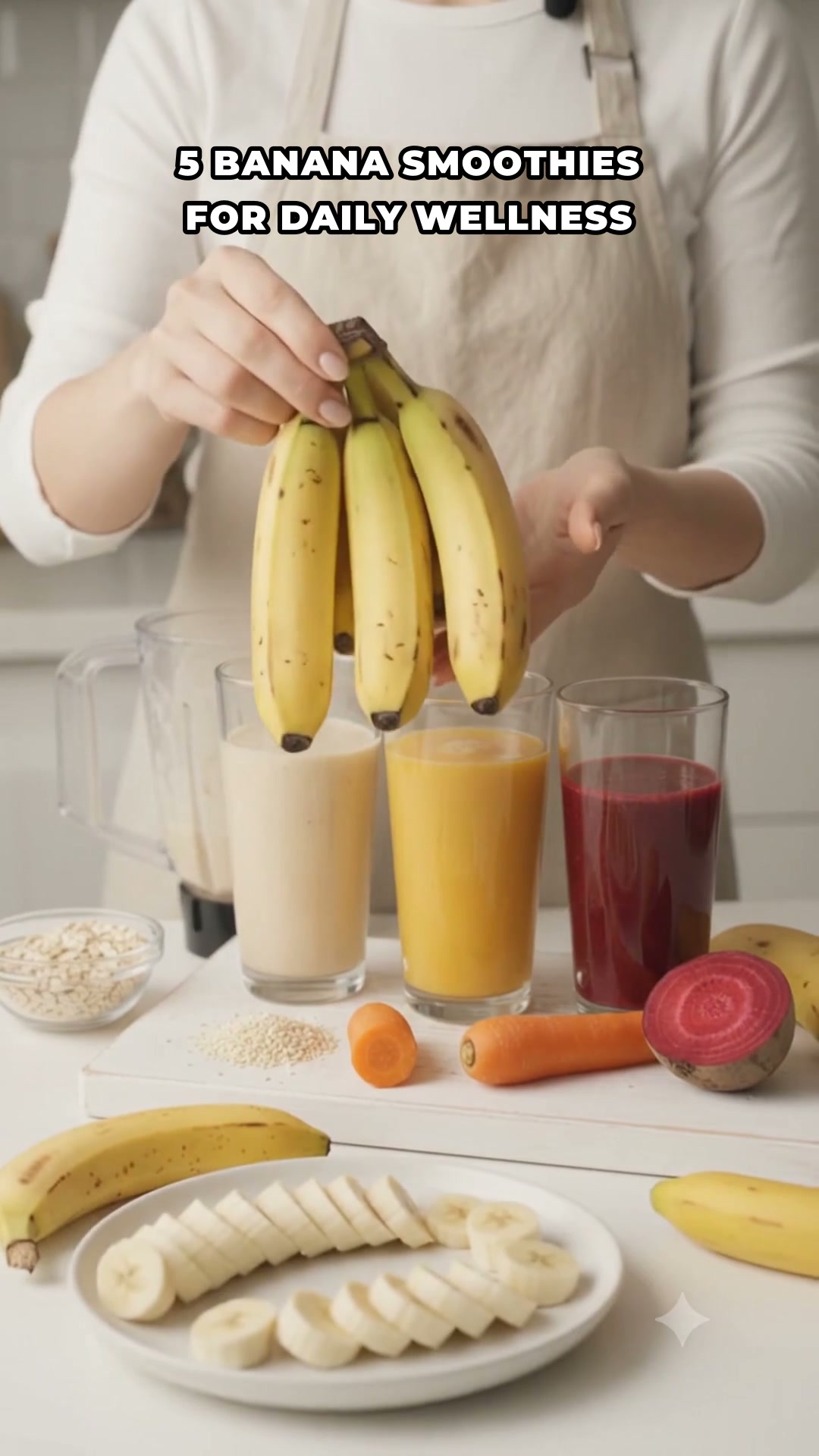
Gut Microbiome Modulation: The Synergistic Actions of Pectin, Fiber, and Actinidin from Apple, Chia, and Kiwi
This fiber-rich smoothie promotes healthy digestion and gut motility, but does not offer a 'colon flush' or cure chronic inflammation.
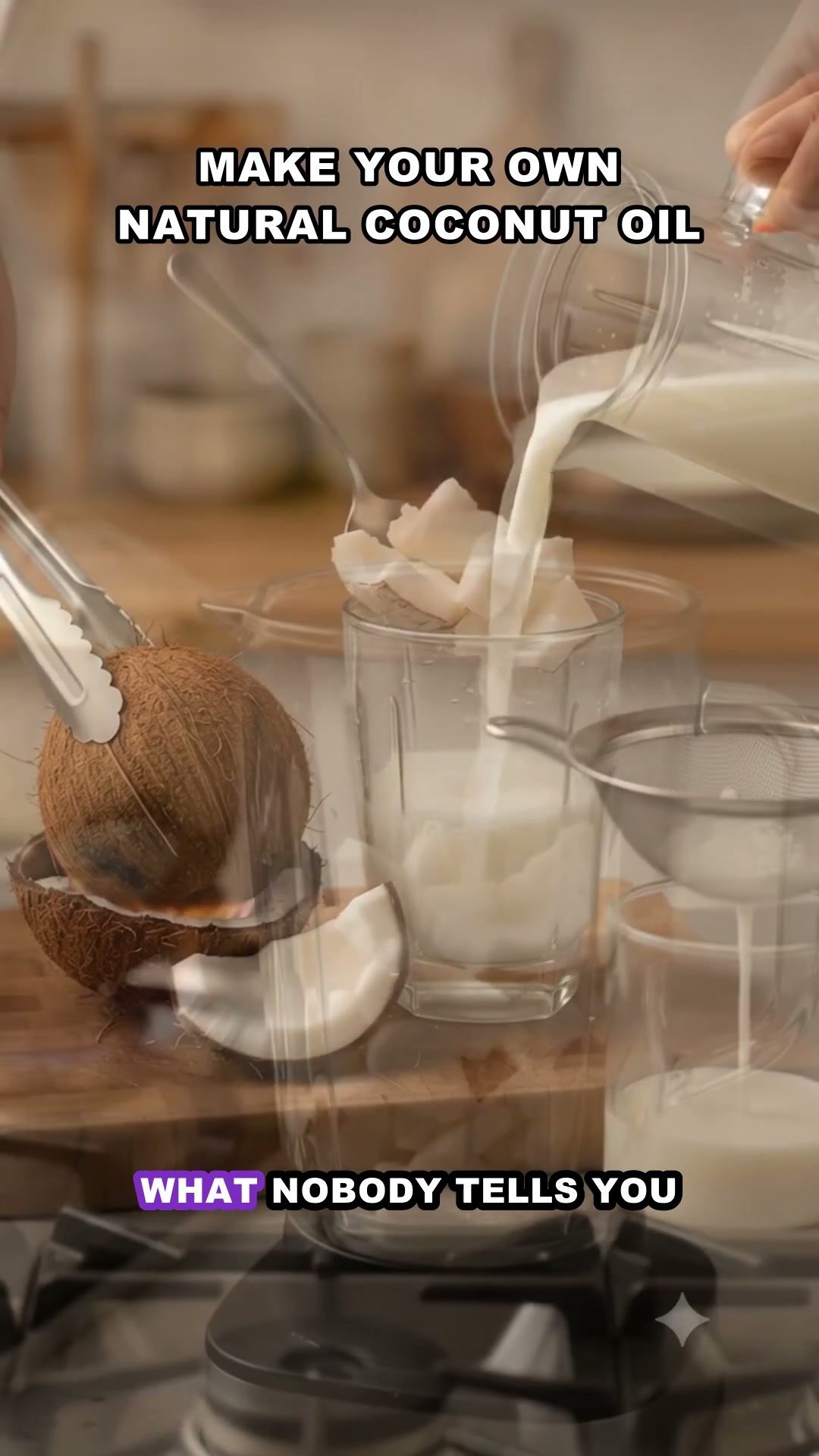
Homemade Coconut Oil: Unpacking the Phytochemistry of Medium-Chain Triglycerides
Homemade coconut oil provides a rich source of MCTs, particularly lauric acid, offering unique metabolic and antimicrobial properties, but requires mindful consumption due to its caloric density.

Synergistic Health Benefits of Spiced Coffee: A Biomedical Perspective
Incorporating specific spices into coffee can leverage their bioactive compounds to support blood sugar control, cognitive function, stress reduction, and metabolic health.
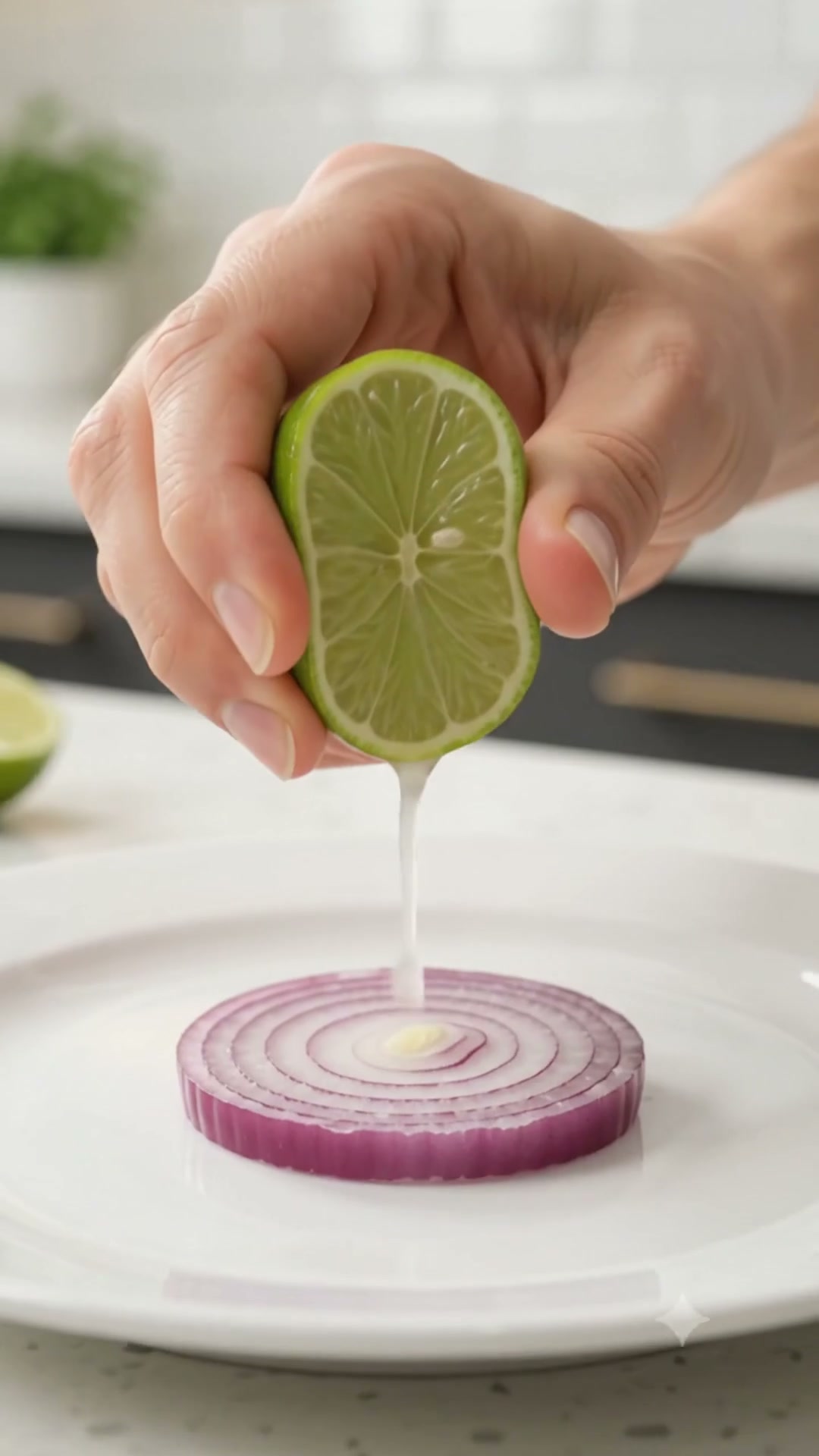
Homemade Cough Syrup: Unpacking the Science of Onion, Garlic, Lemon, and Honey
Onion, garlic, lemon, and honey offer a synergistic blend of compounds with potential benefits for soothing coughs and throat irritation.

Ginger, Calamansi, and Honey: Unpacking the Science of a Natural Wellness Elixir
This traditional blend offers synergistic anti-inflammatory, immune-supportive, and antimicrobial benefits, particularly for mild respiratory symptoms.

Turmeric: A Scientific Companion to Its Anti-inflammatory and Antioxidant Potentials
Turmeric, particularly its curcuminoids, offers potent anti-inflammatory and antioxidant benefits, with piperine significantly enhancing its systemic bioavailability.