CLINICAL NUTRITION & BIOCHEMISTRY
Unlocking Sulforaphane: The Broccoli-Mustard Seed Synergy for Cellular Vitality
An evidence-based exploration of how combining cooked broccoli with ground mustard seed powder dramatically boosts sulforaphane bioavailability and its profound health benefits.

Watch the accompanying video on Facebook ↗
Science Verdict Meter
Remedy Reliability Score
Scientific Verdict
Combining cooked broccoli with active myrosinase from raw mustard seed powder dramatically increases sulforaphane bioavailability.
Primary Benefit
Boosts sulforaphane yield by over 400%, supporting cellular detoxification, antioxidant defense, and metabolic balance.
Safety Level
Low Risk (Safe)
Combining cooked broccoli with raw ground mustard seed powder significantly enhances sulforaphane production and absorption by over 400%.
1. Standard Ingredients
- Lightly Steamed Broccoli Florets1 cup
- Raw Ground Mustard Seed Powder1/2 teaspoon
2. Preparation Steps
- 1Step 1: Lightly steam broccoli florets until tender-crisp to preserve its glucoraphanin content.
- 2Step 2: Immediately after cooking, sprinkle the raw ground mustard seed powder evenly over the warm broccoli.
- 3Step 3: Gently toss or mix to ensure even distribution, allowing the enzymatic reaction to occur before consumption.
- ✕Do not boil broccoli extensively; steaming or light sautéing is preferred to retain glucoraphanin.
- ✕Avoid using pre-prepared mustard condiments (e.g., Dijon, yellow mustard) as their myrosinase is typically inactivated by heat or processing.
- ✕Individuals with known mustard allergies should strictly avoid this combination to prevent allergic reactions.
Check Your Suitability for Sulforaphane Synergy
Answer 3 quick questions (15 seconds) to confirm suitability.
#1. Do you have a known allergy to mustard or any cruciferous vegetables (e.g., broccoli, cabbage)?
#2. Are you currently managing a thyroid condition, particularly hypothyroidism, or taking thyroid medications?
#3. Are you taking anticoagulant medications (e.g., Warfarin, Coumadin)?
1. Molecular Mechanisms & Cellular Health
Cooked broccoli contains glucoraphanin, a glucosinolate precursor, but its native myrosinase enzyme is largely inactivated by heat. This means that consuming cooked broccoli alone yields only a fraction of its potential sulforaphane, a potent bioactive compound.
The synergy occurs when raw ground mustard seed powder, rich in active myrosinase (thioglucosidase), is combined with cooked broccoli. Myrosinase acts as a catalyst, rapidly converting glucoraphanin into sulforaphane, dramatically increasing its bioavailability and delivering its benefits directly to your cells.
Sulforaphane is a powerful inducer of the Nrf2 (Nuclear factor erythroid 2-related factor 2) pathway, a master regulator of cellular defense against oxidative stress and inflammation. This activation leads to enhanced production of antioxidant enzymes and detoxification proteins, promoting cellular renewal and metabolic balance.
2. Scientific Evaluation & Practical Safety Guidance
Clinical studies and biochemical analyses confirm that adding active myrosinase from raw mustard powder can restore and boost sulforaphane synthesis in cooked broccoli by over 400%. This significantly elevates the therapeutic potential of broccoli, transforming it into a powerful medical food.
This enhanced sulforaphane yield contributes to deep vitality by supporting balanced metabolism and cellular renewal. Its anti-inflammatory and detoxifying properties are crucial for maintaining cellular integrity and protecting against various chronic diseases.
For optimal results, ensure the broccoli is lightly cooked (steamed or lightly sautéed) to preserve glucoraphanin, and the mustard seed powder is raw and freshly ground to guarantee active myrosinase. Integrate this simple yet powerful synergy into your daily diet for sustained cellular health benefits.
- Increases sulforaphane yield by over 400% compared to cooked broccoli alone.
- Activates the Nrf2 pathway, enhancing cellular antioxidant and detoxification systems.
- Supports balanced metabolism, reduces inflammation, and promotes cellular renewal.
- Simple and effective dietary strategy to maximize the health benefits of cruciferous vegetables.
Check Your Suitability for Sulforaphane Synergy
Answer 3 quick questions (15 seconds) to confirm suitability.
#1. Do you have a known allergy to mustard or any cruciferous vegetables (e.g., broccoli, cabbage)?
#2. Are you currently managing a thyroid condition, particularly hypothyroidism, or taking thyroid medications?
#3. Are you taking anticoagulant medications (e.g., Warfarin, Coumadin)?
Myth vs. Science: Social Media Fact-Check
Cooked broccoli loses all its health benefits, especially its sulforaphane potential.
While cooking inactivates broccoli's native myrosinase enzyme, its glucoraphanin precursor remains largely intact, ready for activation by an external myrosinase source like raw mustard powder.
Any type of mustard will work to boost sulforaphane from cooked broccoli.
Only raw, ground mustard seed powder contains active myrosinase enzyme. Prepared mustards are often heat-treated or processed, rendering their myrosinase inactive and ineffective for sulforaphane synthesis.
Frequently Asked Questions
Sources
NCBI / PubMed: Myrosinase-dependent formation of sulforaphane in broccoli ↗PubMed: Enhancing sulforaphane bioavailability from broccoli by co-ingestion with myrosinase-rich foods ↗NCBI / PubMed: Sulforaphane: A Potential Protective Phytochemical against Cancer ↗Explore More Molecular Analyses & Remedy Checks
Cellular mechanics, phytochemical evaluations, and clinical safety screenings.

Beetroot, Apple, Celery & Lime: A Phytochemical Deep Dive into Nitrates, Betalains, and Flavonoids
Evidence-based analysis of beetroot, apple, celery, and lime's synergistic compounds on vascular health, cellular detoxification, and nutrient absorption.

Steamed Beetroot & EVOO: Unlocking Vascular Nitric Oxide and Cellular Vitality
An evidence-based analysis of the synergistic benefits of steamed beetroot and extra virgin olive oil for enhanced nitric oxide bioavailability and antioxidant delivery.
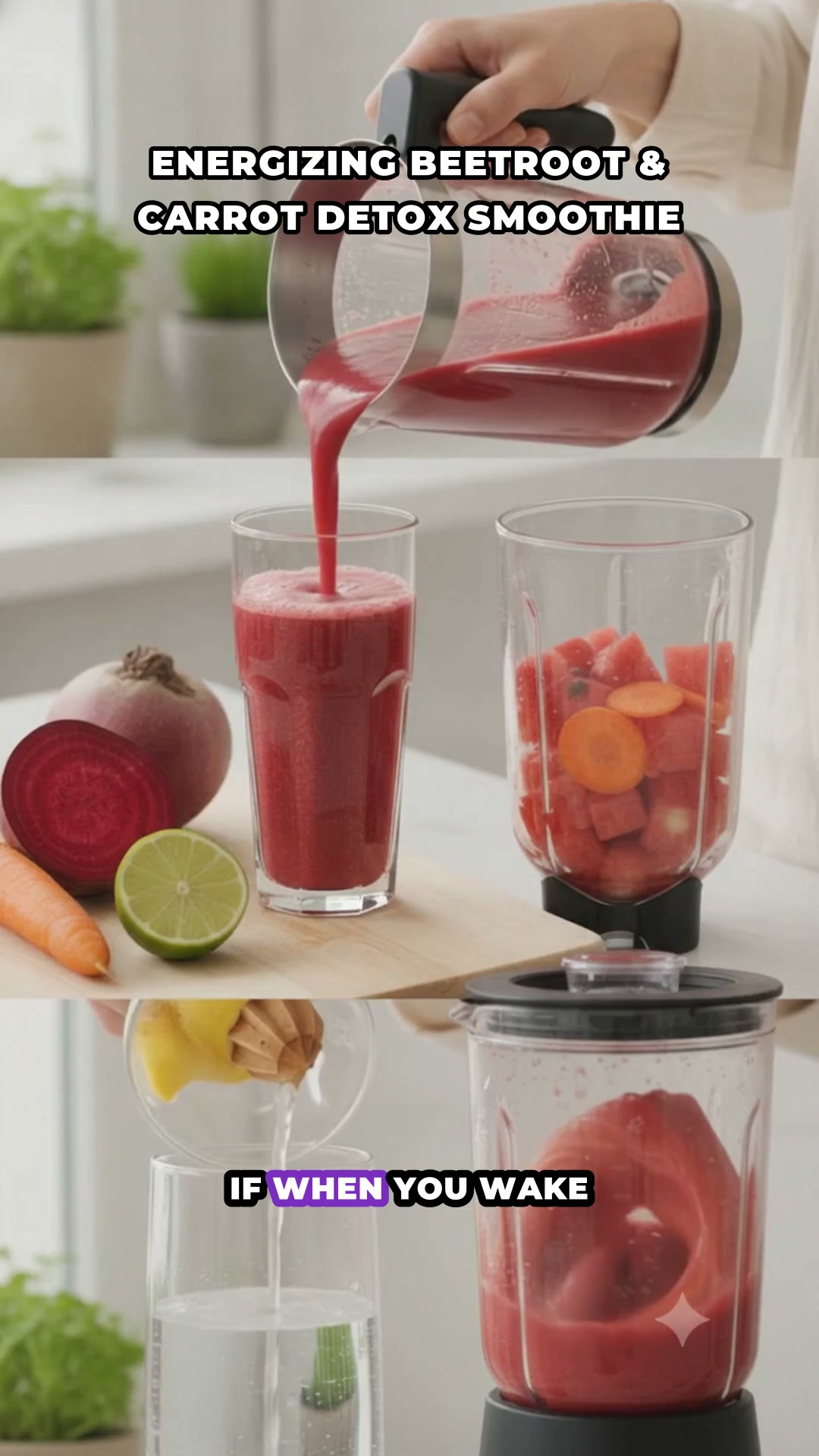
The Multicomponent Elixir: Unpacking the Phytochemical Synergy of Beetroot, Carrot, Watermelon, and Lemon
An evidence-based analysis of dietary nitrates, betalains, carotenoids, and citric acid on vascular health, hepatic support, and antioxidant defense.

Dark Roast Coffee & Fresh Citrus Zest: Unlocking Hepatic Nrf2 and Autophagy
An evidence-based analysis of the synergistic effects of dark roast coffee compounds and D-Limonene on liver health, Nrf2 gene upregulation, and cellular renewal.
Beetroot + Orange: The Molecular Synergy & Clinical Evidence
Evidence-based breakdown on how combining Beetroot + Orange enhances bioavailability and cellular resilience.
Green Tea + Fresh Lemon: The Molecular Synergy & Clinical Evidence
Evidence-based breakdown on how combining Green Tea + Fresh Lemon enhances bioavailability and cellular resilience.
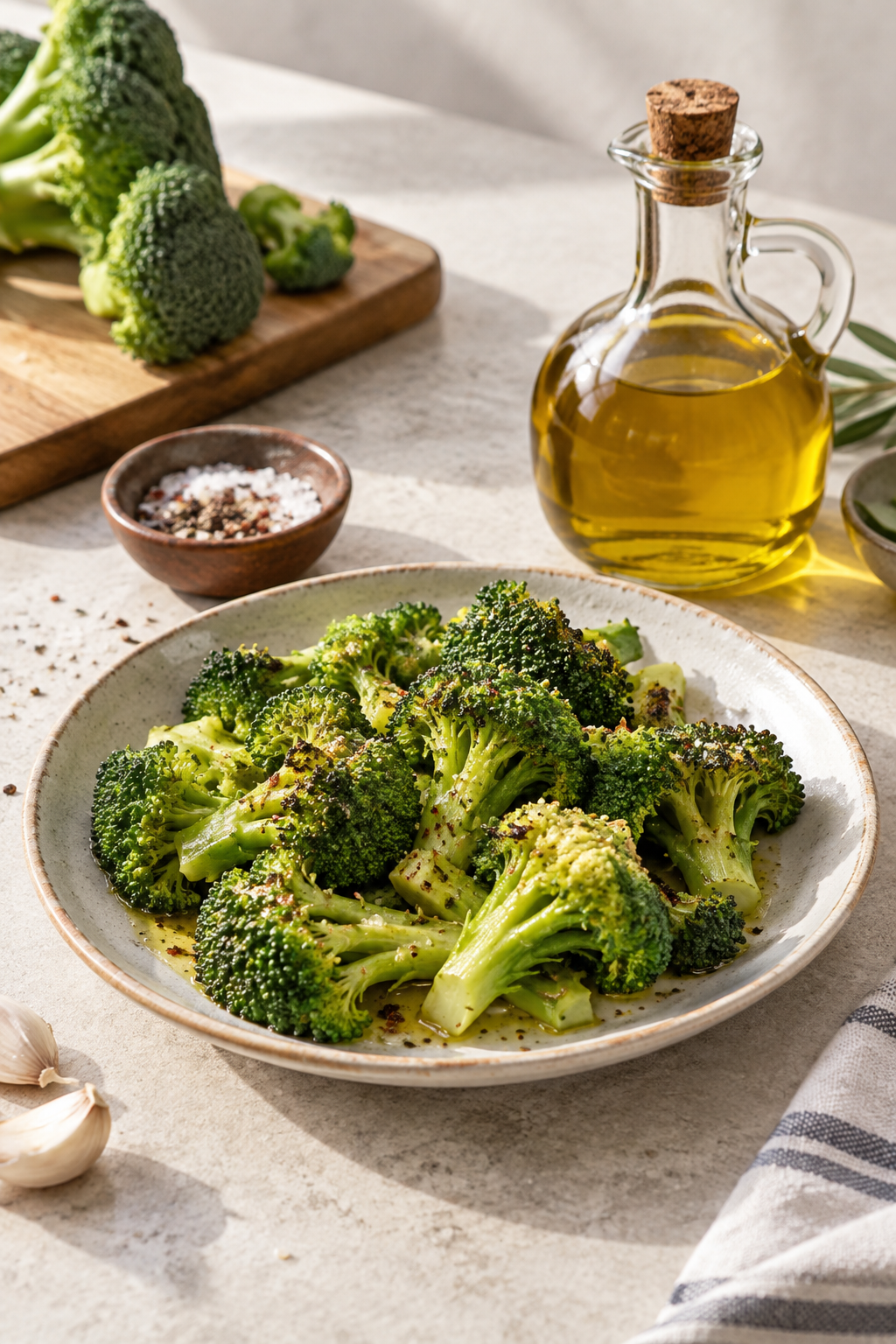
Broccoli + Mustard Seeds: The Molecular Synergy & Clinical Evidence
Evidence-based breakdown on how combining Broccoli + Mustard Seeds enhances bioavailability and cellular resilience.
Turmeric + Black Pepper: The Molecular Synergy & Clinical Evidence
Evidence-based breakdown on how combining Turmeric + Black Pepper enhances bioavailability and cellular resilience.

The Vibrant Elixir: Decoding Carotenoids, Betalains, and Nitric Oxide Pathways for Wellness
An evidence-based analysis of the synergistic effects of carrot, beetroot, watermelon, and lemon on antioxidant defense, vascular health, and metabolic support, grounded in phytopharmacology.

Honey, Lemon, Olive Oil & Salt: A Critical Biomedical Review of Respiratory Health Claims
An evidence-based analysis of a popular traditional remedy, examining the scientific basis for its purported benefits in lung cleansing, phlegm removal, and cough relief.