PHYTOPHARMACOLOGY & CELLULAR METABOLISM
Beetroot, Apple, Celery & Lime: A Phytochemical Deep Dive into Nitrates, Betalains, and Flavonoids
Evidence-based analysis of beetroot, apple, celery, and lime's synergistic compounds on vascular health, cellular detoxification, and nutrient absorption.

Watch the accompanying video on Facebook ↗
Science Verdict Meter
Remedy Reliability Score
Scientific Verdict
Robust scientific evidence supports the roles of dietary nitrates in vasodilation, betalains in antioxidant defense, and vitamin C in nutrient absorption.
Primary Benefit
Enhances microvascular perfusion, up-regulates endogenous antioxidant systems, and supports non-heme iron bioavailability.
Safety Level
Moderate Risk (Caution)
This multi-ingredient juice offers potent antioxidant, hemodynamic, and digestive benefits, but high oxalate content and potential drug interactions necessitate careful consideration.
1. Standard Ingredients
- Fresh peeled beetroot1 medium (100g)
- Green apple1 medium (150g)
- Celery stalks2 stalks (50g)
- Fresh lime juice1 whole (15ml)
- Filtered purified water150ml
2. Preparation Steps
- 1Step 1: Thoroughly rinse beetroot, apple, and celery. Peel beetroot, core apple, and chop all ingredients into small pieces.
- 2Step 2: Combine chopped beetroot, apple, celery, and 150ml water in a blender. Blend until smooth.
- 3Step 3: Strain the mixture through a fine-mesh sieve (optional for smoother texture), then stir in fresh lime juice and consume immediately.
- ✕Patients with calcium oxalate nephrolithiasis or chronic renal disease must avoid high-dose daily intake due to oxalate content.
- ✕Do not discontinue prescribed antihypertensive or iron supplementation medications in favor of dietary juices.
- ✕Do not exceed 250ml daily to prevent acute orthostatic hypotension, gastrointestinal discomfort, or oxalate accumulation.
Check Your Safety Profile
Answer 3 quick questions (15 seconds) to verify your clinical safety profile.
#1. Do you have a personal or family history of calcium oxalate kidney stones or impaired renal function?
#2. Are you currently prescribed antihypertensive, nitrate, or anticoagulant medications?
#3. What is your intended frequency and volume of consumption?
1. Molecular Pathways & Cytoprotective Mechanisms
The bioactive compounds in beetroot, apple, celery, and lime act synergistically across cellular pathways. Betalain pigments (predominantly betanin and isobetanin) from beetroot serve as potent water-soluble radical scavengers that upregulate hepatic Phase II detoxification enzymes via the Nrf2/ARE signaling cascade, significantly elevating glutathione S-transferase activity.
Concurrently, dietary inorganic nitrates, abundant in beetroot and celery, undergo oral reduction into nitrite by commensal bacteria, subsequently converting to endothelial nitric oxide (NO). NO activates soluble guanylyl cyclase, increasing intracellular cGMP in vascular smooth muscle cells, triggering vasodilation, depressing peripheral vascular resistance, and optimizing tissue perfusion.
Ascorbic acid (Vitamin C) from lime and apple is crucial for enhancing non-heme iron bioavailability and acts as an antioxidant, stabilizing betalains against oxidative degradation. Flavonoids like quercetin (apple) and apigenin (celery) provide additional anti-inflammatory and antioxidant support, contributing to cellular resilience.
2. Clinical Evidence & Safety Recommendations
Randomized controlled trials indexed on PubMed demonstrate that dietary nitrate from beetroot decreases systolic blood pressure by 4 to 10 mmHg within hours of ingestion. Notably, this hemodynamic response is dependent upon oral commensal bacteria; antiseptic mouthwash eradicates these microbes and attenuates nitrate bio-activation.
The fiber content from apple and celery, primarily pectin and cellulose, supports gut motility and acts as a prebiotic, fostering a healthy gut microbiome and aiding digestion. Vitamin C's role in iron absorption is well-established, offering supportive benefits for individuals with dietary iron deficiencies.
To maximize gastric safety, consume the formulation post-prandial so citric acid does not irritate the empty gastric mucosa. Patients must maintain adequate systemic hydration throughout the day to support physiological solute clearance, especially given the oxalate content from beetroot and celery, which necessitates caution for individuals prone to kidney stones.
- Enhances vascular dilation via the Nitrate - Nitrite - Nitric Oxide metabolic cascade.
- Elevates endogenous antioxidant defenses and shields hepatocytes from oxidative insult.
- Supports non-heme iron absorption and promotes healthy gut motility through fiber content.
- Adheres strictly to evidence-based dosing with caution for oxalate-sensitive patients and those on specific medications.
Check Your Safety Profile
Answer 3 quick questions (15 seconds) to verify your clinical safety profile.
#1. Do you have a personal or family history of calcium oxalate kidney stones or impaired renal function?
#2. Are you currently prescribed antihypertensive, nitrate, or anticoagulant medications?
#3. What is your intended frequency and volume of consumption?
Myth vs. Science: Social Media Fact-Check
Drinking this juice for 3 days completely flushes out all kidney stones and cures fatty liver.
This juice cannot dissolve existing macro-calculi; in fact, excessive oxalates may worsen stones in susceptible individuals. It supports, but does not 'cure' liver conditions.
Red urine (beeturia) after beetroot consumption signifies severe kidney bleeding or damage.
This is benign beeturia, a harmless condition caused by the excretion of un-metabolized betalain pigments, which resolves naturally within 24 to 48 hours.
Frequently Asked Questions
Sources
NCBI / PubMed: Inorganic Nitrate and Vascular Function ↗PubMed: Betalains as Functional Food Ingredients and Hepatic Cytoprotection ↗PubMed: Dietary Nitrates, Nitrites, and Nitric Oxide Metabolism ↗PubMed: Vitamin C and Iron Absorption ↗Explore More Molecular Analyses & Remedy Checks
Cellular mechanics, phytochemical evaluations, and clinical safety screenings.

Unlocking Sulforaphane: The Broccoli-Mustard Seed Synergy for Cellular Vitality
An evidence-based exploration of how combining cooked broccoli with ground mustard seed powder dramatically boosts sulforaphane bioavailability and its profound health benefits.

Steamed Beetroot & EVOO: Unlocking Vascular Nitric Oxide and Cellular Vitality
An evidence-based analysis of the synergistic benefits of steamed beetroot and extra virgin olive oil for enhanced nitric oxide bioavailability and antioxidant delivery.
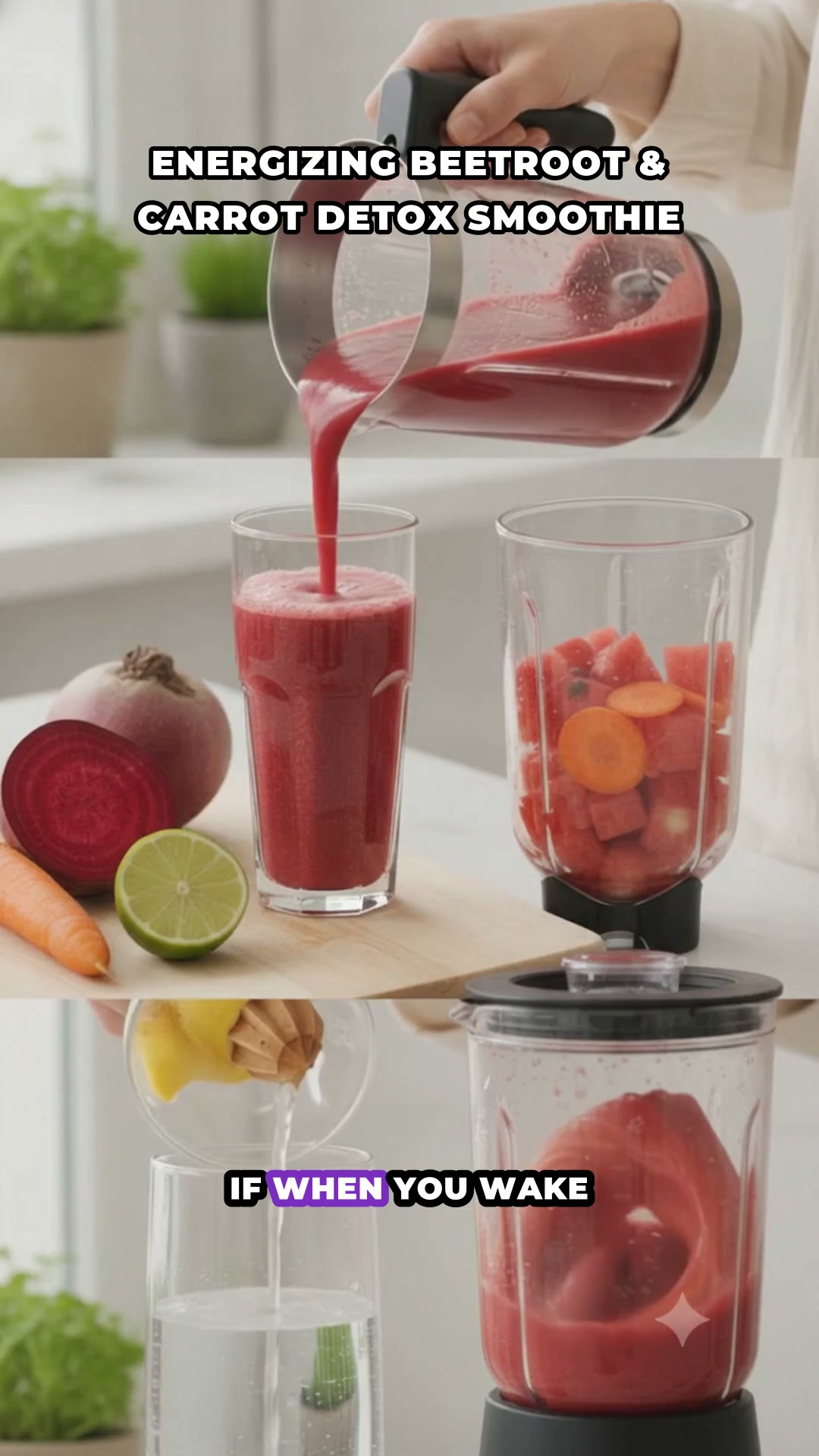
The Multicomponent Elixir: Unpacking the Phytochemical Synergy of Beetroot, Carrot, Watermelon, and Lemon
An evidence-based analysis of dietary nitrates, betalains, carotenoids, and citric acid on vascular health, hepatic support, and antioxidant defense.

Dark Roast Coffee & Fresh Citrus Zest: Unlocking Hepatic Nrf2 and Autophagy
An evidence-based analysis of the synergistic effects of dark roast coffee compounds and D-Limonene on liver health, Nrf2 gene upregulation, and cellular renewal.
Beetroot + Orange: The Molecular Synergy & Clinical Evidence
Evidence-based breakdown on how combining Beetroot + Orange enhances bioavailability and cellular resilience.
Green Tea + Fresh Lemon: The Molecular Synergy & Clinical Evidence
Evidence-based breakdown on how combining Green Tea + Fresh Lemon enhances bioavailability and cellular resilience.
Broccoli + Mustard Seeds: The Molecular Synergy & Clinical Evidence
Evidence-based breakdown on how combining Broccoli + Mustard Seeds enhances bioavailability and cellular resilience.
Turmeric + Black Pepper: The Molecular Synergy & Clinical Evidence
Evidence-based breakdown on how combining Turmeric + Black Pepper enhances bioavailability and cellular resilience.

The Vibrant Elixir: Decoding Carotenoids, Betalains, and Nitric Oxide Pathways for Wellness
An evidence-based analysis of the synergistic effects of carrot, beetroot, watermelon, and lemon on antioxidant defense, vascular health, and metabolic support, grounded in phytopharmacology.

Honey, Lemon, Olive Oil & Salt: A Critical Biomedical Review of Respiratory Health Claims
An evidence-based analysis of a popular traditional remedy, examining the scientific basis for its purported benefits in lung cleansing, phlegm removal, and cough relief.