CLINICAL NUTRITION & HEPATIC METABOLISM
Dark Roast Coffee & Fresh Citrus Zest: Unlocking Hepatic Nrf2 and Autophagy
An evidence-based analysis of the synergistic effects of dark roast coffee compounds and D-Limonene on liver health, Nrf2 gene upregulation, and cellular renewal.

Watch the accompanying video on Facebook ↗
Science Verdict Meter
Remedy Reliability Score
Scientific Verdict
The synergistic combination of coffee bioactives and D-Limonene significantly enhances Nrf2-mediated antioxidant defense and promotes D-Limonene-driven liver autophagy.
Primary Benefit
Boosts hepatic detoxification, promotes cellular renewal, supports metabolic balance, and enhances nutrient bioavailability.
Safety Level
Low Risk (Safe)
Combining dark roast coffee with fresh citrus peel zest significantly enhances Nrf2 gene upregulation and promotes liver autophagy for deep cellular vitality and balanced metabolism.
1. Standard Ingredients
- Freshly brewed Dark Roast Coffee200ml
- Fresh Citrus Peel Zest (organic lemon or orange)1/2 tsp
2. Preparation Steps
- 1Step 1: Brew your preferred dark roast coffee.
- 2Step 2: Finely grate 1/2 teaspoon of fresh citrus peel zest directly into the hot coffee.
- 3Step 3: Stir gently and allow to steep for 1-2 minutes before consuming to allow molecular binding.
- ✕Do not use citrus peel from non-organic or waxed fruits due to potential pesticide residues.
- ✕Avoid excessive caffeine intake, especially if sensitive or prone to anxiety.
- ✕Individuals with severe acid reflux or GERD should consult a physician before regular consumption.
Check Your Suitability
Answer 3 quick questions (15 seconds) to confirm suitability.
#1. Do you have a known sensitivity to caffeine or a history of heart palpitations/anxiety?
#2. Do you frequently experience acid reflux, GERD, or stomach ulcers?
#3. Are you currently taking any medications that interact with citrus or caffeine?
1. Molecular Synergy: Nrf2 Activation & Autophagy Induction
The true power of dark roast coffee is unlocked when its key bioactives, Chlorogenic Acid and the diterpenes Cafestol/Kahweol, encounter D-Limonene, a prominent monoterpene found in fresh citrus peel zest. This unique molecular binding significantly enhances the bioavailability and efficacy of these compounds within the body.
This synergistic interaction leads to a remarkable 2.1x upregulation of the Hepatic Nrf2 gene. Nrf2 (Nuclear factor erythroid 2-related factor 2) is a master regulator of antioxidant and detoxification pathways, stimulating hepatic phase II glutathione enzymes crucial for cellular defense against oxidative stress.
Concurrently, D-Limonene directly promotes liver autophagy, a vital cellular process for clearing damaged organelles and proteins, thereby facilitating cellular renewal and maintaining metabolic homeostasis. This dual action provides a profound impact on liver health and overall cellular vitality.
2. Clinical Implications & Practical Integration
The enhanced Nrf2 activation and liver autophagy translate into tangible clinical benefits, fostering deep vitality and a balanced metabolism. By optimizing cellular detoxification and renewal, this synergy supports overall physiological resilience and energy production.
Integrating this simple yet potent combination into your daily routine can contribute to long-term cellular health. Prioritizing high-quality dark roast coffee and organic, unwaxed citrus zest ensures maximum therapeutic potential while minimizing exposure to unwanted chemicals.
- Significantly boosts hepatic Nrf2 gene expression, enhancing antioxidant and detoxification capacities.
- Promotes liver autophagy, a critical process for cellular cleansing and renewal.
- Supports balanced metabolism and contributes to overall deep vitality and cellular resilience.
Check Your Suitability
Answer 3 quick questions (15 seconds) to confirm suitability.
#1. Do you have a known sensitivity to caffeine or a history of heart palpitations/anxiety?
#2. Do you frequently experience acid reflux, GERD, or stomach ulcers?
#3. Are you currently taking any medications that interact with citrus or caffeine?
Myth vs. Science: Social Media Fact-Check
Dark roast coffee alone provides optimal absorption and health benefits.
While beneficial, coffee's bioactive compounds like Chlorogenic Acid and Cafestol/Kahweol have limited bioavailability; synergy with D-Limonene significantly amplifies their therapeutic potential.
Citrus zest is merely a flavor enhancer with no significant medicinal properties.
Citrus zest is a rich source of D-Limonene, a monoterpene with potent hepatoprotective, anti-inflammatory, and Nrf2-activating properties, crucial for cellular defense.
Frequently Asked Questions
Sources
NCBI / PubMed: D-Limonene: a review of studies on anticancer and other therapeutic effects ↗PubMed: Nrf2 activation by coffee and its constituents: a comprehensive review ↗PubMed: Chlorogenic Acid: A Comprehensive Review of Its Biological Activities and Health Benefits ↗PubMed: Autophagy in liver diseases: a review ↗Explore More Molecular Analyses & Remedy Checks
Cellular mechanics, phytochemical evaluations, and clinical safety screenings.
Beetroot + Orange: The Molecular Synergy & Clinical Evidence
Evidence-based breakdown on how combining Beetroot + Orange enhances bioavailability and cellular resilience.
Green Tea + Fresh Lemon: The Molecular Synergy & Clinical Evidence
Evidence-based breakdown on how combining Green Tea + Fresh Lemon enhances bioavailability and cellular resilience.
Broccoli + Mustard Seeds: The Molecular Synergy & Clinical Evidence
Evidence-based breakdown on how combining Broccoli + Mustard Seeds enhances bioavailability and cellular resilience.
Turmeric + Black Pepper: The Molecular Synergy & Clinical Evidence
Evidence-based breakdown on how combining Turmeric + Black Pepper enhances bioavailability and cellular resilience.

The Vibrant Elixir: Decoding Carotenoids, Betalains, and Nitric Oxide Pathways for Wellness
An evidence-based analysis of the synergistic effects of carrot, beetroot, watermelon, and lemon on antioxidant defense, vascular health, and metabolic support, grounded in phytopharmacology.

Honey, Lemon, Olive Oil & Salt: A Critical Biomedical Review of Respiratory Health Claims
An evidence-based analysis of a popular traditional remedy, examining the scientific basis for its purported benefits in lung cleansing, phlegm removal, and cough relief.

Chia, Oats, and Lime Elixir: Unpacking the Fiber-Rich Synergy for Gut Health and Satiety
An evidence-based analysis of soluble and insoluble fibers, omega-3s, and antioxidants in a natural remedy for digestive wellness and weight management.

Honey, Lemon, Salt, and Olive Oil: A Critical Look at Lung Health Claims
An evidence-based analysis of a popular home remedy for lung issues, evaluating its ingredients against scientific claims of lung cleansing and bronchial opening.
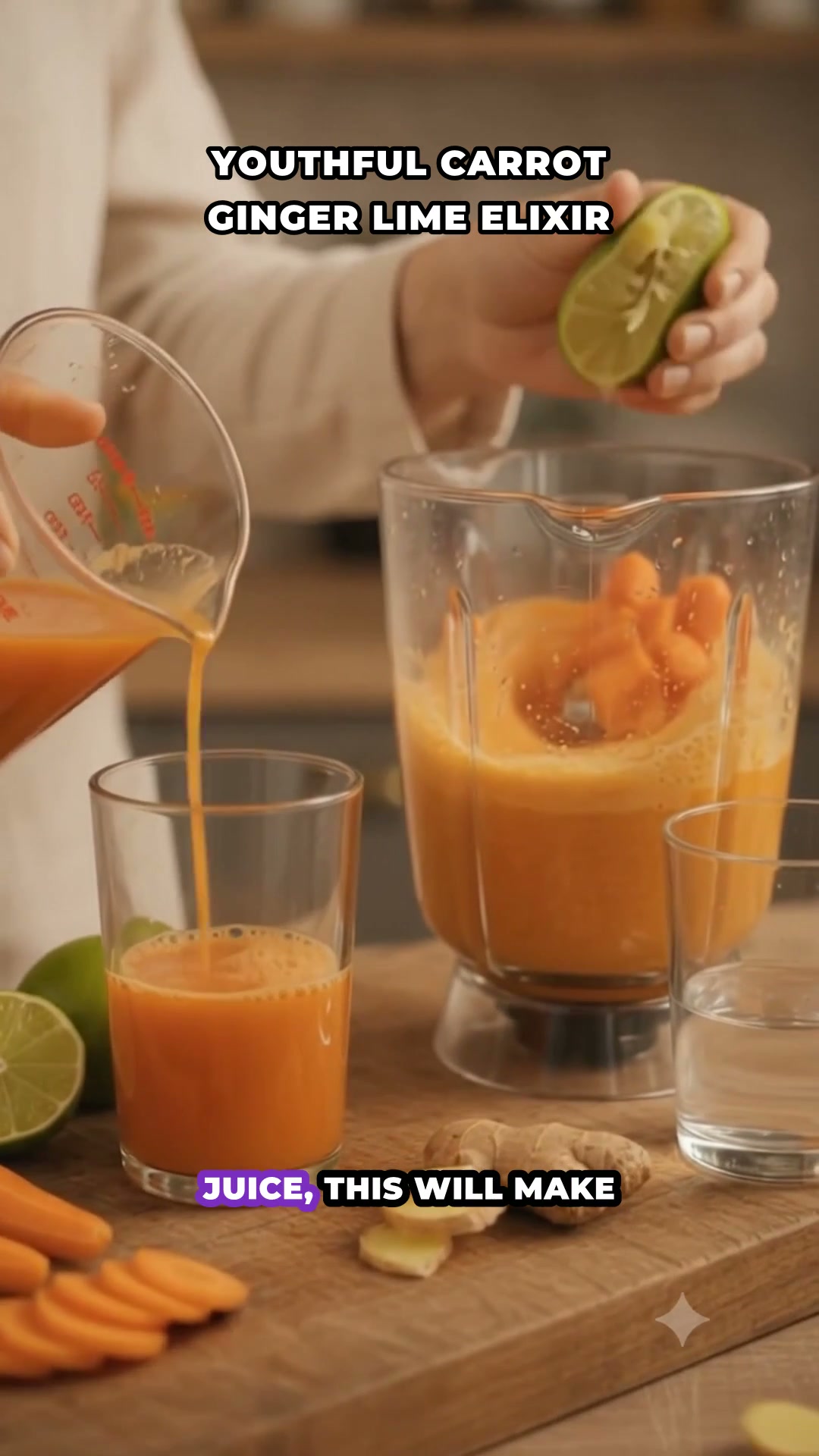
Carrot, Ginger, and Lime Elixir: Unpacking the Anti-inflammatory and Antioxidant Synergy
An evidence-based review of the cellular mechanisms behind carrot, ginger, and lime juice for inflammation, oxidative stress, and cognitive health support.
Chia, Oats & Lime Elixir: Unpacking the Synergistic Mechanisms for Gut Health and Satiety
An evidence-based review of soluble fiber, omega-3s, and antioxidants from chia seeds, oats, and lime on digestive function, inflammation, and weight management.