DENTAL SURFACE CHEMISTRY & ORAL MICROBIOLOGY
Baking Soda & Lemon Rinse: Oral pH Buffering, Halitosis Reduction & Dental Enamel Safety
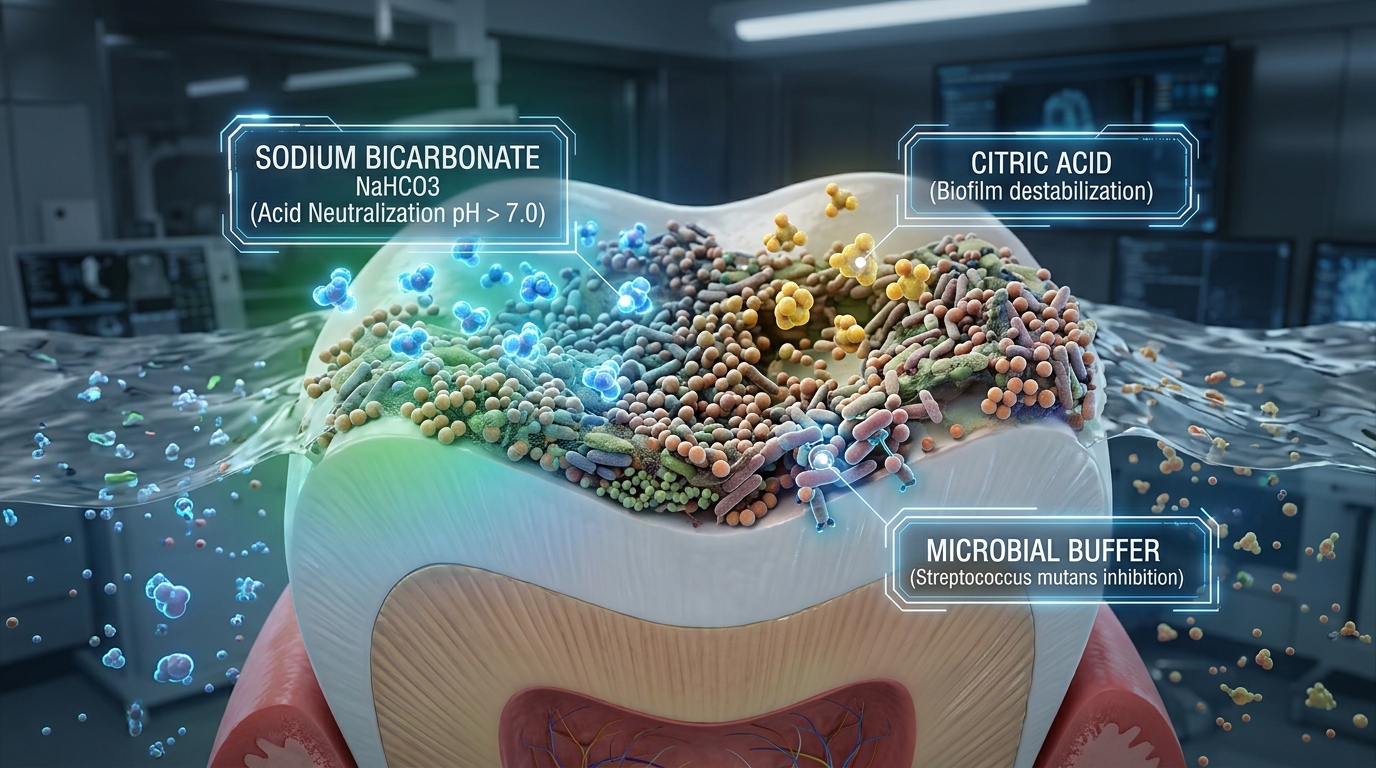
3D molecular visualization of dental enamel chemistry: how Sodium Bicarbonate and Citric Acid buffer oral acidity, suppress Streptococcus mutans, and safeguard hydroxyapatite integrity.
Science Verdict Meter
Remedy Reliability Score
Scientific Verdict
Effective antibacterial and deodorizing properties, but requires strict concentration control to prevent enamel demineralization
Primary Benefit
Neutralizes oral organic acids, inhibits volatile sulfur producing bacteria, and cleans surface plaque
Safety Level
Moderate Risk (Caution)
Sodium Bicarbonate (NaHCO3) neutralizes organic oral acids and destabilizes volatile sulfur compound (VSC) producing biofilms. However, citric acid can dissolve tooth enamel if used in excess or brushed abrasively. Use strictly as a diluted alkaline rinse 1-2 times weekly.
1. Standard Ingredients
- USP pharmaceutical grade baking soda (NaHCO3)1/4 tsp (1g)
- Fresh lemon juice3 - 5 drops only
- Lukewarm purified water100ml
2. Preparation Steps
- 1Dissolve 1/4 teaspoon of baking soda in 100ml of lukewarm water until completely transparent.
- 2Add 3 to 5 drops of fresh lemon juice; observe gentle effervescence establishing an alkaline buffered system.
- 3Swish thoroughly throughout the oral cavity for 30-45 seconds, forcing fluid between interdental spaces and across the dorsal tongue.
- 4Expectoration: Spit out completely. Rinse mouth once with clean lukewarm water.
- ✕NEVER make a concentrated abrasive paste to brush teeth directly (causes irreversible mechanical enamel abrasion).
- ✕Do not swallow the rinse (high sodium load and gastric acid neutralization).
- ✕Avoid daily reliance; this serves as a weekly therapeutic adjuvant, not standard toothpaste.
Check Your Suitability
Answer 3 quick questions (15 seconds) to confirm safe application of the baking soda and lemon oral protocol.
#1.
#2.
#3.
1. Reaction Kinetics: Bicarbonate Buffering & VSC Suppression
Halitosis is predominantly driven by Volatile Sulfur Compounds (VSCs) generated by anaerobic oral microbiota fermenting residual salivary and dietary proteins under acidic micro-niches.
Sodium Bicarbonate ($NaHCO_3$) functions as an amphoteric buffer. When dissolved in aqueous saliva, $HCO_3^-$ ions neutralize bacterial lactic and butyric acids, elevating the oral microenvironment above pH 7.5.
This alkaline shift selectively suppresses the metabolic proliferation of gram-negative anaerobes including Porphyromonas gingivalis and Streptococcus mutans, neutralizing the sulfur-cleaving enzymes.
2. Enamel Biomechanics: Hydroxyapatite Dissolution Limits
Human dental enamel is composed of 96% crystalline inorganic Hydroxyapatite $[Ca_{10}(PO_4)_6(OH)_2]$, an arrangement vulnerable to hydronium ion attack.
Pure lemon juice exhibits a corrosive pH of 2.0 to 2.6. Applying unbuffered citrus directly to teeth extracts calcium and phosphate ions into solution, degrading structural prismatic enamel.
The golden rule of oral biochemistry: Sodium Bicarbonate must overwhelmingly dominate the stoichiometry, completely neutralizing citric acid and securing a sustained alkaline buffer ($pH > 7.0$).
- Utilize solely as a homogeneous liquid rinse; never apply as an abrasive mechanical scrub.
- A therapeutic cadence of 1-2 times weekly safely lifts superficial pellicle films.
- Always follow with a fresh water rinse to reset salivary equilibrium.
Check Your Suitability
Answer 3 quick questions (15 seconds) to confirm safe application of the baking soda and lemon oral protocol.
#1.
#2.
#3.
Myth vs. Science: Social Media Fact-Check
Scrubbing teeth with lemon and baking soda daily whitens teeth safely without damaging enamel.
Citric acid dissolves hydroxyapatite crystals, and abrasive mechanical scrubbing wears down outer enamel permanently, exposing yellowish dentin and inducing hypersensitivity.
Baking soda permanently eradicates all bacteria responsible for dental cavities.
Baking soda induces transient pH elevation that temporarily represses anaerobic pathogens; it cannot substitute daily flossing and standard mechanical hygiene.
Frequently Asked Questions
Sources
Journal of the American Dental Association - Bicarbonate Buffering ↗PubMed: Antibacterial effect of sodium bicarbonate on oral microorganisms ↗Caries Research: Critical Enamel pH Dynamics ↗Explore More Molecular Analyses & Remedy Checks
Cellular mechanics, phytochemical evaluations, and clinical safety screenings.
Coffee & Spice Infusions: A Scientific Companion to Targeted Wellness
Integrating specific spices into your coffee can leverage their bioactive compounds for enhanced physiological benefits, from blood sugar regulation to cognitive support and digestive comfort.
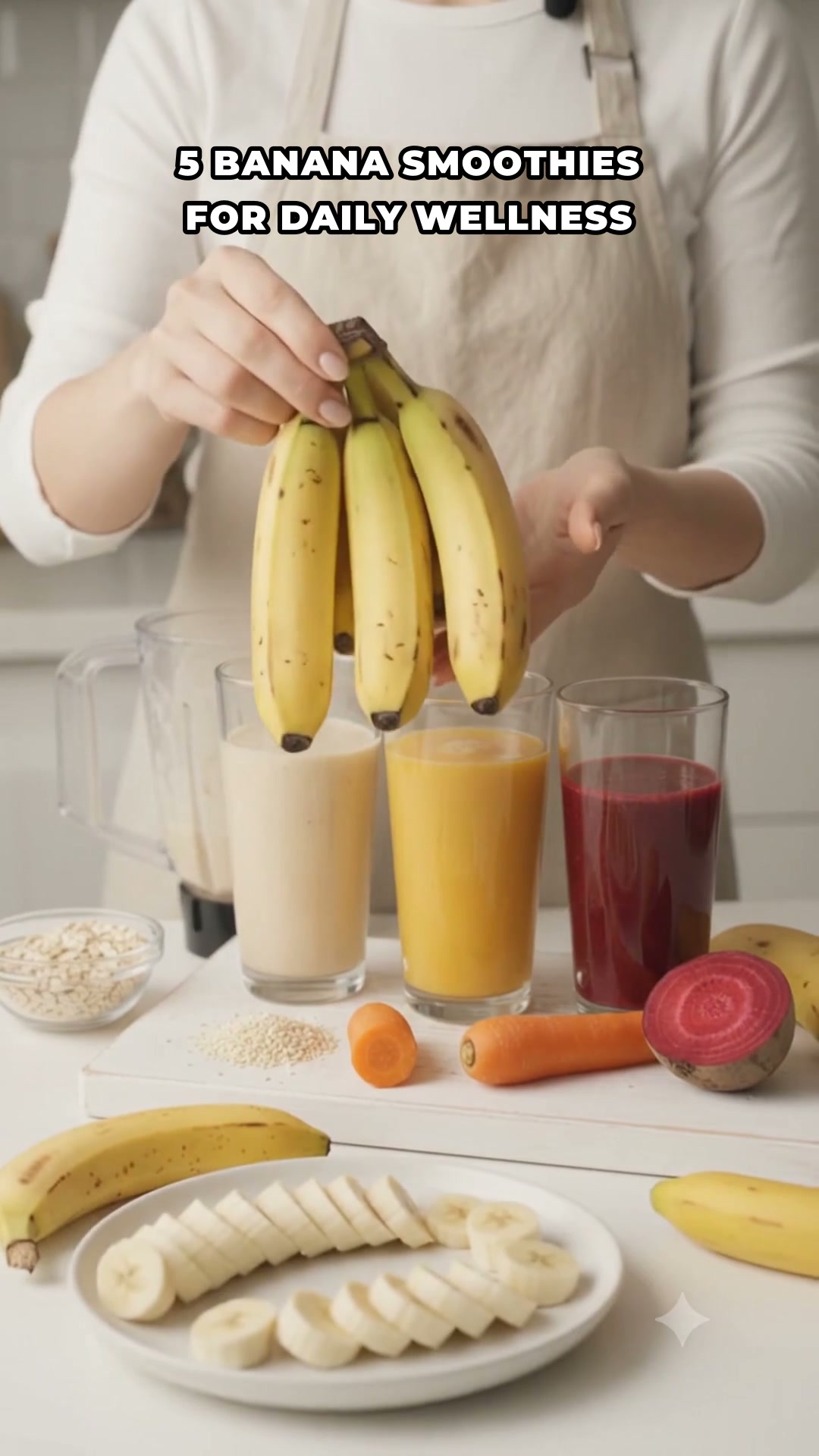
Gut Microbiome Modulation: The Synergistic Actions of Pectin, Fiber, and Actinidin from Apple, Chia, and Kiwi
This fiber-rich smoothie promotes healthy digestion and gut motility, but does not offer a 'colon flush' or cure chronic inflammation.
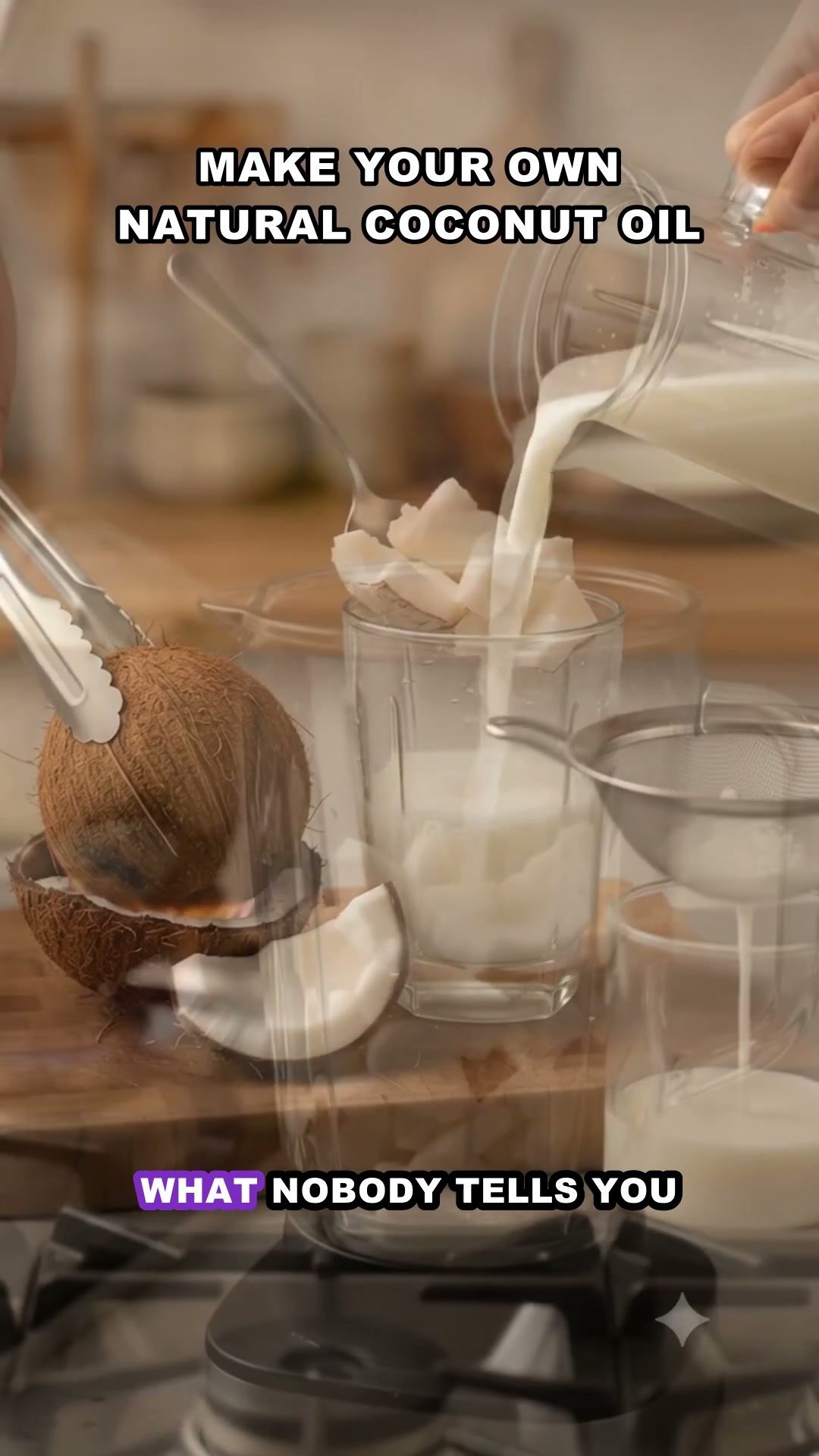
Homemade Coconut Oil: Unpacking the Phytochemistry of Medium-Chain Triglycerides
Homemade coconut oil provides a rich source of MCTs, particularly lauric acid, offering unique metabolic and antimicrobial properties, but requires mindful consumption due to its caloric density.

Synergistic Health Benefits of Spiced Coffee: A Biomedical Perspective
Incorporating specific spices into coffee can leverage their bioactive compounds to support blood sugar control, cognitive function, stress reduction, and metabolic health.
Homemade Cough Syrup: Unpacking the Science of Onion, Garlic, Lemon, and Honey
Onion, garlic, lemon, and honey offer a synergistic blend of compounds with potential benefits for soothing coughs and throat irritation.

Ginger, Calamansi, and Honey: Unpacking the Science of a Natural Wellness Elixir
This traditional blend offers synergistic anti-inflammatory, immune-supportive, and antimicrobial benefits, particularly for mild respiratory symptoms.

Turmeric: A Scientific Companion to Its Anti-inflammatory and Antioxidant Potentials
Turmeric, particularly its curcuminoids, offers potent anti-inflammatory and antioxidant benefits, with piperine significantly enhancing its systemic bioavailability.

Matcha: The Synergistic Science of Sustained Focus and Cognitive Enhancement
Matcha's unique combination of L-theanine and caffeine promotes calm, sustained focus by modulating brain waves and neurotransmitter activity.
Ginger's Therapeutic Potential: A Biomedical Review of Digestion, Inflammation, and Cellular Defense
Daily ginger intake can significantly support digestive comfort, mitigate nausea, and contribute to a healthy inflammatory and antioxidant status through its potent bioactive compounds.

Water-Cooked Chicken: The Science of Reducing AGEs and Preserving Protein Integrity
Cooking chicken in water instead of deep-frying drastically lowers calorie density and harmful glycation compounds.