COGNITIVE SLEEP SCIENCE
The Cognitive Shuffle Protocol: How Scrambled Thoughts Disarm Bedtime Overthinking
Learn how the Serial Diverse Imagination (SDI) cognitive shuffle technique scrambles anxious bedtime thoughts and tricks the brain into stage 1 sleep.

Watch the accompanying video on Facebook ↗
By forcing the brain to visualize random, emotionally neutral micro-images, the cognitive shuffle signals to the sleep cortex that no urgent danger exists.
Why The Brain Cannot Sleep While Making Sense
When you lie awake analyzing your finances, replaying uncomfortable conversations, or anticipating tomorrow's deadlines, your brain is engaged in coherent, linear problem solving.
From an evolutionary perspective, a human brain that is making structured sense is evaluating danger. Linear thought maintains cortical arousal in the default mode network (DMN), forbidding the thalamus from gating sensory inputs.
- Coherent linear thoughts trigger prefrontal safety checkpoints
- Default Mode Network hyperactivity suppresses sleep spindling
- Micro-sleep onset requires thinking non-linear, fragmented, dream-like thoughts
Serial Diverse Imagination (SDI): The Science Behind the Technique
Pioneered by cognitive scientist Dr. Luc Beaudoin, Serial Diverse Imagination (SDI) exploits the brain's sleep-onset signature. Just before natural sleep, thoughts fragment into surreal micro-scenes.
By artificially producing a rapid sequence of emotionally neutral, random concepts, you mimic natural hypnagogic fragmentation and deceive the brain into concluding that it is safe to sleep.
How to Execute the Alphabet Cognitive Shuffle Tonight
Follow this simple 4-step sequence while lying comfortably with closed eyes:
- 1. Choose a neutral seed word containing 4 to 6 letters, such as 'CALM'.
- 2. Start with the first letter ('C'): visualize a Cat, then a Candle, a Castle, a Cloud, a Cucumber. Spend 3 to 5 seconds picturing each item vividly.
- 3. Move to the second letter ('A'): visualize an Anchor, an Acorn, an Airplane, an Apple.
- 4. Continue across each letter until hypnagogic sleep takes over.
Systematize Your Bedtime Calm with Botly
The cognitive shuffle is an evidence-supported cognitive tool that stops racing spirals within minutes.
Discover your personal insomnia archetype with the Free 2-Minute Sleep Quiz, or combine cognitive shuffling with guided binaural pacing in the Botly Wellness App.
Medical Disclaimer: This article is for educational purposes only and does not substitute for medical evaluation by a licensed physician or healthcare provider.
Frequently Asked Questions
Identify Your Nocturnal Arousal Profile
Take our free 2-minute clinical assessment to uncover your root cause and receive a personalized bedtime somatic reset.
Take the Free 2-Minute Sleep Quiz →Sources
Canadian Journal of Experimental Psychology — Somnolent mentation and Serial Diverse Imagination ↗Behavioral Sleep Medicine — Cognitive Arousal and Intrusive Thoughts in Insomnia ↗Explore More Somatic & Bedtime Guides
Neuroscience validation, somatic resets, and gentle bedtime companions.

Why You Wake Up at 3 AM Every Night: The Nocturnal Cortisol Surge and Somatic Resets
Discover why waking up between 2 AM and 4 AM occurs, how nocturnal blood glucose drops trigger cortisol rushes, and 3 clinical somatic resets.

The 3:14 AM Clock Arithmetic: Why Calculating Remaining Sleep Keeps Your Amygdala Alert
An evidence-based neuro-somatic inquiry into why mental math in the dark triggers autonomic panic, and how restful wakefulness restores 80% cellular energy.

The 4-7-8 Breathing Technique for Nighttime Anxiety: How It Activates the Vagal Brake for Deep Sleep
Learn how the 4-7-8 breathing sequence triggers the parasympathetic vagal brake, slows racing heart rates, and stops bedtime anxiety naturally.

Exhausted Body, Active Mind: Navigating the Midnight Thought Loop
An empathetic guide to understanding why your mind keeps scanning when your body craves sleep, and how to gently invite rest.

The Silent Echo: Healing When Hurt Leads to Avoidant Abandonment
An empathetic exploration into the deep ache of being left with unaddressed pain, and how to gently guide your nervous system back to internal safety.
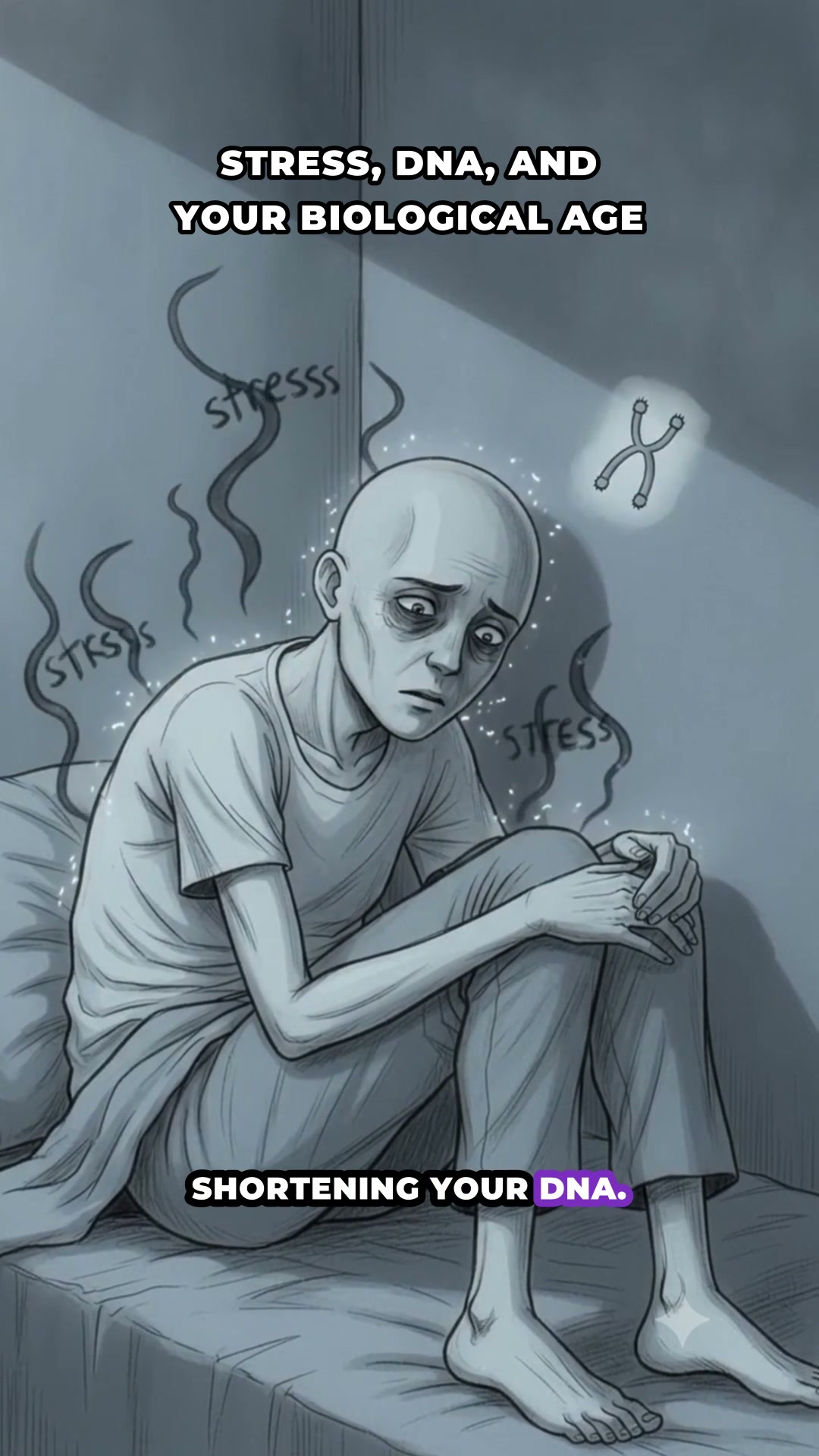
Stress is Shortening Your DNA: How Calm Can Rebuild It
Explore the profound science behind how chronic stress impacts your cellular health and how simple moments of calm can activate your body's natural repair mechanisms.
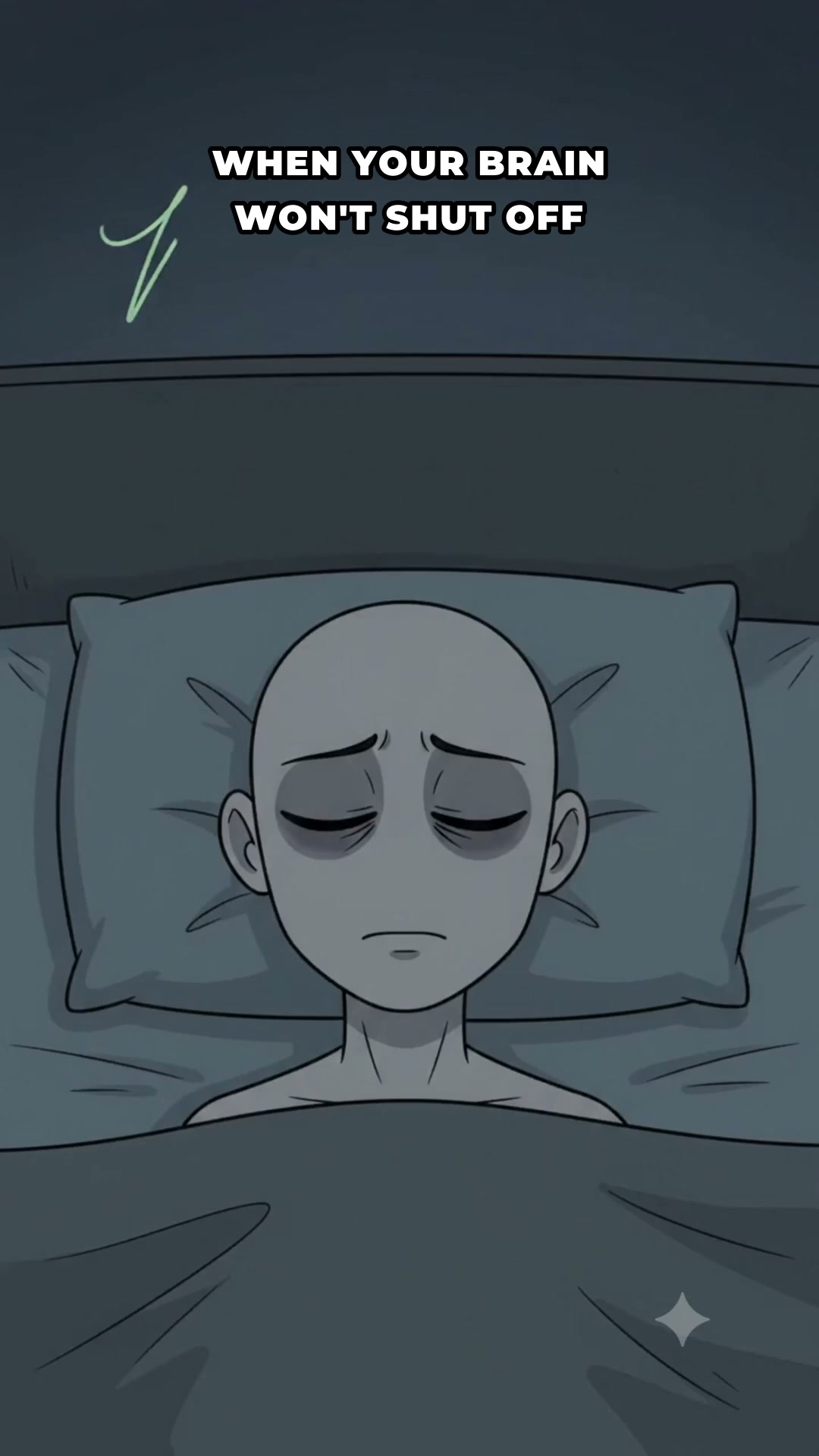
When Silence Feels Too Loud: Finding Safety in the Stillness of Night
Explore why your mind craves ambient sound to feel safe enough to rest, and how to gently soothe the fear of midnight silence.

When Midnight Silence Amplifies Loneliness: Finding Gentle Company in the Quiet
An empathetic exploration into why the quiet of night can intensify feelings of isolation, and how your nervous system seeks gentle presence to feel safe enough to rest.
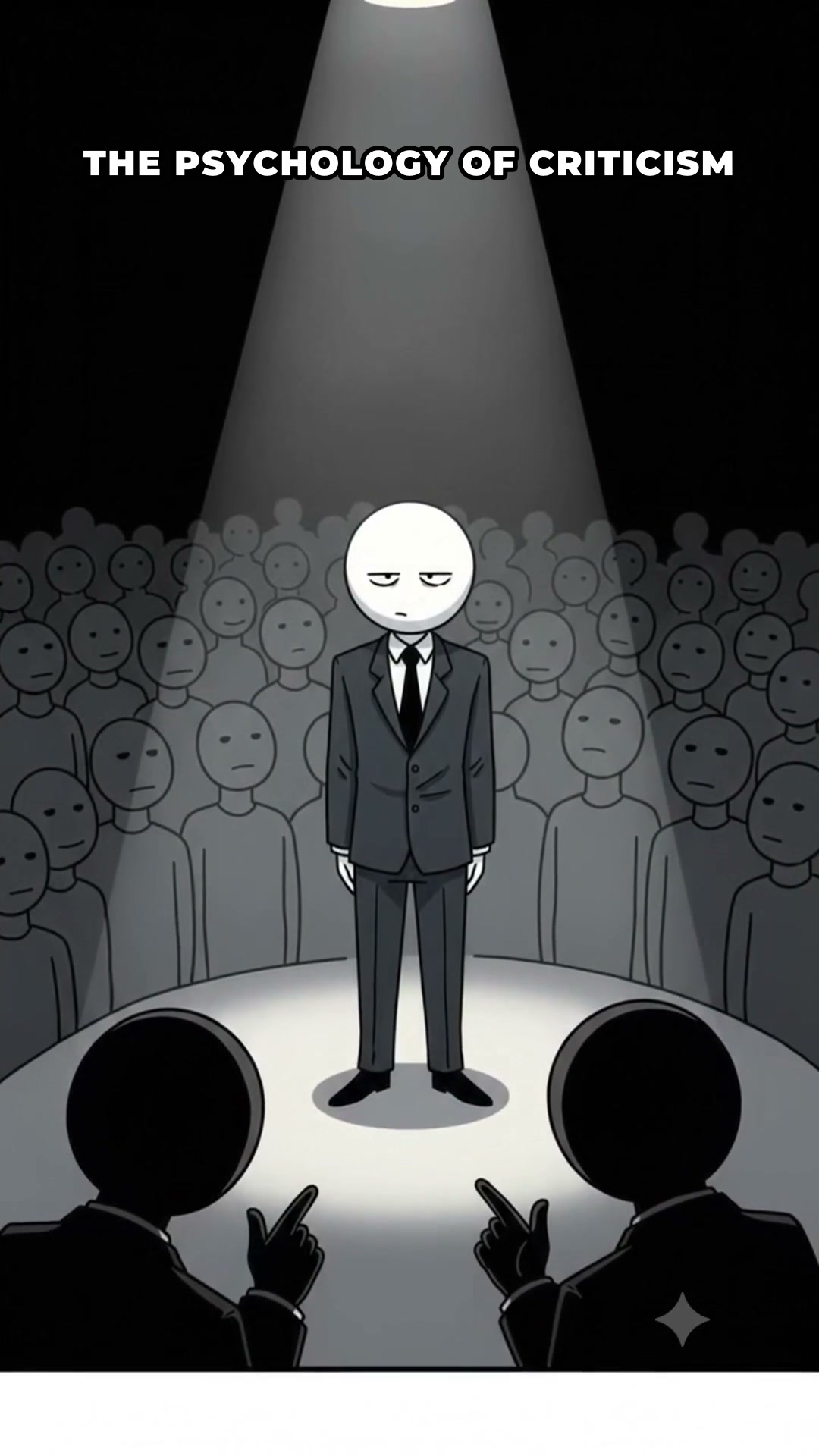
When Whispers Linger: Cultivating Unshakeable Inner Calm at Bedtime
An empathetic guide to finding your inner sanctuary and peace when the echoes of external judgment disrupt your rest.

The Quiet Battle: Why Your Mind Stays Alert When Your Body Craves Rest
An empathetic exploration into why your mind enters survival mode at night, preventing rest even when exhausted, and how to gently invite safety back.