CIRCADIAN NEUROENDOCRINOLOGY
Why You Wake Up at 3 AM Every Night: The Nocturnal Cortisol Surge and Somatic Resets
Discover why waking up between 2 AM and 4 AM occurs, how nocturnal blood glucose drops trigger cortisol rushes, and 3 clinical somatic resets.
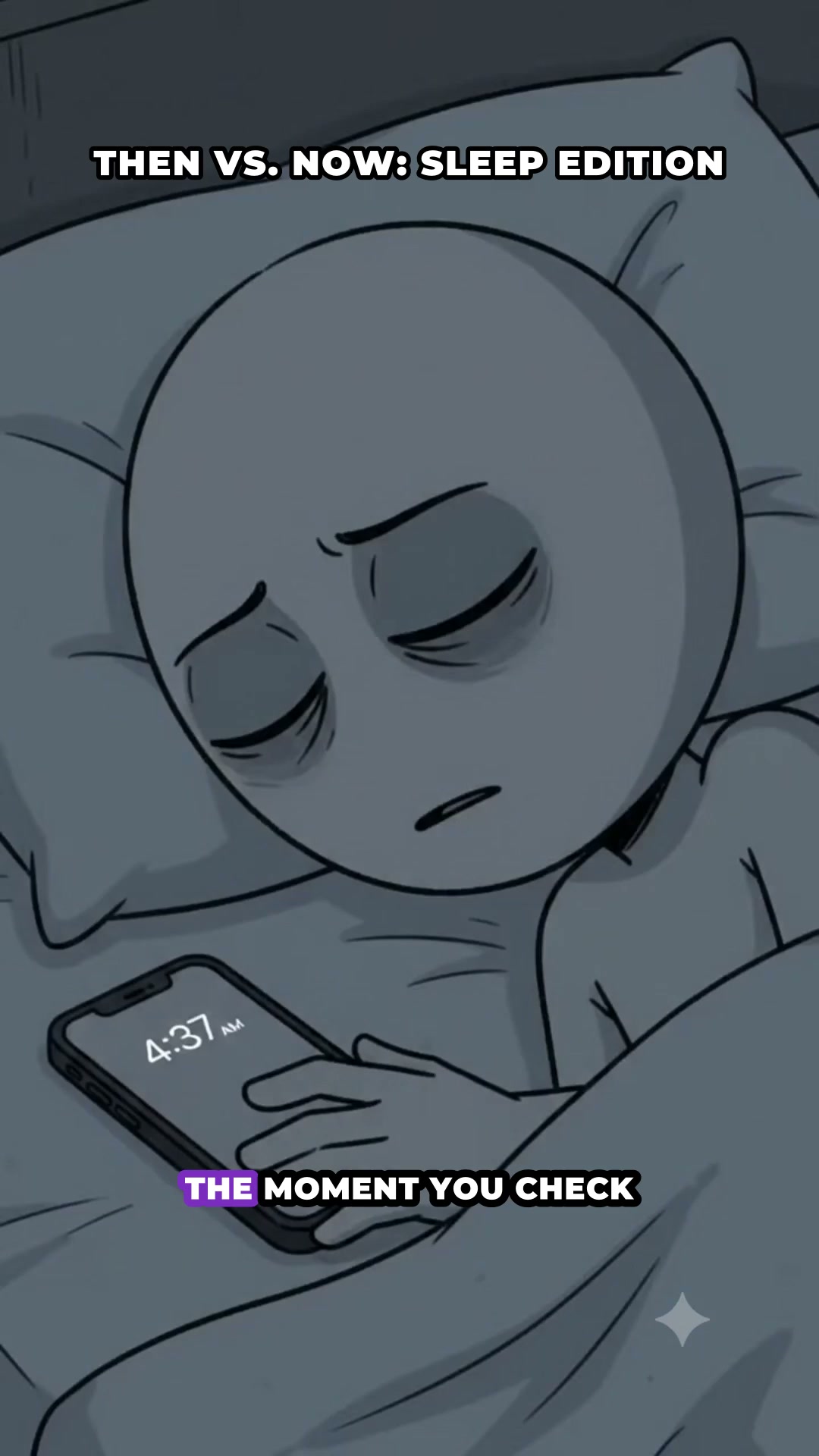
Watch the accompanying video on Facebook ↗
Nocturnal blood sugar drops prompt adrenal glands to release adrenaline and cortisol, jerking the brain awake into sudden alert state at 3 AM.
The 3 AM Phenomenon: Circadian Biology vs Autonomic Arousal
Waking up suddenly between 2:30 AM and 3:30 AM with a racing pulse and hyperactive mind is one of the most common complaints in sleep medicine. Far from being a random glitch, this midnight arousal is tightly coordinated by circadian glycogen depletion.
As liver glycogen stores dip during overnight fasting, the brain detects potential cellular energy scarcity. To protect the central nervous system, the pituitary-adrenal axis triggers a compensatory surge of cortisol and epinephrine.
- Nocturnal glycogen depletion triggers counter-regulatory hormonal release
- Micro-arousal occurs precisely during REM sleep transition windows
- Hypervigilant amygdala misinterprets physiological arousal as crisis
The Clock-Checking Trap: Fueling the Second Wave of Panic
The most destructive reflex upon waking at 3 AM is checking your phone or bedside clock. The cognitive calculation of 'how many hours I have left before my alarm' triggers immediate prefrontal performance anxiety.
Furthermore, screen photons strike retinal ganglion cells, suppressing remaining pineal melatonin and cementing full wakefulness.
Clinical Somatic Resets for 3 AM Wakefulness
Rather than fighting wakefulness, apply autonomic down-regulation without opening your eyes or looking at the time:
- 1. Physiological Sigh: Two rapid nasal inhales followed by one long mouth exhalation.
- 2. Progressive Jaw & Neck De-armoring: Unclench teeth and let the tongue rest on the floor of the mouth.
- 3. Neutral Thought Reframing: Tell yourself 'resting calmly in darkness provides 80% of physiological cellular recovery even without sleep'.
Restore Your Circadian Rhythms with Botly
Chronic 3 AM awakenings indicate autonomic dysregulation that responds exceptionally well to targeted somatic protocols.
Take the Free 2-Minute Sleep Quiz to identify your nocturnal cortisol profile, or use adaptive soundscapes in the Botly Wellness App.
Medical Disclaimer: This article is for educational purposes only and does not substitute for medical evaluation by a licensed physician or healthcare provider.
Frequently Asked Questions
Identify Your Nocturnal Arousal Profile
Take our free 2-minute clinical assessment to uncover your root cause and receive a personalized bedtime somatic reset.
Take the Free 2-Minute Sleep Quiz →Sources
Journal of Clinical Endocrinology & Metabolism — Nocturnal Cortisol Dynamics and Sleep Fragmentation ↗Sleep Medicine Reviews — Autonomic Dysregulation in Maintenance Insomnia ↗Explore More Somatic & Bedtime Guides
Neuroscience validation, somatic resets, and gentle bedtime companions.

The Cognitive Shuffle Protocol: How Scrambled Thoughts Disarm Bedtime Overthinking
Learn how the Serial Diverse Imagination (SDI) cognitive shuffle technique scrambles anxious bedtime thoughts and tricks the brain into stage 1 sleep.

The 3:14 AM Clock Arithmetic: Why Calculating Remaining Sleep Keeps Your Amygdala Alert
An evidence-based neuro-somatic inquiry into why mental math in the dark triggers autonomic panic, and how restful wakefulness restores 80% cellular energy.

The 4-7-8 Breathing Technique for Nighttime Anxiety: How It Activates the Vagal Brake for Deep Sleep
Learn how the 4-7-8 breathing sequence triggers the parasympathetic vagal brake, slows racing heart rates, and stops bedtime anxiety naturally.
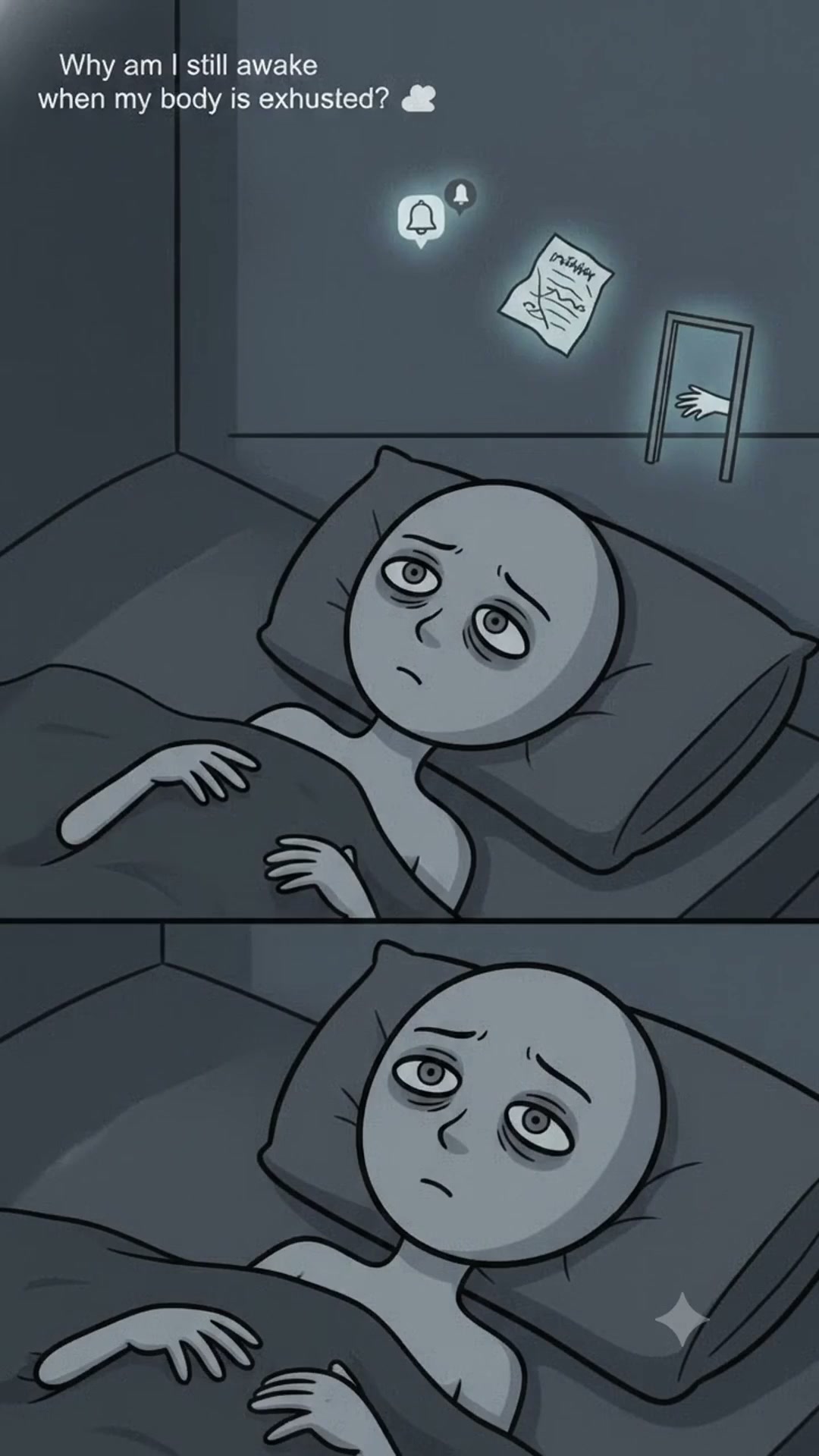
Exhausted Body, Active Mind: Navigating the Midnight Thought Loop
An empathetic guide to understanding why your mind keeps scanning when your body craves sleep, and how to gently invite rest.

The Silent Echo: Healing When Hurt Leads to Avoidant Abandonment
An empathetic exploration into the deep ache of being left with unaddressed pain, and how to gently guide your nervous system back to internal safety.
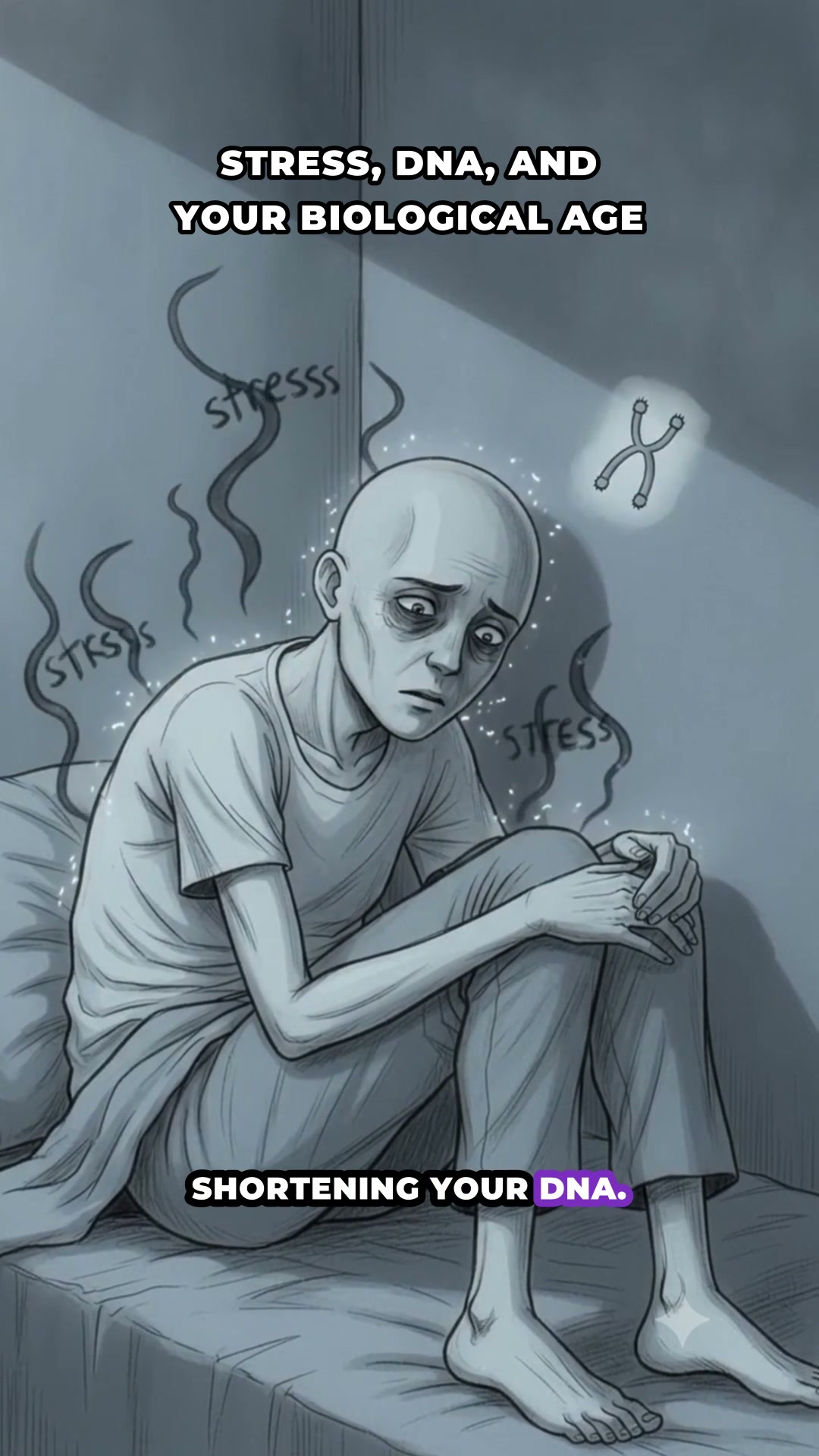
Stress is Shortening Your DNA: How Calm Can Rebuild It
Explore the profound science behind how chronic stress impacts your cellular health and how simple moments of calm can activate your body's natural repair mechanisms.
When Silence Feels Too Loud: Finding Safety in the Stillness of Night
Explore why your mind craves ambient sound to feel safe enough to rest, and how to gently soothe the fear of midnight silence.
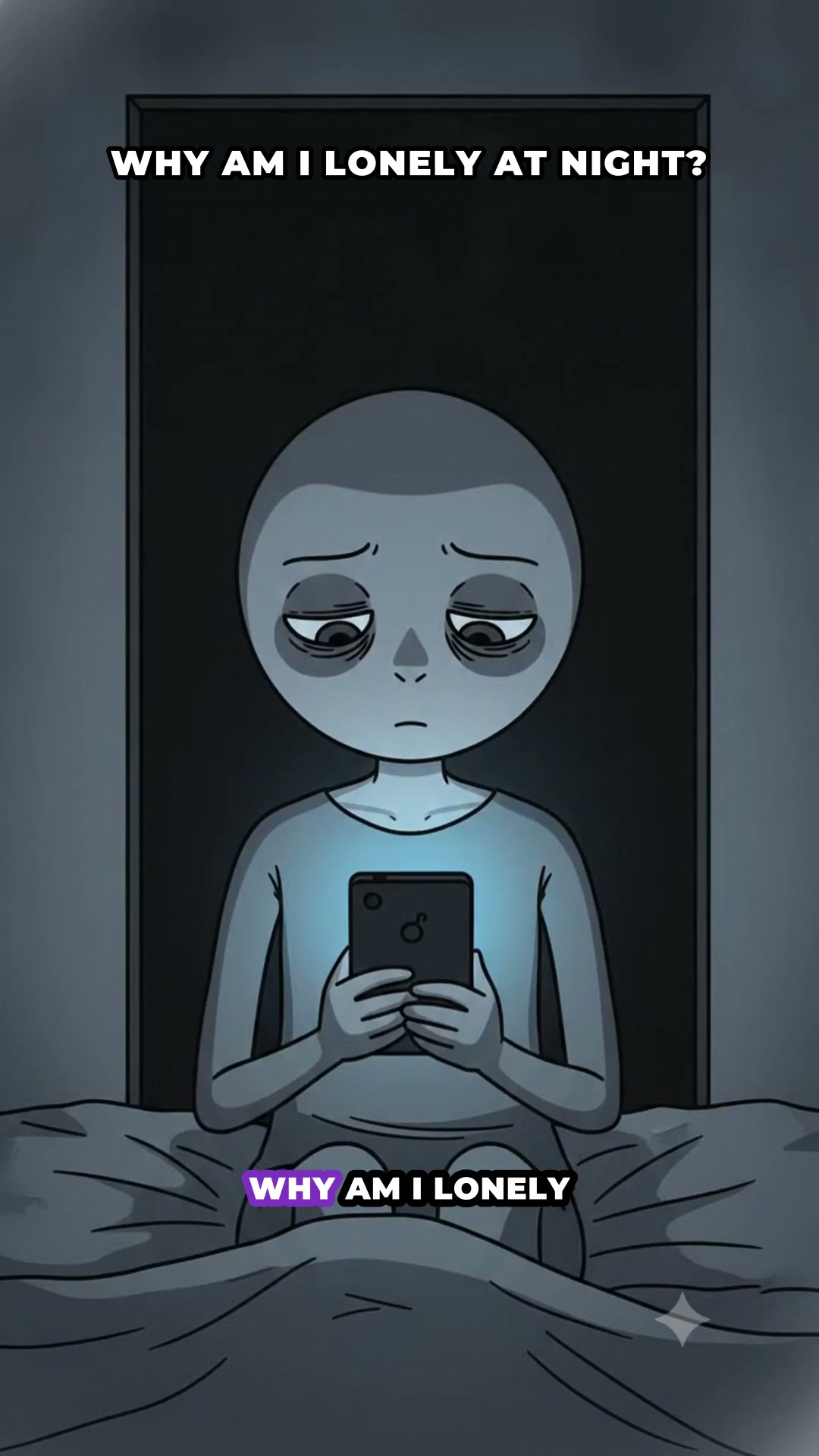
When Midnight Silence Amplifies Loneliness: Finding Gentle Company in the Quiet
An empathetic exploration into why the quiet of night can intensify feelings of isolation, and how your nervous system seeks gentle presence to feel safe enough to rest.

When Whispers Linger: Cultivating Unshakeable Inner Calm at Bedtime
An empathetic guide to finding your inner sanctuary and peace when the echoes of external judgment disrupt your rest.
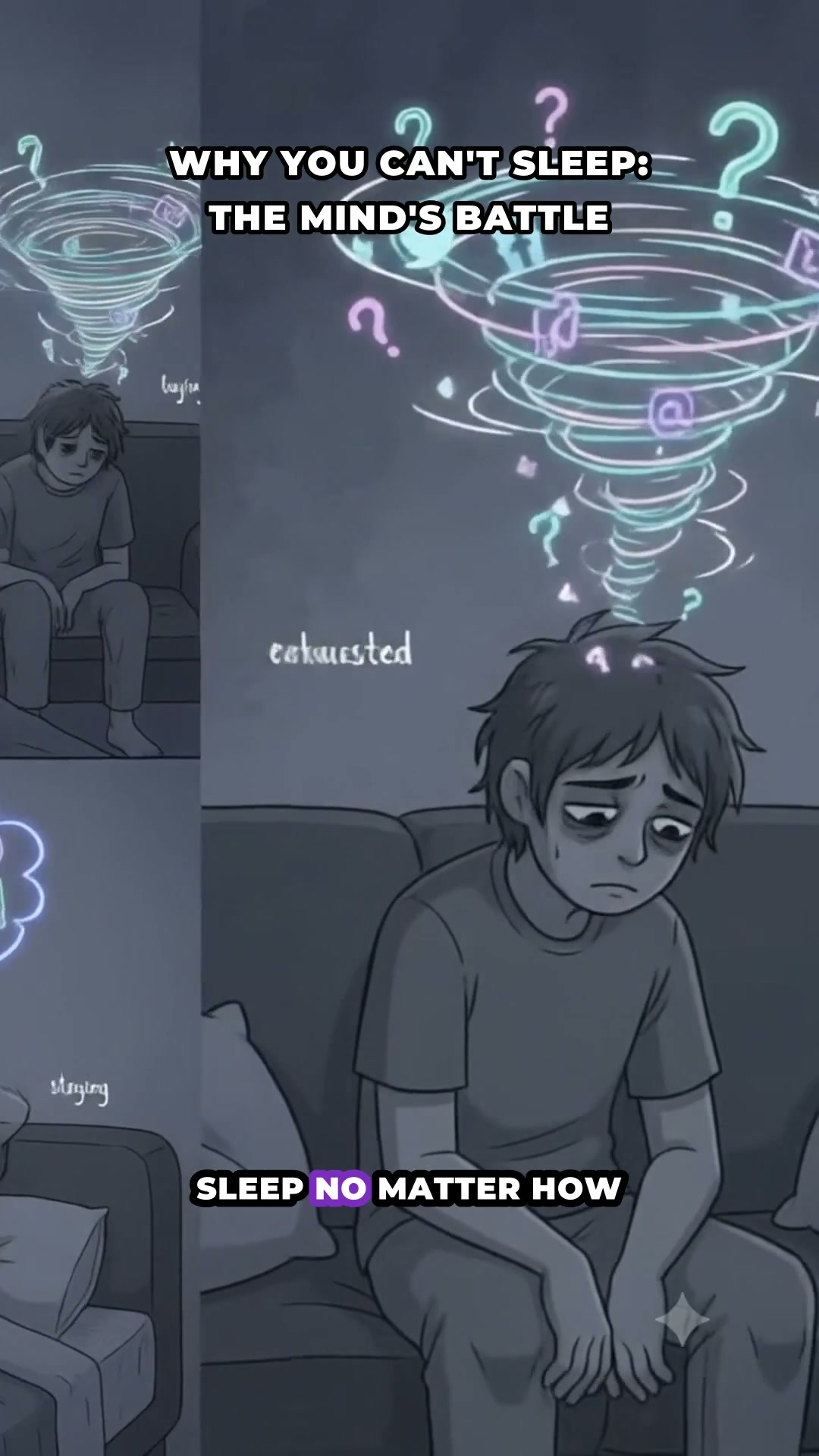
The Quiet Battle: Why Your Mind Stays Alert When Your Body Craves Rest
An empathetic exploration into why your mind enters survival mode at night, preventing rest even when exhausted, and how to gently invite safety back.