COLONIC HYDRATION DYNAMICS & PHYTOTHERAPY
Cucumber, Mint & Chia Fusion: Intestinal Hydration Kinetics, Mucilage Hydrogels & Colon Motility
3D cellular visualization of gut enterocyte biology: examining how Chia seed mucilage hydrogels, Cucumber Cucurbitacins, and Mint Menthol lubricate colon transit and replenish electrolytes.
Science Verdict Meter
Remedy Reliability Score
Scientific Verdict
Robust physiological and clinical validation for colonic hydration, stool softening, and electrolyte balance
Primary Benefit
Physiological stool softening, enterocyte barrier hydration, and relief from spastic bowel discomfort
Safety Level
Low Risk (Safe)
Hydrophilic mucilage in chia seeds swells up to 12x its mass, anchoring water inside the colonic lumen while Cucurbitacins soothe enterocyte inflammation and Menthol halts irritable bowel spasms. The ultimate physiological hydration and bowel regularity protocol.
1. Standard Ingredients
- Fresh English cucumber, thinly sliced1/2 cucumber (100g)
- Fresh mint leaves, lightly bruised6 - 8 leaves
- Organic black chia seeds1 tbsp (12g)
- Filtered water (cool or room temperature)500 - 600ml
2. Preparation Steps
- 1Add chia seeds into the water bottle; agitate vigorously for 30 seconds to prevent seed clumping at the base.
- 2Drop in sliced cucumber and bruised mint leaves.
- 3Allow the infusion to stand for 15-20 minutes at room temperature (or chilled) until transparent gelatinous halos envelop every seed.
- 4Sip steadily throughout the morning hours or post-workout hydration windows.
- ✕NEVER ingest dry chia seeds followed by minimal water (seeds expand in the esophagus posing catastrophic choking risks).
- ✕Do not exceed 3 tablespoons daily if unaccustomed to high fiber diets to avoid transient flatulence.
- ✕Discontinue 48 hours prior to planned endoscopic bowel procedures.
Check Your Suitability
Answer 3 quick questions (15 seconds) to confirm whether this colonic hydration drink is appropriate for you.
#1.
#2.
#3.
1. Colonic Hydrodynamics: Chia Mucilage Polysaccharide Network
Chia seeds (Salvia hispanica) feature an exquisite epicarp enveloped in high molecular weight, branched polysaccharide mucilage rich in D-xylose, D-glucose, and 4-O-methyl-D-glucuronic acid.
Upon aqueous immersion, these carbohydrate matrices untangle, binding water molecules through extensive hydrogen bonding and expanding up to twelvefold.
Traversing the gastrointestinal tract, the resulting biocompatible hydrogel resists upper intestinal enzymatic cleavage. Within the colon, it shields fecal matter against excessive water reabsorption by mucosal enterocytes, preventing hard, scybalous stool formation.
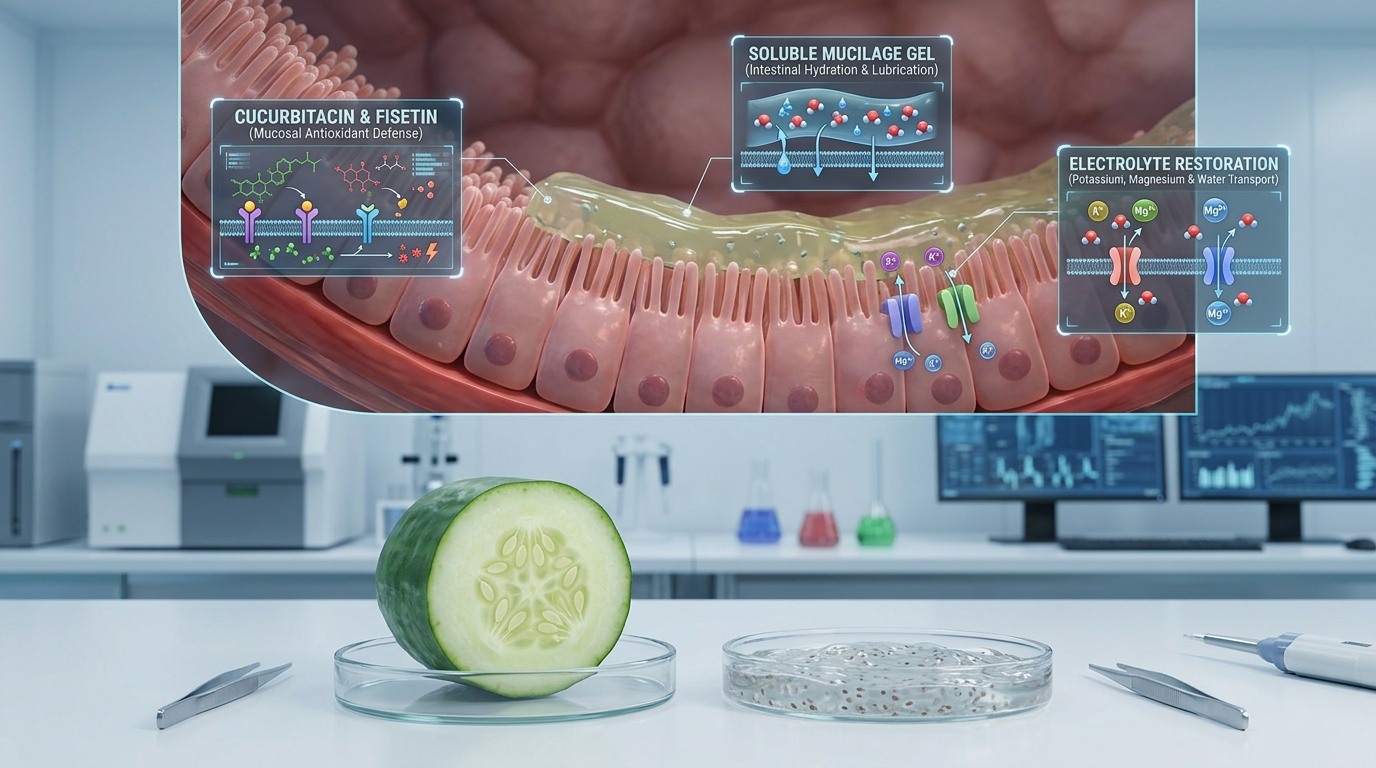
2. Synergistic Phytochemistry: Cucurbitacin Protection & Menthol Spasmolysis
Cucumbers provide alkaline structured cellular water and triterpenoid Cucurbitacins B and E. Clinical models demonstrate that Cucurbitacins downregulate inflammatory cytokine cascades within intestinal lamina propria.
Concurrently, natural L-Menthol derived from Mentha piperita diffuses across mucosal membranes to block voltage-sensitive calcium channels, abating visceral hyperalgesia and painful peristaltic cramps.
- Restores intracellular potassium and magnesium electrolytes to support cell membrane potential.
- Serves as a gentle prebiotic substratum, fostering short-chain fatty acid (SCFA) producing beneficial flora.
- Enhances systemic hydration biomarkers, improving cellular turnover and renal clearance.
Check Your Suitability
Answer 3 quick questions (15 seconds) to confirm whether this colonic hydration drink is appropriate for you.
#1.
#2.
#3.
Myth vs. Science: Social Media Fact-Check
Cucumber chia detox water flushes out 10 years of impacted toxic sludge from your colon walls.
Metabolic clearance is orchestrated exclusively by the liver and kidneys; chia water acts as an osmotic stool lubricant that prevents fecal impaction and cellular dehydration.
Consuming detox water alone can safely replace balanced meals for rapid 5kg weekly weight loss.
Severe caloric deprivation leads to lean muscle loss and electrolyte disequilibrium; this recipe is intended as an adjuvant hydration fluid.
Frequently Asked Questions
Sources
Food Hydrocolloids: Structural Characterization of Chia Seed Mucilage ↗Digestive Diseases and Sciences: Clinical Efficacy of Menthol in Colonic Spasms ↗PubMed: Anti-inflammatory biological activities of Cucurbitacins ↗Explore More Molecular Analyses & Remedy Checks
Cellular mechanics, phytochemical evaluations, and clinical safety screenings.
Coffee & Spice Infusions: A Scientific Companion to Targeted Wellness
Integrating specific spices into your coffee can leverage their bioactive compounds for enhanced physiological benefits, from blood sugar regulation to cognitive support and digestive comfort.
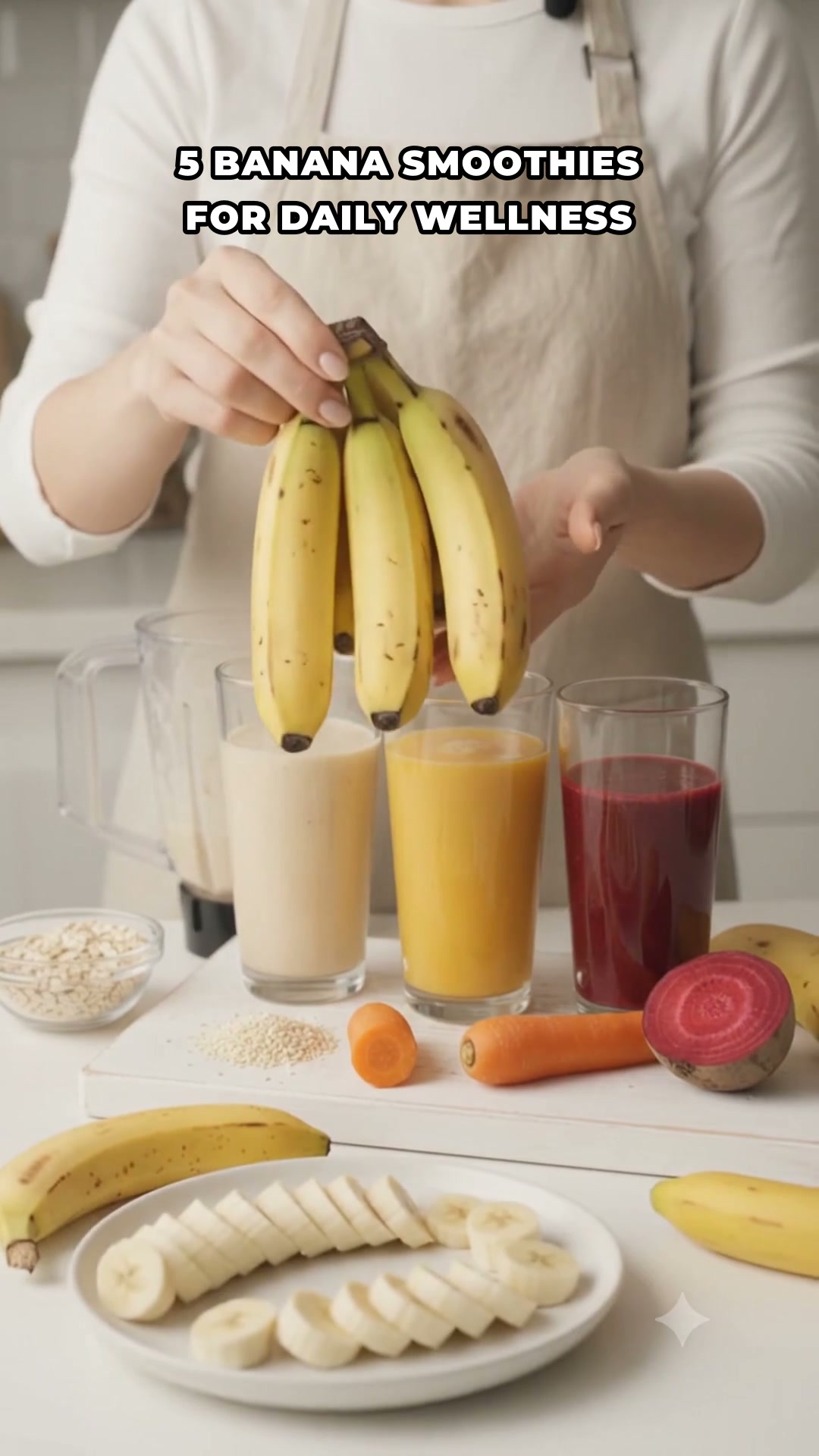
Gut Microbiome Modulation: The Synergistic Actions of Pectin, Fiber, and Actinidin from Apple, Chia, and Kiwi
This fiber-rich smoothie promotes healthy digestion and gut motility, but does not offer a 'colon flush' or cure chronic inflammation.
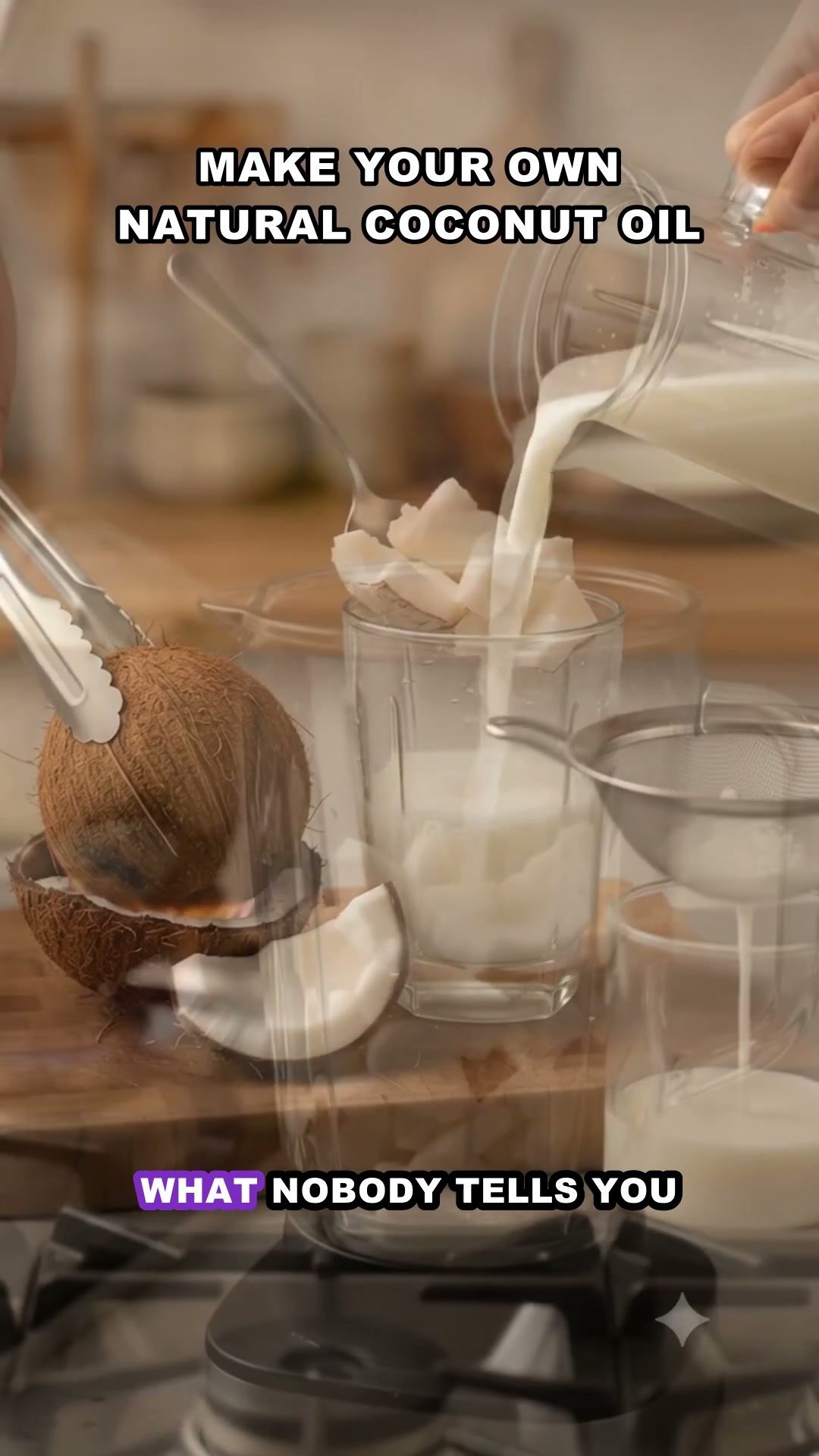
Homemade Coconut Oil: Unpacking the Phytochemistry of Medium-Chain Triglycerides
Homemade coconut oil provides a rich source of MCTs, particularly lauric acid, offering unique metabolic and antimicrobial properties, but requires mindful consumption due to its caloric density.

Synergistic Health Benefits of Spiced Coffee: A Biomedical Perspective
Incorporating specific spices into coffee can leverage their bioactive compounds to support blood sugar control, cognitive function, stress reduction, and metabolic health.
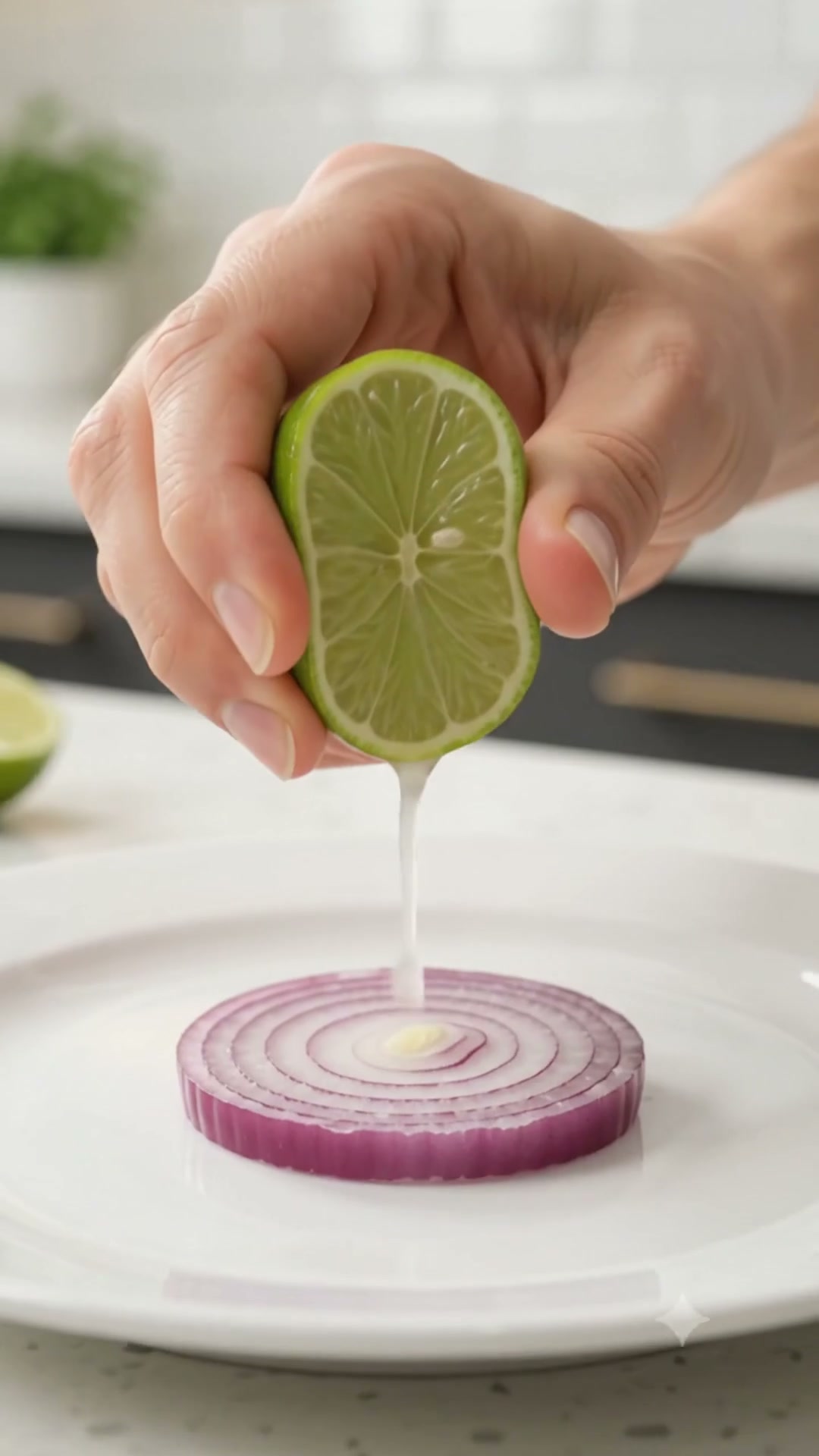
Homemade Cough Syrup: Unpacking the Science of Onion, Garlic, Lemon, and Honey
Onion, garlic, lemon, and honey offer a synergistic blend of compounds with potential benefits for soothing coughs and throat irritation.

Ginger, Calamansi, and Honey: Unpacking the Science of a Natural Wellness Elixir
This traditional blend offers synergistic anti-inflammatory, immune-supportive, and antimicrobial benefits, particularly for mild respiratory symptoms.

Turmeric: A Scientific Companion to Its Anti-inflammatory and Antioxidant Potentials
Turmeric, particularly its curcuminoids, offers potent anti-inflammatory and antioxidant benefits, with piperine significantly enhancing its systemic bioavailability.

Matcha: The Synergistic Science of Sustained Focus and Cognitive Enhancement
Matcha's unique combination of L-theanine and caffeine promotes calm, sustained focus by modulating brain waves and neurotransmitter activity.

Ginger's Therapeutic Potential: A Biomedical Review of Digestion, Inflammation, and Cellular Defense
Daily ginger intake can significantly support digestive comfort, mitigate nausea, and contribute to a healthy inflammatory and antioxidant status through its potent bioactive compounds.

Water-Cooked Chicken: The Science of Reducing AGEs and Preserving Protein Integrity
Cooking chicken in water instead of deep-frying drastically lowers calorie density and harmful glycation compounds.