BOTANICAL ANTIMICROBIAL SCIENCE & IMMUNOLOGY
Fermented Garlic & Raw Honey: Allicin Molecular Kinetics & Upper Respiratory Epithelial Defense
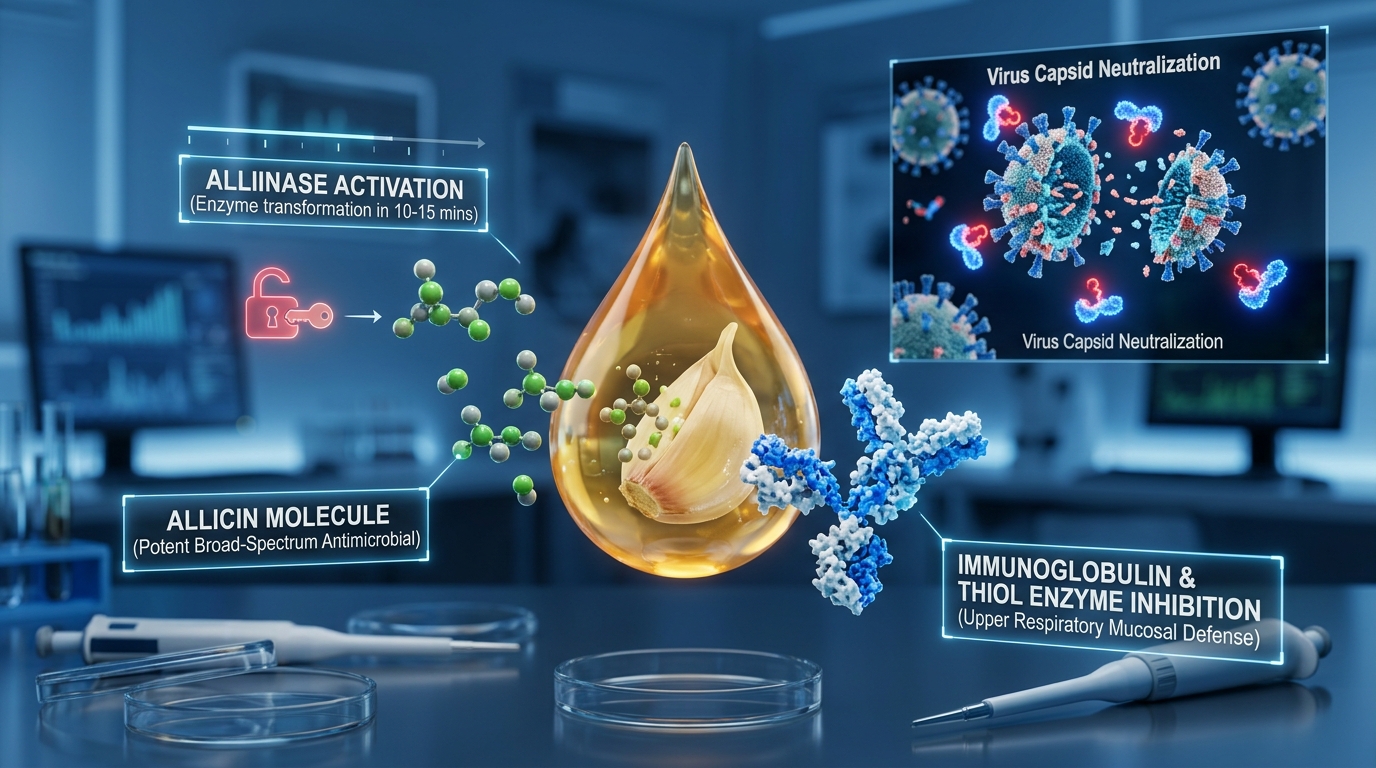
3D biochemical simulation of antimicrobial phytotherapy: how Alliinase enzymatic cleavage yields Allicin, preserved within acidic raw honey (pH 3.9) to neutralize viral capsids and respiratory bacteria.
Science Verdict Meter
Remedy Reliability Score
Scientific Verdict
Extensively documented antimicrobial, antiviral, and cold duration reduction properties across clinical studies
Primary Benefit
Inhibits pharyngeal bacterial colonization, liquefies mucus, and augments macrophage phagocytic activity
Safety Level
Low Risk (Safe)
Crushing garlic releases alliinase to convert alliin into bioactive Allicin in 10-15 minutes. Submerging in raw honey creates a micro-acidic anaerobic shield that halts oxidation, inactivating microbial thiol enzymes and fortifying respiratory mucosa.
1. Standard Ingredients
- Fresh mature garlic cloves, peeled10 cloves (~50g)
- Raw unpasteurized wildflower honey150ml
- Sterilized airtight glass jar250ml capacity
2. Preparation Steps
- 1Bruise each garlic clove lightly with a flat chef’s knife (do not mince); expose to air for 10-15 minutes to allow alliinase to convert alliin to allicin completely.
- 2Pack cloves into the glass jar; submerge entirely under raw honey. Seal the lid securely.
- 3Store at dark room temperature for 7 to 14 days; burp the lid daily during the first week to vent natural fermentation gases.
- 4Usage: Consume 1 teaspoon of the infused honey (and 1 softened clove) mixed into 100ml warm water (40°C) at the earliest sign of pharyngitis.
- ✕NEVER administer to infants under 12 months of age (severe risk of infant botulism from raw honey Clostridium spores).
- ✕Do not boil above 60°C (thermal denaturation permanently destroys allicin and honey defensin peptides).
- ✕Exercise caution if on systemic anticoagulant therapy due to antiplatelet properties.
Check Your Suitability
Answer 3 quick questions (15 seconds) to verify safe consumption of fermented garlic honey.
#1.
#2.
#3.
1. Reaction Kinetics: Alliinase Activation & Allicin Trapping in Honey Matrix
Fresh Allium sativum does not natively store Allicin; instead, it synthesizes the precursor amino acid S-allyl-L-cysteine sulfoxide (Alliin).
Mechanical rupture of cell membranes liberates the pyridoxal phosphate-dependent enzyme Alliinase from cytosolic compartments, cleaving Alliin into reactive allylsulfenic acid, which spontaneously dimerizes into Diallyl thiosulfinate (Allicin).
Because Allicin degrades in hot or alkaline settings, raw honey serves as an optimal biological preservative. The high osmotic pressure (low water activity $a_w < 0.6$) and acidic gluconic acid medium ($pH approx 3.9$) stabilize organosulfur structures, promoting slow transformation into therapeutic ajoene complexes.
2. Antimicrobial Mode of Action: Thiol Enzyme Cross-Linking & Membrane Disruption
Unlike conventional pharmaceuticals that target single receptor sites, Allicin exerts broad-spectrum biophysical and biochemical pathogen clearance.
Its amphiphilic structure permits rapid trans-membrane diffusion across bacterial peptidoglycan layers and viral lipid envelopes. Intracellularly, Allicin rapidly cross-links with free sulfhydryl (-SH) moieties on microbial thiol-containing enzymes, including alcohol dehydrogenase and RNA polymerase.
This broad enzymatic inactivation halts pathogen proliferation, eliminating common respiratory invaders like Streptococcus pyogenes and influenza viral particles.
- Stimulates alveolar macrophage phagocytosis and respiratory burst efficiency.
- Honey glucose oxidase generates micro-doses of hydrogen peroxide for surface antisepsis.
- Gluconic acid buffers pharyngeal nerve endings, suppressing neurogenic cough reflexes.
Check Your Suitability
Answer 3 quick questions (15 seconds) to verify safe consumption of fermented garlic honey.
#1.
#2.
#3.
Myth vs. Science: Social Media Fact-Check
Garlic fermented in honey for 10 years becomes infinitely more potent and never expires.
Bioactive allicin peaks within 1-3 months and steadily degrades after 6 months; improper moisture management risks mold or excessive sour fermentation.
Daily garlic honey intake cures or guarantees complete prevention against all cancers.
Organosulfur molecules scavenge free radicals and support cell repair, but cannot replace oncological therapeutics.
Frequently Asked Questions
Sources
Molecules: Chemistry and Biological Properties of Allicin ↗Cochrane Library: Garlic for the common cold RCTs ↗Microbiology Spectrum: Synergistic antimicrobial efficacy of garlic and honey ↗Explore More Molecular Analyses & Remedy Checks
Cellular mechanics, phytochemical evaluations, and clinical safety screenings.
Coffee & Spice Infusions: A Scientific Companion to Targeted Wellness
Integrating specific spices into your coffee can leverage their bioactive compounds for enhanced physiological benefits, from blood sugar regulation to cognitive support and digestive comfort.
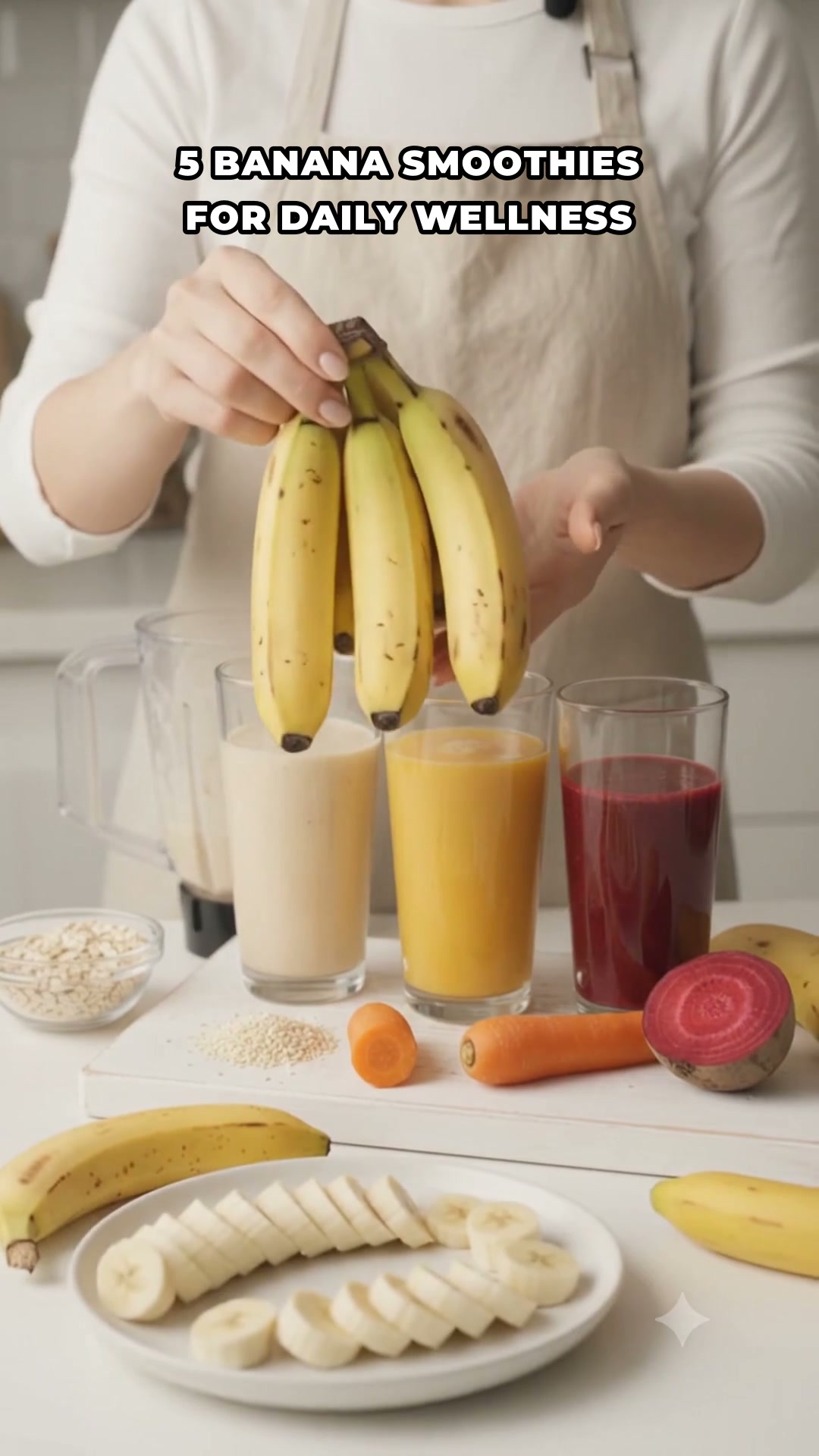
Gut Microbiome Modulation: The Synergistic Actions of Pectin, Fiber, and Actinidin from Apple, Chia, and Kiwi
This fiber-rich smoothie promotes healthy digestion and gut motility, but does not offer a 'colon flush' or cure chronic inflammation.
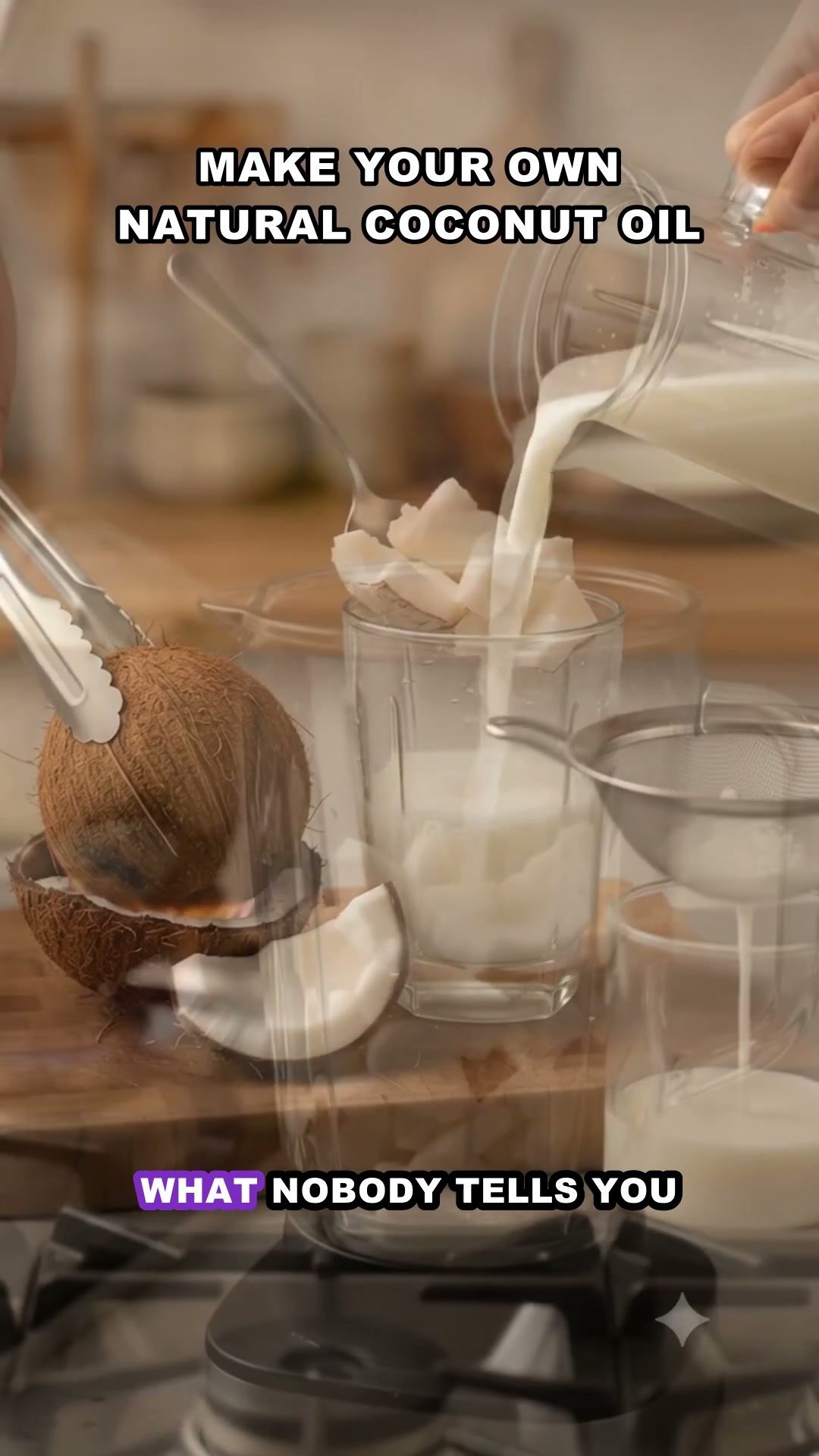
Homemade Coconut Oil: Unpacking the Phytochemistry of Medium-Chain Triglycerides
Homemade coconut oil provides a rich source of MCTs, particularly lauric acid, offering unique metabolic and antimicrobial properties, but requires mindful consumption due to its caloric density.

Synergistic Health Benefits of Spiced Coffee: A Biomedical Perspective
Incorporating specific spices into coffee can leverage their bioactive compounds to support blood sugar control, cognitive function, stress reduction, and metabolic health.
Homemade Cough Syrup: Unpacking the Science of Onion, Garlic, Lemon, and Honey
Onion, garlic, lemon, and honey offer a synergistic blend of compounds with potential benefits for soothing coughs and throat irritation.

Ginger, Calamansi, and Honey: Unpacking the Science of a Natural Wellness Elixir
This traditional blend offers synergistic anti-inflammatory, immune-supportive, and antimicrobial benefits, particularly for mild respiratory symptoms.

Turmeric: A Scientific Companion to Its Anti-inflammatory and Antioxidant Potentials
Turmeric, particularly its curcuminoids, offers potent anti-inflammatory and antioxidant benefits, with piperine significantly enhancing its systemic bioavailability.

Matcha: The Synergistic Science of Sustained Focus and Cognitive Enhancement
Matcha's unique combination of L-theanine and caffeine promotes calm, sustained focus by modulating brain waves and neurotransmitter activity.
Ginger's Therapeutic Potential: A Biomedical Review of Digestion, Inflammation, and Cellular Defense
Daily ginger intake can significantly support digestive comfort, mitigate nausea, and contribute to a healthy inflammatory and antioxidant status through its potent bioactive compounds.

Water-Cooked Chicken: The Science of Reducing AGEs and Preserving Protein Integrity
Cooking chicken in water instead of deep-frying drastically lowers calorie density and harmful glycation compounds.