GASTRIC MOTILITY PHARMACOLOGY & ENZYMATIC ACTIVATION
Ginger & Clove Infusion: Smooth Muscle Antispasmodic Mechanism & Gastric Emptying Acceleration
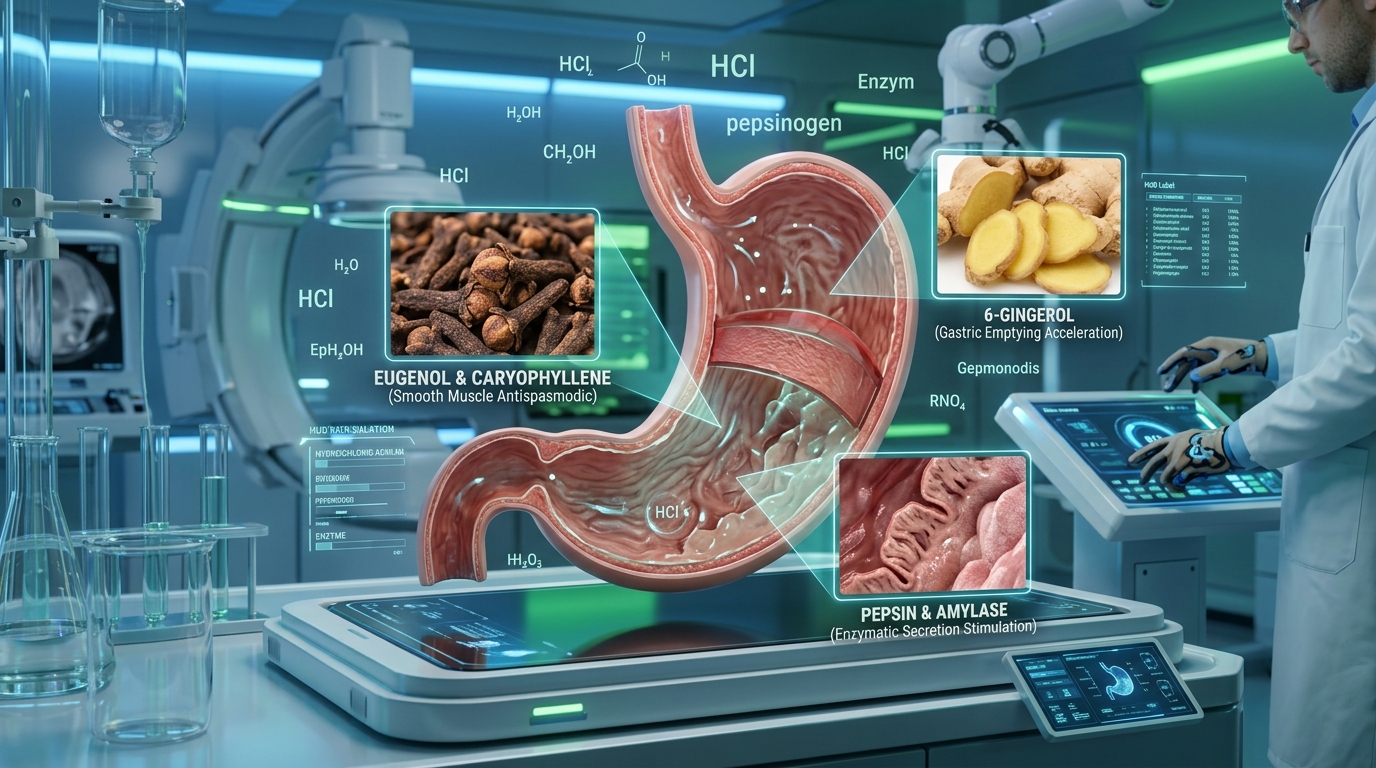
3D pharmacological simulation of gastric motility: exploring how Eugenol, 6-Gingerol, and Caryophyllene block calcium influx, relieve smooth muscle cramping, and accelerate digestive clearance.
Science Verdict Meter
Remedy Reliability Score
Scientific Verdict
Pharmacopeia-verified antispasmodic and prokinetic properties for upper gastrointestinal relief
Primary Benefit
Relaxes pyloric sphincter spasms, evacuates entrapped gas bubbles, and suppresses acute nausea
Safety Level
Low Risk (Safe)
Eugenol in cloves selectively blocks L-type calcium channels to relax gastric smooth muscle spasms, while Gingerols double gastric emptying rates and stimulate pancreatic secretions. Alleviates postprandial bloating within 30-45 minutes.
1. Standard Ingredients
- Whole dried clove buds3 - 4 buds
- Fresh ginger root, thinly sliced3 slices (10g)
- Raw organic honey (optional)1/2 tsp
- Boiling purified water250ml (90 - 95°C)
2. Preparation Steps
- 1Place whole clove buds and sliced ginger into a ceramic mug or tea infuser.
- 2Pour 250ml boiling water over the botanicals; cover with a saucer for 7-10 minutes to prevent volatile vapor loss.
- 3Stir in raw honey if desired; sip slowly while comfortably warm.
- ✕Do not exceed 6 clove buds per serving (excess eugenol irritates oral and gastric mucosa).
- ✕Avoid during acute peptic ulcer hemorrhages or mucosal perforations.
- ✕First trimester pregnancy requires physician oversight due to mild uterine tonicity stimulation.
Check Your Suitability
Answer 3 quick questions (15 seconds) to determine whether this digestive tea is safe for your condition.
#1.
#2.
#3.
1. Eugenol Pharmacodynamics: Calcium Influx Blockade on Smooth Muscle
Cloves (Syzygium aromaticum) represent the richest botanical reservoir of volatile Eugenol, constituting up to 85% of total essential oil volume.
Electrophysiological investigations establish that Eugenol serves as an organic antagonist of L-type voltage-dependent calcium channels across visceral muscularis externa.
By attenuating transmembrane $Ca^{2+}$ flux, Eugenol interrupts calmodulin-dependent myosin light-chain kinase (MLCK) phosphorylation. This action uncouples sustained actin-myosin contraction, extinguishing visceral spasms within minutes.
2. Prokinetic Action of 6-Gingerol: Accelerating Gastric Clearance
Postprandial dyspepsia frequently stems from prolonged gastric retention, where carbohydrate and fat residues undergo anaerobic bacterial fermentation, generating distressing volumes of $CO_2$ and methane.
Double-blind randomized controlled trials published in the European Journal of Gastroenterology demonstrate that bioactive 6-Gingerol significantly accelerates the gastric emptying half-time from 26.7 minutes down to 13.1 minutes.
Simultaneously, stimulation of pancreatic secretion enhances luminal availability of amylase and lipase, ensuring complete macronutrient breakdown prior to ileal entry.
- Relieves gaseous distension across the gastric fundus and antroduodenal junction.
- Antagonizes neurokinin-1 (NK1) receptors to abate autonomic nausea triggers.
- Increases mucosal microcirculation, promoting epithelial protective mucus synthesis.
Check Your Suitability
Answer 3 quick questions (15 seconds) to determine whether this digestive tea is safe for your condition.
#1.
#2.
#3.
Myth vs. Science: Social Media Fact-Check
Drinking highly concentrated clove tea permanently cures Helicobacter pylori infection.
Eugenol shows in-vitro bacteriostatic activity but cannot replace multi-drug clinical eradication protocols; overdosing causes mucosal burns.
Severe sharp abdominal cramps should always be treated with hot ginger tea.
Acute surgical emergencies (appendicitis, pancreatitis) strictly contraindicate hot herbal infusions, which mask diagnostic symptoms.
Frequently Asked Questions
Sources
European Journal of Gastroenterology & Hepatology - Ginger and Gastric Emptying ↗Phytotherapy Research: Spasmolytic Mechanisms of Clove Essential Oils ↗World Journal of Gastrointestinal Pharmacology - Botanical Prokinetics ↗Explore More Molecular Analyses & Remedy Checks
Cellular mechanics, phytochemical evaluations, and clinical safety screenings.

Coffee & Spice Infusions: A Scientific Companion to Targeted Wellness
Integrating specific spices into your coffee can leverage their bioactive compounds for enhanced physiological benefits, from blood sugar regulation to cognitive support and digestive comfort.
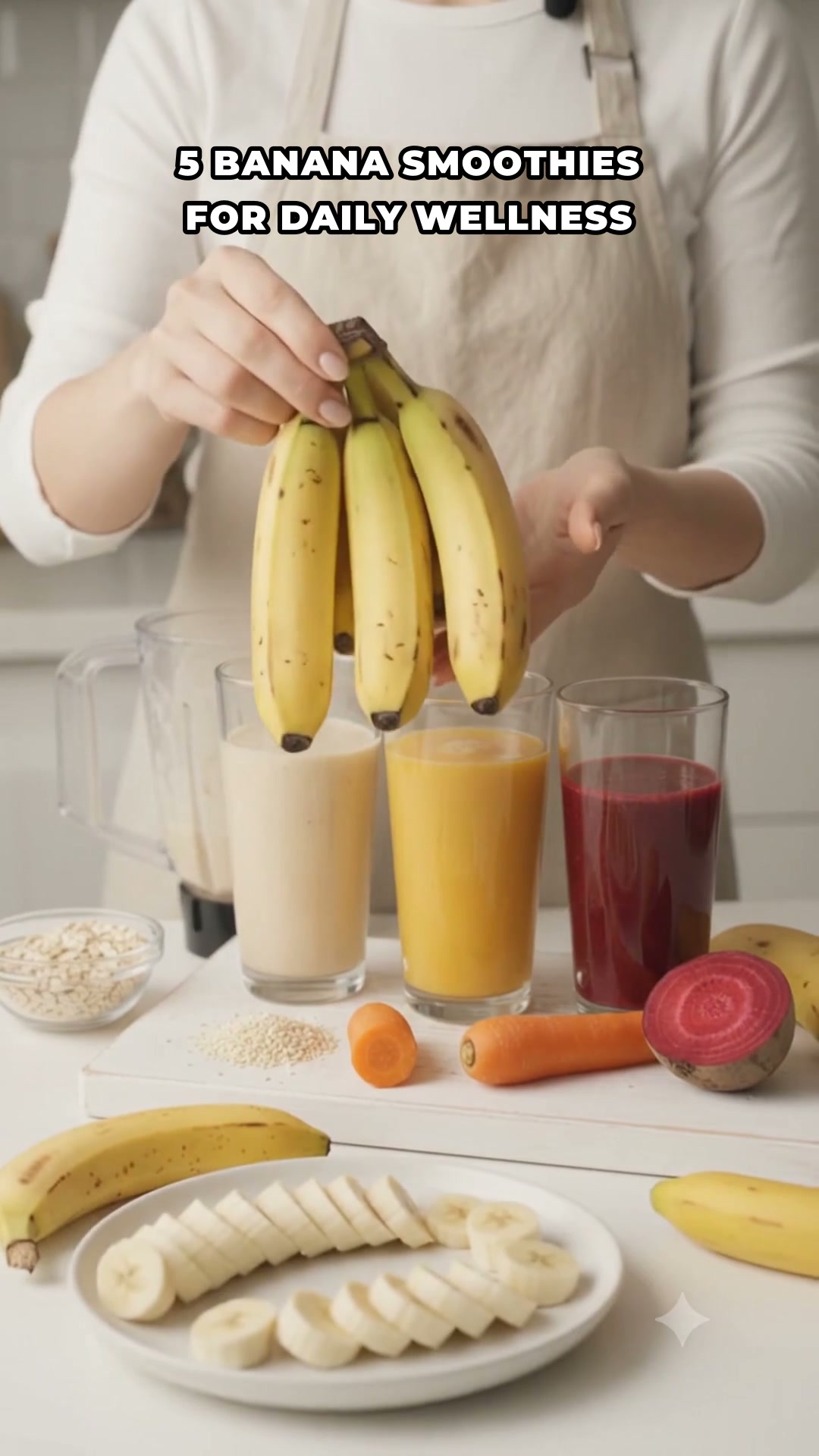
Gut Microbiome Modulation: The Synergistic Actions of Pectin, Fiber, and Actinidin from Apple, Chia, and Kiwi
This fiber-rich smoothie promotes healthy digestion and gut motility, but does not offer a 'colon flush' or cure chronic inflammation.

Homemade Coconut Oil: Unpacking the Phytochemistry of Medium-Chain Triglycerides
Homemade coconut oil provides a rich source of MCTs, particularly lauric acid, offering unique metabolic and antimicrobial properties, but requires mindful consumption due to its caloric density.

Synergistic Health Benefits of Spiced Coffee: A Biomedical Perspective
Incorporating specific spices into coffee can leverage their bioactive compounds to support blood sugar control, cognitive function, stress reduction, and metabolic health.
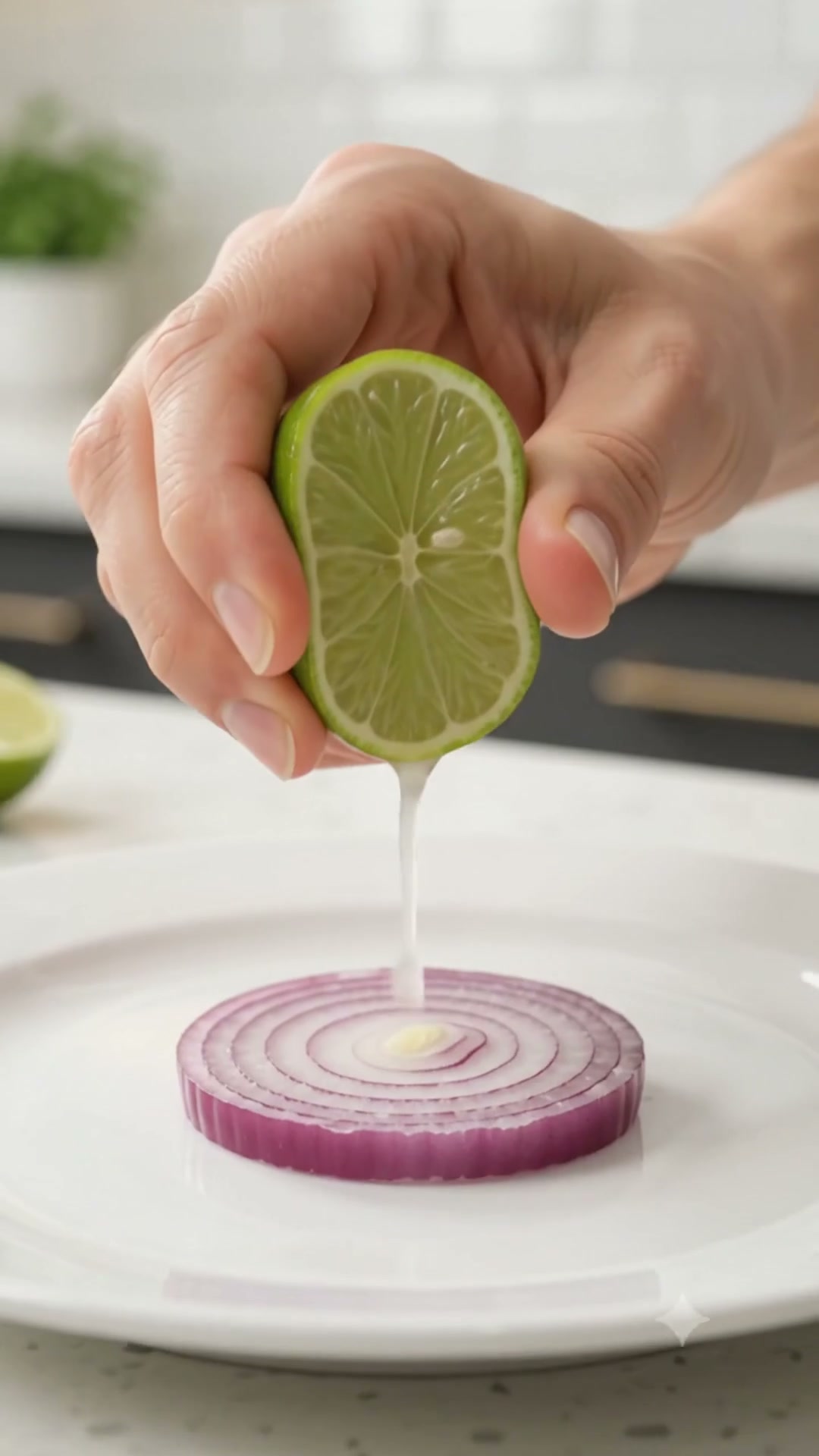
Homemade Cough Syrup: Unpacking the Science of Onion, Garlic, Lemon, and Honey
Onion, garlic, lemon, and honey offer a synergistic blend of compounds with potential benefits for soothing coughs and throat irritation.

Ginger, Calamansi, and Honey: Unpacking the Science of a Natural Wellness Elixir
This traditional blend offers synergistic anti-inflammatory, immune-supportive, and antimicrobial benefits, particularly for mild respiratory symptoms.

Turmeric: A Scientific Companion to Its Anti-inflammatory and Antioxidant Potentials
Turmeric, particularly its curcuminoids, offers potent anti-inflammatory and antioxidant benefits, with piperine significantly enhancing its systemic bioavailability.

Matcha: The Synergistic Science of Sustained Focus and Cognitive Enhancement
Matcha's unique combination of L-theanine and caffeine promotes calm, sustained focus by modulating brain waves and neurotransmitter activity.
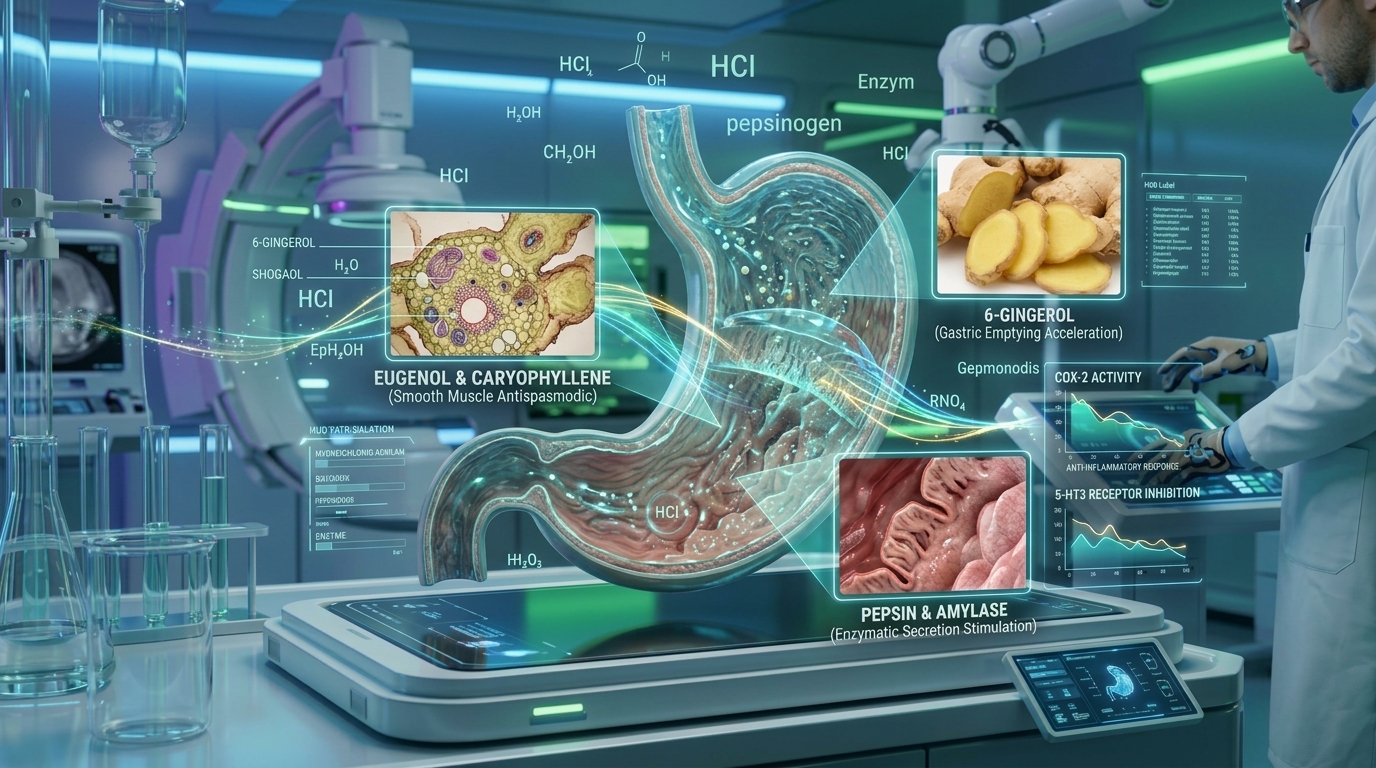
Ginger's Therapeutic Potential: A Biomedical Review of Digestion, Inflammation, and Cellular Defense
Daily ginger intake can significantly support digestive comfort, mitigate nausea, and contribute to a healthy inflammatory and antioxidant status through its potent bioactive compounds.

Water-Cooked Chicken: The Science of Reducing AGEs and Preserving Protein Integrity
Cooking chicken in water instead of deep-frying drastically lowers calorie density and harmful glycation compounds.