CLINICAL NEUROSCIENCE & NUTRITION
Matcha: The Synergistic Science of Sustained Focus and Cognitive Enhancement
An evidence-based analysis of matcha's unique blend of L-theanine and caffeine for enhanced cognitive function and sustained energy without the jitters.
Science Verdict Meter
Remedy Reliability Score
Scientific Verdict
Matcha's unique L-theanine and caffeine profile promotes sustained alpha-wave activity, enhancing calm focus and cognitive performance.
Primary Benefit
Enhances sustained attention, reduces caffeine-induced jitters, and provides potent antioxidant support.
Safety Level
Moderate Risk (Caution)
Matcha's unique combination of L-theanine and caffeine promotes calm, sustained focus by modulating brain waves and neurotransmitter activity.
1. Standard Ingredients
- Ceremonial grade matcha powder1-2g (1/2 tsp)
- Hot water (70-80°C / 160-175°F)60-80ml (2-3 oz)
- Fresh lemon juice1 tsp
- Raw honey1/2 tsp
2. Preparation Steps
- 1Step 1: Place sifted matcha powder into a small bowl or cup.
- 2Step 2: Add hot water (not boiling) and whisk vigorously with a bamboo whisk (chasen) or small frother until frothy and smooth.
- 3Step 3: Stir in fresh lemon juice and honey if desired, ensuring they are fully incorporated. Sip mindfully or consume before a demanding task.
- ✕Do not use boiling water, as it can degrade catechins and create a bitter taste.
- ✕Avoid excessive consumption, especially if sensitive to caffeine, to prevent potential sleep disturbances or anxiety.
- ✕Do not add artificial sweeteners or high-fructose syrups, which can negate health benefits and spike blood sugar.
Check Your Suitability for Matcha
Answer 3 quick questions (15 seconds) to confirm suitability.
#1. Do you have a clinical history of severe anxiety, panic attacks, or extreme caffeine sensitivity?
#2. Are you pregnant, breastfeeding, or currently taking blood-thinning medications?
#3. How do you intend to incorporate matcha into your daily routine?
1. Molecular Mechanisms & Cellular Neurobiology
Matcha's unique neurocognitive benefits stem primarily from the synergistic interaction between L-theanine and caffeine. L-theanine, an amino acid, readily crosses the blood-brain barrier, increasing alpha brain wave activity, which is associated with a state of relaxed alertness and enhanced focus.
Concurrently, caffeine acts as an adenosine receptor antagonist, blocking the effects of adenosine, a neurotransmitter that promotes drowsiness. L-theanine modulates the stimulating effects of caffeine, reducing potential jitters and anxiety while promoting sustained attention and improved executive function through its influence on dopamine and serotonin pathways.

2. Scientific Evaluation & Practical Safety Guidance
Clinical studies have demonstrated that the combination of L-theanine and caffeine, as found in matcha, significantly improves attention, reaction time, and memory compared to caffeine alone. This unique profile supports prolonged periods of cognitive demand, such as during meditation or intense work sessions.
Beyond its cognitive effects, matcha is exceptionally rich in epigallocatechin gallate (EGCG), a potent antioxidant catechin. EGCG contributes to cellular protection against oxidative stress and inflammation, offering broader health benefits including cardiovascular support and metabolic regulation.
- Synergistic effect of L-theanine and caffeine enhances calm, sustained cognitive function.
- Rich in powerful antioxidants, particularly EGCG, supporting cellular health and reducing oxidative stress.
- Promotes alpha brain wave activity, leading to improved focus, attention, and a relaxed state without typical caffeine side effects.
Check Your Suitability for Matcha
Answer 3 quick questions (15 seconds) to confirm suitability.
#1. Do you have a clinical history of severe anxiety, panic attacks, or extreme caffeine sensitivity?
#2. Are you pregnant, breastfeeding, or currently taking blood-thinning medications?
#3. How do you intend to incorporate matcha into your daily routine?
Myth vs. Science: Social Media Fact-Check
Matcha is just a stronger version of regular green tea with more caffeine.
Matcha is shade-grown, stone-ground whole tea leaves, leading to a significantly higher concentration of L-theanine, caffeine, and EGCG compared to steeped green tea, offering distinct physiological effects.
Matcha causes the same jitters and energy crash as coffee.
The high L-theanine content in matcha synergizes with caffeine to induce a state of calm alertness, reducing the typical jitters, anxiety, and subsequent energy crash often associated with coffee.
Frequently Asked Questions
Sources
NCBI / PubMed: L-theanine and caffeine in combination on cognition and mood ↗PubMed: The effects of L-theanine on the brain and cognitive function ↗PubMed: Green tea catechins and their therapeutic applications ↗Explore More Molecular Analyses & Remedy Checks
Cellular mechanics, phytochemical evaluations, and clinical safety screenings.

Coffee & Spice Infusions: A Scientific Companion to Targeted Wellness
Integrating specific spices into your coffee can leverage their bioactive compounds for enhanced physiological benefits, from blood sugar regulation to cognitive support and digestive comfort.

Gut Microbiome Modulation: The Synergistic Actions of Pectin, Fiber, and Actinidin from Apple, Chia, and Kiwi
This fiber-rich smoothie promotes healthy digestion and gut motility, but does not offer a 'colon flush' or cure chronic inflammation.

Homemade Coconut Oil: Unpacking the Phytochemistry of Medium-Chain Triglycerides
Homemade coconut oil provides a rich source of MCTs, particularly lauric acid, offering unique metabolic and antimicrobial properties, but requires mindful consumption due to its caloric density.

Synergistic Health Benefits of Spiced Coffee: A Biomedical Perspective
Incorporating specific spices into coffee can leverage their bioactive compounds to support blood sugar control, cognitive function, stress reduction, and metabolic health.
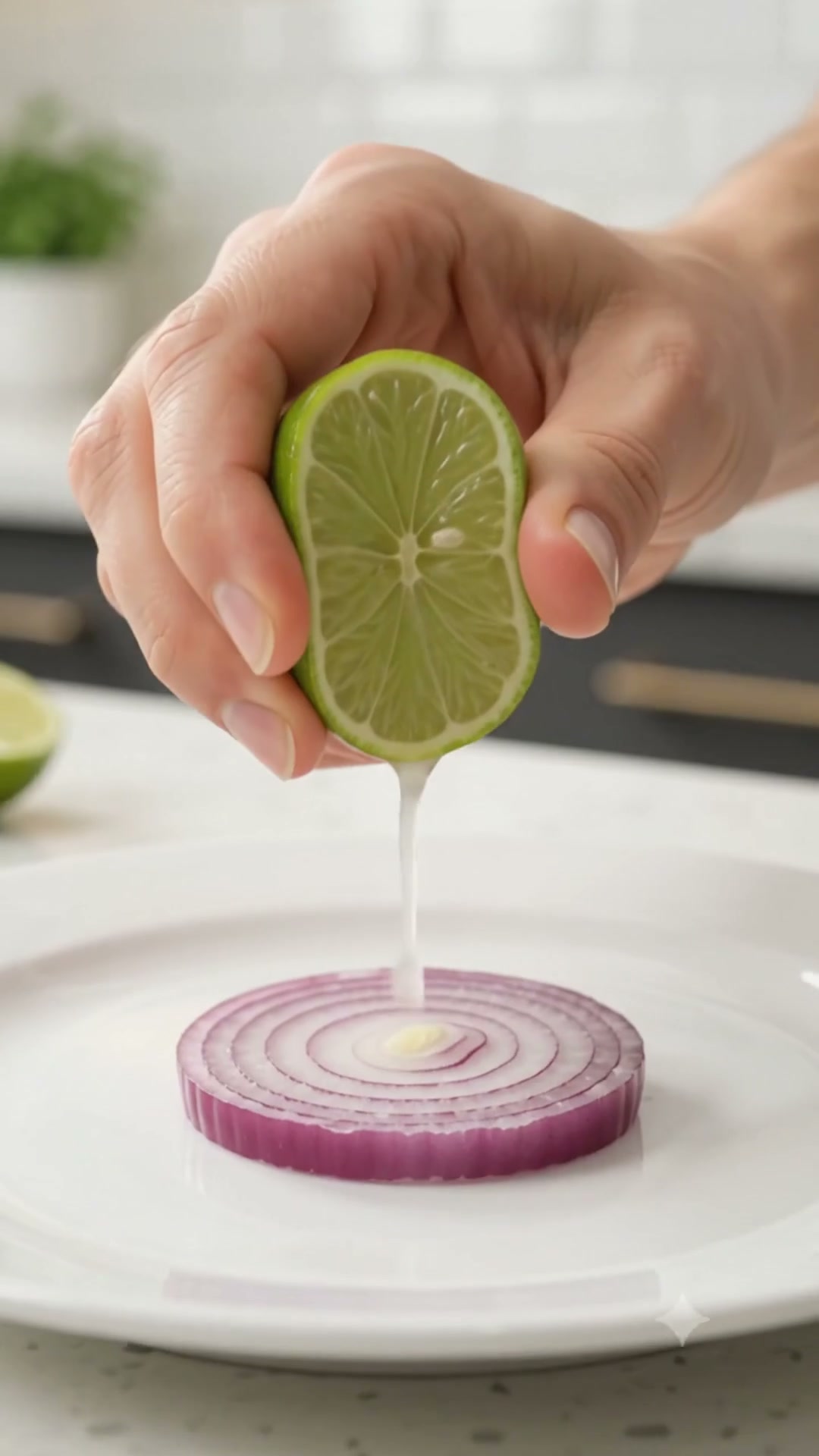
Homemade Cough Syrup: Unpacking the Science of Onion, Garlic, Lemon, and Honey
Onion, garlic, lemon, and honey offer a synergistic blend of compounds with potential benefits for soothing coughs and throat irritation.

Ginger, Calamansi, and Honey: Unpacking the Science of a Natural Wellness Elixir
This traditional blend offers synergistic anti-inflammatory, immune-supportive, and antimicrobial benefits, particularly for mild respiratory symptoms.

Turmeric: A Scientific Companion to Its Anti-inflammatory and Antioxidant Potentials
Turmeric, particularly its curcuminoids, offers potent anti-inflammatory and antioxidant benefits, with piperine significantly enhancing its systemic bioavailability.
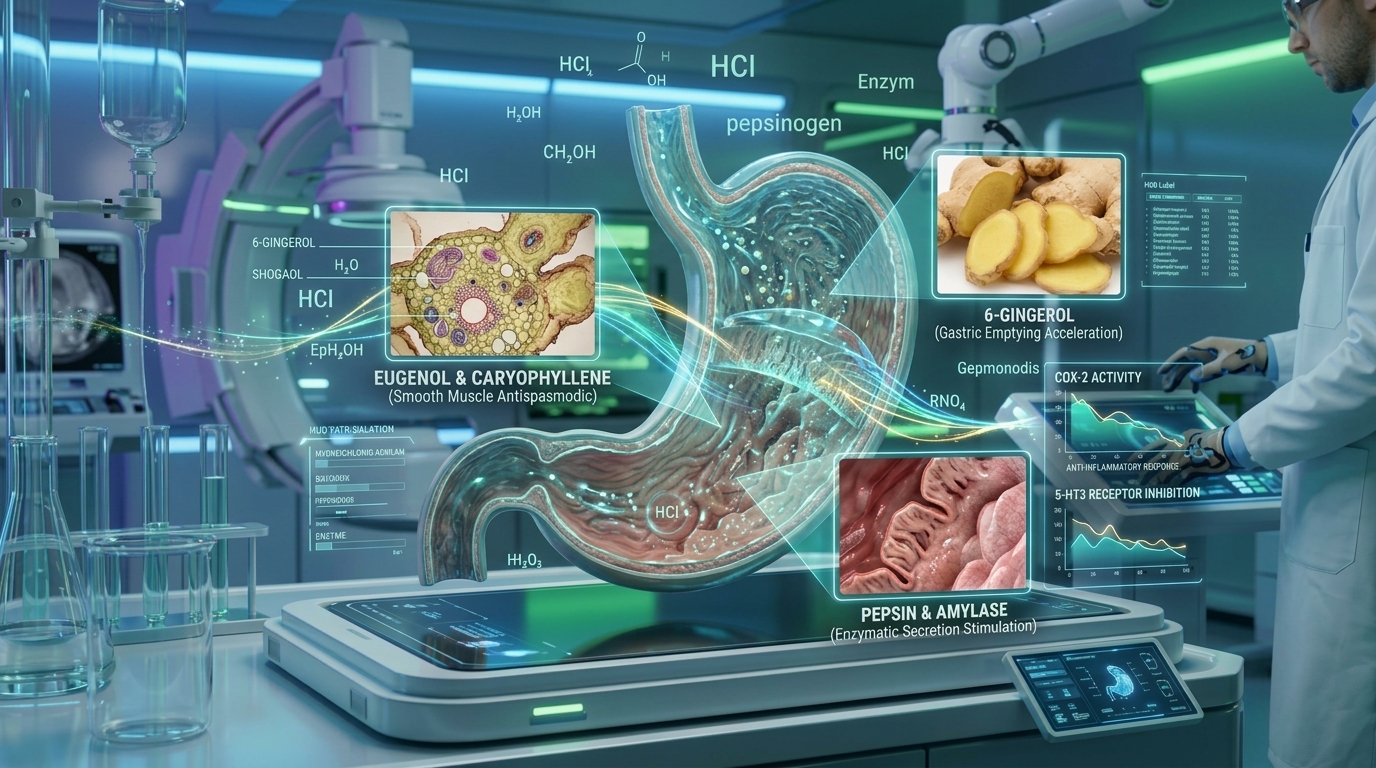
Ginger's Therapeutic Potential: A Biomedical Review of Digestion, Inflammation, and Cellular Defense
Daily ginger intake can significantly support digestive comfort, mitigate nausea, and contribute to a healthy inflammatory and antioxidant status through its potent bioactive compounds.

Water-Cooked Chicken: The Science of Reducing AGEs and Preserving Protein Integrity
Cooking chicken in water instead of deep-frying drastically lowers calorie density and harmful glycation compounds.
Decoding Human Behavior: A Scientific Companion to Pop Psychology Claims
Simplistic behavioral cues often lack robust scientific backing; nuanced observation and context are crucial for accurate interpretation.