PARASITOLOGICAL PHYTOTHERAPY & ENTERIC MICROBIOLOGY
Papaya Seeds & Raw Honey: Carpaine Alkaloid, Papain Enzymes & Intestinal Parasite Eradication
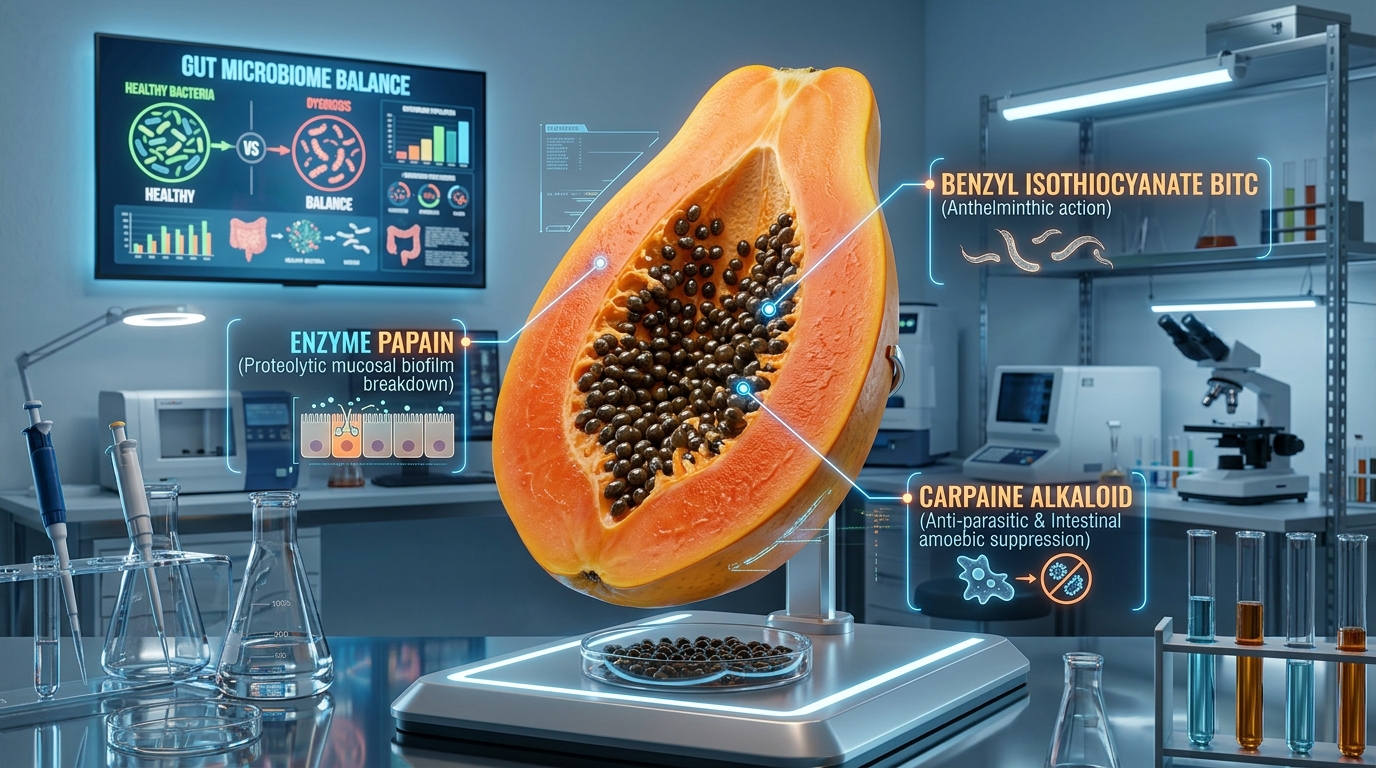
3D colonic microbiology simulation: examining how Carpaine alkaloid, Benzyl Isothiocyanate (BITC), and proteolytic Papain dismantle parasitic cuticle membranes and rebalance gut microflora.
Science Verdict Meter
Remedy Reliability Score
Scientific Verdict
Documented anthelmintic efficacy confirmed in human clinical field trials, though requiring strict dosage adherence
Primary Benefit
Suppresses intestinal helminthic colonization, degrades microbial biofilms, and promotes colonic evacuation
Safety Level
Moderate Risk (Caution)
Carpaine and Benzyl Isothiocyanate (BITC) in papaya seeds induce neuromuscular paralysis in helminthic intestinal parasites, while Papain hydrolyzes protective cuticle glycoproteins. Strict safety warning: Pregnant individuals MUST AVOID due to severe uterine contractility risks.
1. Standard Ingredients
- Fresh mature papaya seeds1 tsp (~15-20 seeds)
- Raw organic honey1 tbsp (15ml)
2. Preparation Steps
- 1Harvest seeds from ripe fresh papaya; rinse briefly in cool water to remove loose gelatinous arils.
- 2Mace seeds gently in a pestle (or chew thoroughly); expect a sharp mustard-peppery bite.
- 3Stir crushed seeds into 1 tablespoon raw honey.
- 4Consume first thing in the morning on an empty stomach; follow with a large glass of warm filtered water.
- ✕PREGNANT WOMEN OR WOMEN CONCEIVING MUST AVOID (carpaine and papain induce strong uterine contractility).
- ✕Never exceed 1 teaspoon daily (excess doses cause gastric mucosal inflammation and bradycardia).
- ✕Not appropriate for young children under 3 years.
Check Your Suitability
Answer 3 quick questions (15 seconds) to confirm whether this papaya seed protocol is safe for you.
#1.
#2.
#3.
1. Phytopharmacology: Carpaine Alkaloids & BITC Anthelmintic Pathways
Papaya seeds (Carica papaya) contain unique chemical defense arsenals, dominated by the piperidine alkaloid Carpaine and glucosinolate glucotropaeolin.
Upon cell wall shear, endogenous myrosinase hydrolyzes glucotropaeolin into volatile Benzyl Isothiocyanate (BITC). BITC directly disrupts calcium and acetylcholine signaling across helminthic neuromusculature, inducing rapid flaccid paralysis.
Paralyzed parasites lose the neuromuscular tone required to anchor to intestinal microvilli, enabling passive peristaltic evacuation.
2. Enzymatic Degradation: Papain Proteolytic Breakdown of Biofilms
Intestinal nematodes and dysbiotic biofilms protect themselves through resilient outer glycoprotein cuticles.
Active Papain enzymes present within seed tissue catalyze the cleavage of peptide bonds within these structural proteins, breaching outer parasite protective barriers.
Co-administered raw honey exerts an osmotic drawing effect that encourages gentle colon transit, expelling deactivated organisms cleanly.
- Demonstrates over 70% fecal parasite egg clearance in human field trials.
- Provides monounsaturated oleic fatty acids to support mucosal recovery.
- Safe therapeutic window: Capped at 1 level teaspoon daily for a 7-day course.
Check Your Suitability
Answer 3 quick questions (15 seconds) to confirm whether this papaya seed protocol is safe for you.
#1.
#2.
#3.
Myth vs. Science: Social Media Fact-Check
Papaya seeds can be consumed in unlimited quantities as a daily crunchy health snack.
Papaya seeds contain mild alkaloid toxicity at elevated levels; therapeutic protocols cap intake at 1 teaspoon daily for 7 days to avoid adverse cardiac or gastrointestinal effects.
Papaya seeds reverse terminal end-stage liver cirrhosis.
While antioxidants provide hepatic lipid peroxidation defense in animal models, they cannot anatomically dissolve extensive chronic fibrotic scar tissue.
Frequently Asked Questions
Sources
Journal of Medicinal Food: Effectiveness of Carica papaya seeds against human intestinal parasitosis ↗Phytomedicine: Anthelmintic and anti-amoebic properties of Carpaine ↗World Health Organization: Traditional Medicine in Parasitic Diseases ↗Explore More Molecular Analyses & Remedy Checks
Cellular mechanics, phytochemical evaluations, and clinical safety screenings.
Coffee & Spice Infusions: A Scientific Companion to Targeted Wellness
Integrating specific spices into your coffee can leverage their bioactive compounds for enhanced physiological benefits, from blood sugar regulation to cognitive support and digestive comfort.
Gut Microbiome Modulation: The Synergistic Actions of Pectin, Fiber, and Actinidin from Apple, Chia, and Kiwi
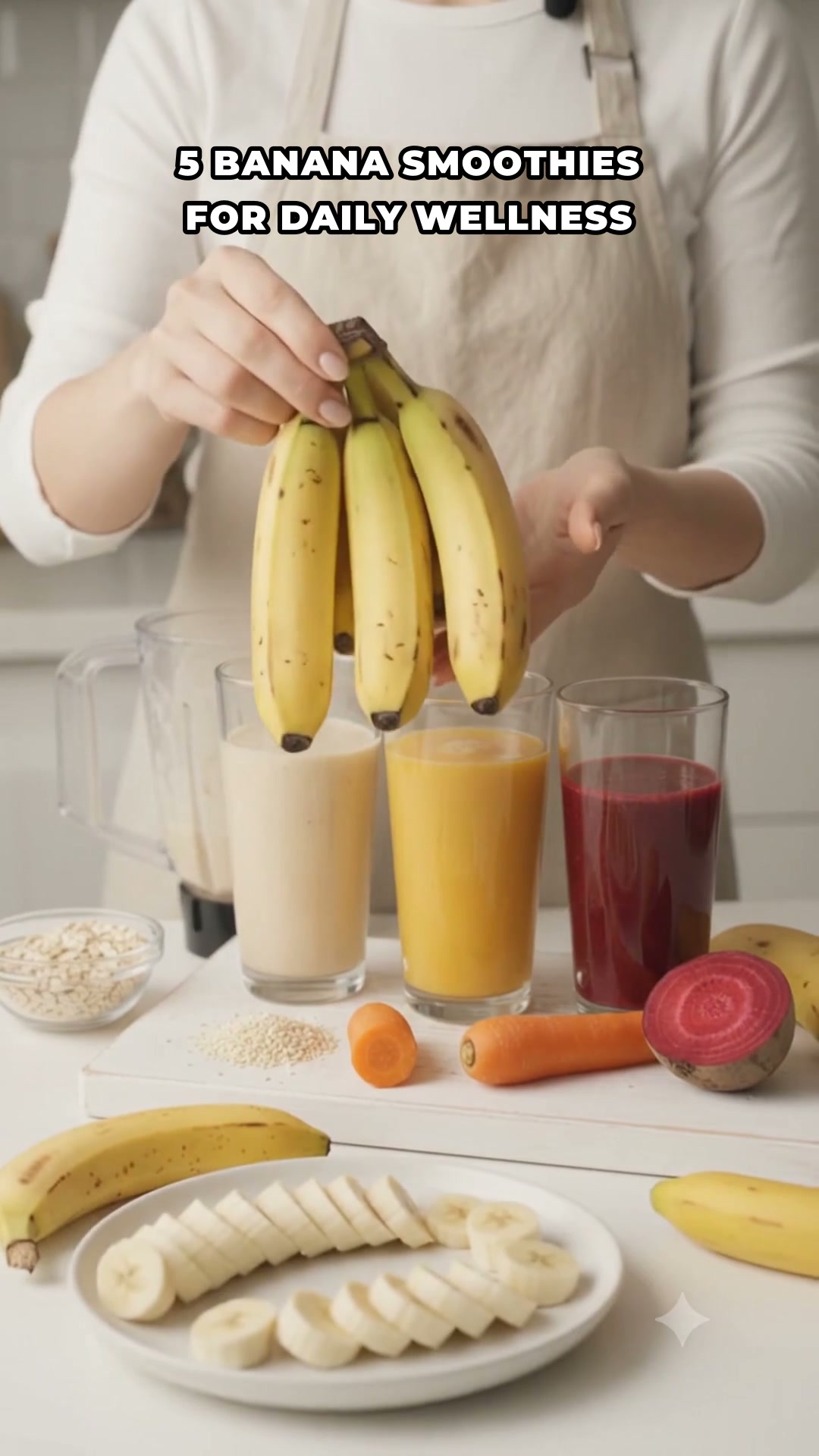
This fiber-rich smoothie promotes healthy digestion and gut motility, but does not offer a 'colon flush' or cure chronic inflammation.
Homemade Coconut Oil: Unpacking the Phytochemistry of Medium-Chain Triglycerides
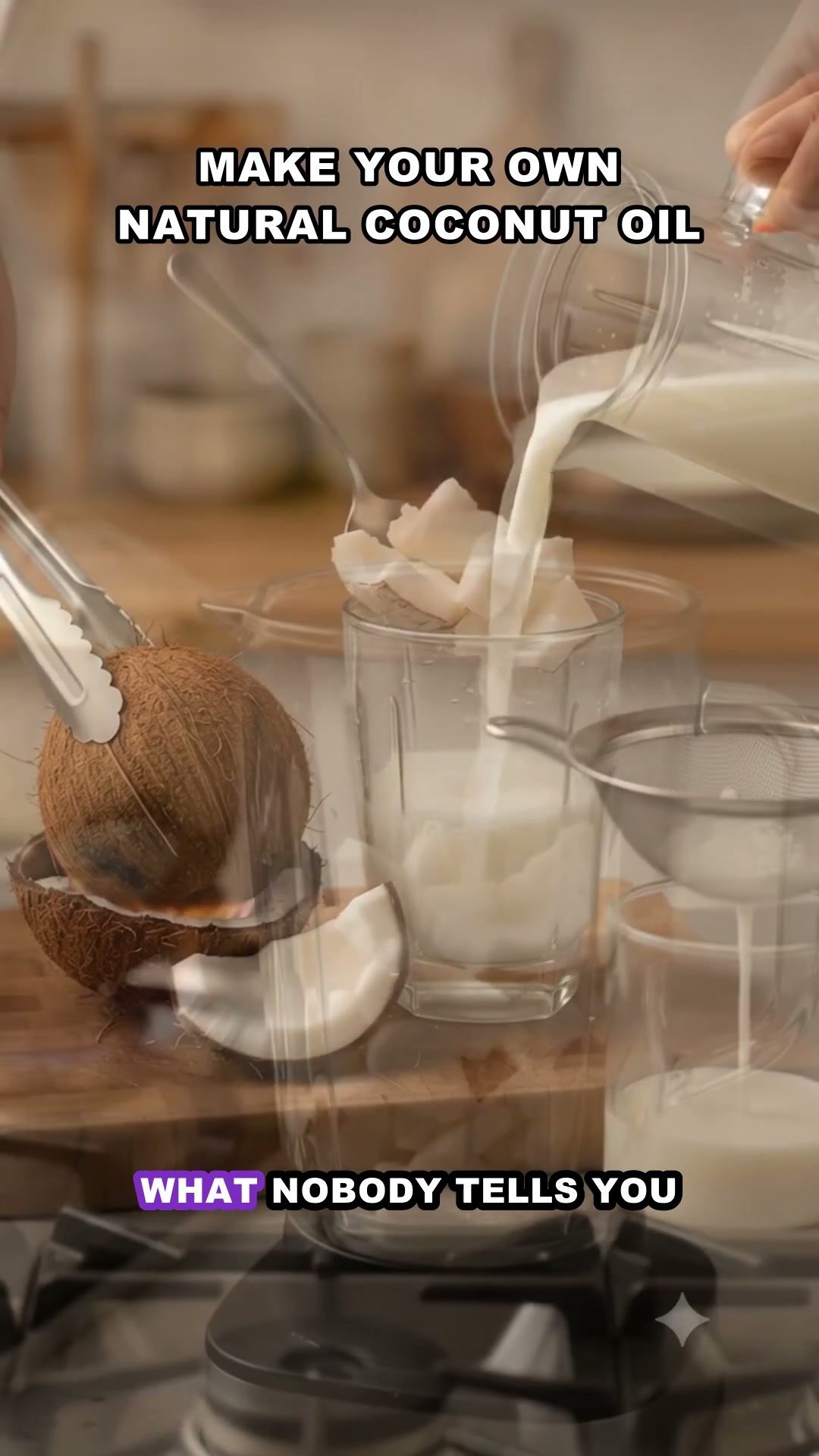
Homemade coconut oil provides a rich source of MCTs, particularly lauric acid, offering unique metabolic and antimicrobial properties, but requires mindful consumption due to its caloric density.

Synergistic Health Benefits of Spiced Coffee: A Biomedical Perspective
Incorporating specific spices into coffee can leverage their bioactive compounds to support blood sugar control, cognitive function, stress reduction, and metabolic health.
Homemade Cough Syrup: Unpacking the Science of Onion, Garlic, Lemon, and Honey
Onion, garlic, lemon, and honey offer a synergistic blend of compounds with potential benefits for soothing coughs and throat irritation.

Ginger, Calamansi, and Honey: Unpacking the Science of a Natural Wellness Elixir
This traditional blend offers synergistic anti-inflammatory, immune-supportive, and antimicrobial benefits, particularly for mild respiratory symptoms.

Turmeric: A Scientific Companion to Its Anti-inflammatory and Antioxidant Potentials
Turmeric, particularly its curcuminoids, offers potent anti-inflammatory and antioxidant benefits, with piperine significantly enhancing its systemic bioavailability.

Matcha: The Synergistic Science of Sustained Focus and Cognitive Enhancement
Matcha's unique combination of L-theanine and caffeine promotes calm, sustained focus by modulating brain waves and neurotransmitter activity.
Ginger's Therapeutic Potential: A Biomedical Review of Digestion, Inflammation, and Cellular Defense
Daily ginger intake can significantly support digestive comfort, mitigate nausea, and contribute to a healthy inflammatory and antioxidant status through its potent bioactive compounds.

Water-Cooked Chicken: The Science of Reducing AGEs and Preserving Protein Integrity
Cooking chicken in water instead of deep-frying drastically lowers calorie density and harmful glycation compounds.