3D ANATOMICAL DISSECTION & NUTRITIONAL SCIENCE
Pineapple & Black Pepper Remedy: The Molecular Science of Bromelain and Inflammation Relief
A 3D anatomical breakdown of pineapple bioactive compounds, molecular mechanisms of proteolytic enzyme Bromelain, and the pharmacokinetics of Piperine synergy.
Science Verdict Meter
Remedy Reliability Score
Scientific Verdict
Supported by empirical biochemical and clinical trial data on Bromelain and Piperine
Primary Benefit
Mucolytic thinning of respiratory secretions and rapid pharyngeal pain relief
Safety Level
Low Risk (Safe)
Bromelain in the pineapple core is a natural proteolytic enzyme complex that suppresses COX-2, reduces prostaglandin E2, and thins thick mucus. Pairing with Piperine dramatically elevates systemic bioavailability. Caution: Bromelain denatures above 60°C and interacts with blood thinners.
1. Standard Ingredients
- Fresh ripe pineapple (including central core)1/2 fruit
- Freshly cracked black pepper1/8 tsp
- Fresh lime juice1/2 lime
- Raw honey1 tsp
2. Preparation Steps
- 1Blend or cold-press pineapple slices (retain the central core).
- 2Whisk in freshly cracked pepper, lime juice, and raw honey.
- 3Consume within 15–20 minutes to prevent ambient enzyme oxidation.
- ✕Never heat above 55°C (heat irreversibly destroys 100% of enzymatic activity).
- ✕Avoid drinking on an empty stomach to prevent gastric irritation.
- ✕Contraindicated with blood thinners (Aspirin, Warfarin, Clopidogrel).
Check Your Safety & Fit
Answer 3 quick questions (15s) to see if the Pineapple & Black Pepper remedy is safe for your body.
#1. Are you taking blood-thinning medications (Aspirin, Warfarin, Clopidogrel)?
#2. What is your current stomach / digestive status?
#3. Do you have upcoming surgery or dental extractions within 14 days?
1. Anatomical Profile & Bioactive Compounds in Pineapple (Ananas comosus)
Under the lens of phytochemistry, pineapple is a multi-layered biological complex. When dissecting the fruit anatomically, each zone harbors distinct concentrations of specialized bioactives:
Central Core & Stem: This is the primary "enzyme factory" of the fruit. Bromelain (specifically Stem Bromelain) concentration in the dense core is 2.5 to 3.2 times higher than in the outer soft pulp. Bromelain is a multi-enzyme complex comprising sulfhydryl endopeptidases, acid phosphatases, peroxidases, and natural protease inhibitors.
Golden Pulp: Packed with concentrated L-ascorbic acid (Vitamin C) at 47.8 mg/100g (~53% Daily Value), paired with organic acids (Citric and Malic) maintaining an optimal acidic pH (3.5 - 4.2) that shields the enzymes from premature autodigestion.
Essential Minerals: Bioavailable Manganese (~0.9 mg/100g, ~45% DV) is densely distributed in the connective tissues, serving as the obligate catalytic cofactor for Mitochondrial Superoxide Dismutase (Mn-SOD).
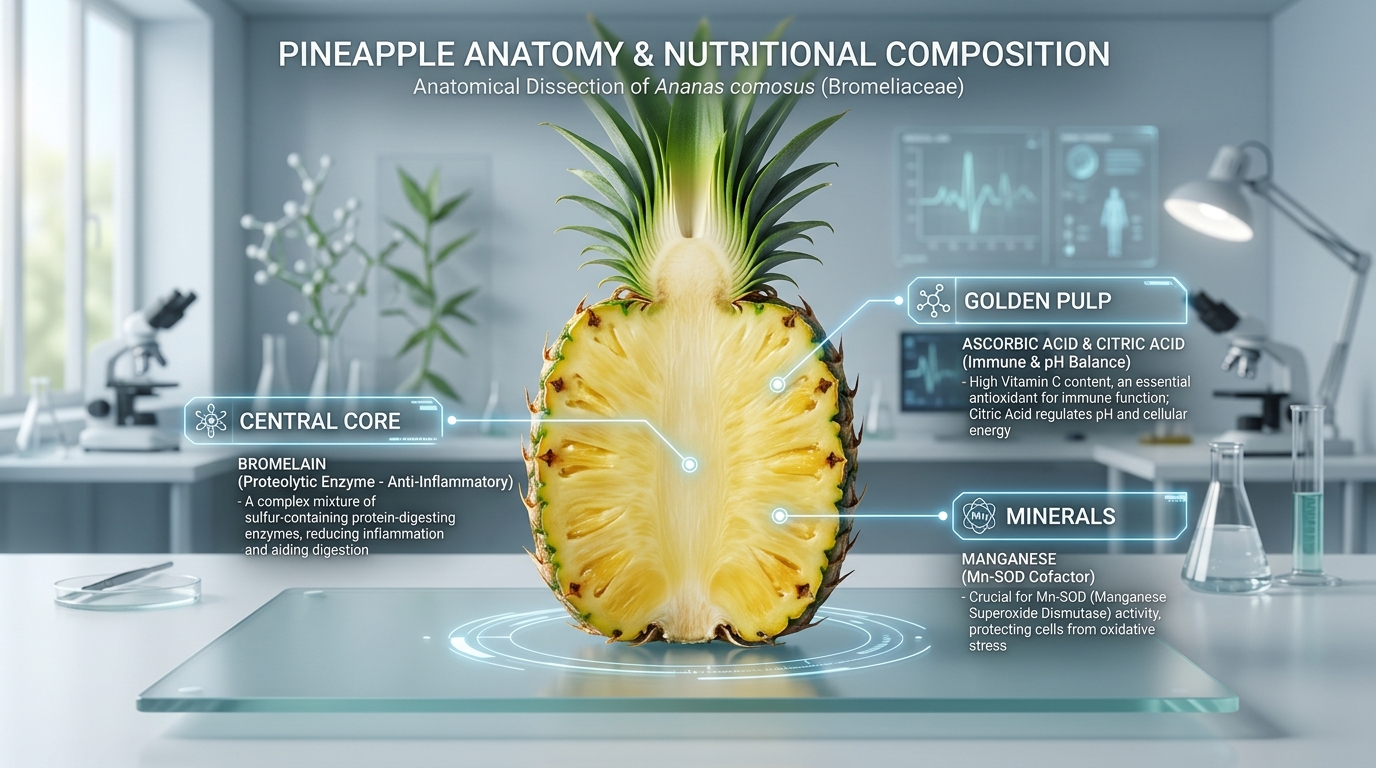
- Central Core: Highest Bromelain density - Anti-inflammatory, edema reduction, and proteolytic action.
- Golden Pulp: Rich in Vitamin C & Citric Acid - ROS scavenging, collagen synthesis, and cellular energetics.
- Essential Minerals: Organic Manganese powering the Mn-SOD enzymatic defense system.
2. Molecular Mechanisms: How Bromelain Relieves Inflammation and Mucus
When pathogens attack the upper respiratory tract, immune cascades induce microvascular dilation, interstitial edema, and viscous mucus accumulation. Bromelain directly intercepts this pathophysiology:
Mucolytic Action: Mucus gel viscosity is determined by disulfide and peptide cross-links among mucoprotein strands. Bromelain hydrolyzes these peptide bonds, collapsing the gel matrix and cutting mucus viscoelasticity by 40-60%, allowing the respiratory ciliated epithelium to clear airway secretions effortlessly.
Anti-inflammatory Cascade: Bromelain modulates arachidonic acid metabolism by selectively inhibiting Cyclooxygenase-2 (COX-2), decreasing Prostaglandin E2 (PGE2) and Thromboxane A2 synthesis. It simultaneously blocks nuclear translocation of NF-κB, blunting the transcription of pro-inflammatory cytokines such as TNF-α, IL-1β, and IL-6.
- Bradykinin Depletion: Lessens sensory nociceptive receptor stimulation, calming acute pharyngeal pain and sore throat.
- Microvascular Fluid Clearance: Accelerates fluid drainage from inflamed tissues into the lymphatic network.
- Biofilm Penetration: Dismantles bacterial protective glycocalyx barriers.
3. Biochemical Synergy: Why Health Clues Pairs Pineapple with Black Pepper and Lemon
In the viral Health Clues video (@DBNFOOD), fresh pineapple is blended with freshly cracked black pepper and fresh lemon juice. This combination reflects sound pharmacokinetic synergy:
Piperine as a Bioavailability Enhancer: Bioactive enzymes and polyphenols are typically subject to rapid phase II glucuronidation by UGT enzymes in the liver and intestinal wall. Piperine in black pepper temporarily inhibits glucuronidation and P-glycoprotein efflux pumps, allowing intact Bromelain and antioxidants to enter systemic circulation at substantially higher concentrations.
Citric Acid & Flavonoids in Lemon: Lemon lowers ambient pH, stabilizing Bromelain against polyphenol oxidase browning, while citrus bioflavonoids (hesperidin) reinforce microvascular integrity alongside Bromelain.
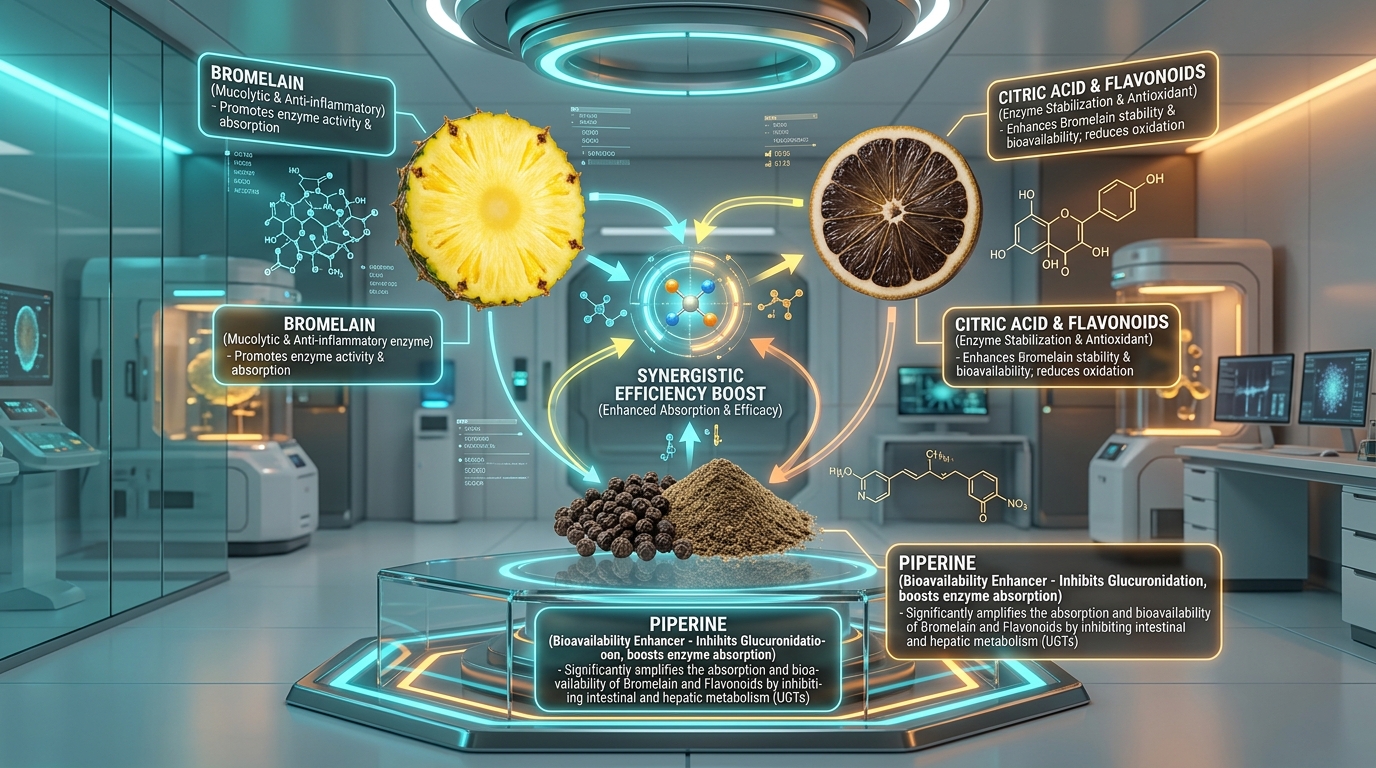
- Standardized Formula: 1/2 fresh pineapple (retaining the fibrous core) + 1/8 tsp freshly cracked black pepper + juice of 1/2 lemon + 1 tsp raw honey.
- Strict Thermal Warning: Bromelain begins irreversible denaturation at 55°C and loses 100% enzymatic activity by 65°C. Never boil, steam, or steep in boiling water.
- Optimal Timing: Drink 20-30 minutes after a light meal; avoid completely empty stomachs.
4. Clinical Safety Warnings & Contraindications
Evidence-based health requires objective transparency. While Bromelain offers potent benefits, key clinical precautions must be observed:
Anticoagulant Interactions: Bromelain exhibits natural fibrinolytic activity and mild platelet aggregation inhibition. Patients on Warfarin, Aspirin, Heparin, or Clopidogrel must exercise caution to avoid increased bleeding risks.
Surgical Interventions: Discontinue concentrated pineapple regimens at least 14 days prior to elective surgery or dental procedures.
- Peptic Ulcer Disease: Individuals with active gastric ulcers should avoid concentrated acidic juices.
- Tongue Prickling: Harmless surface glycoprotein hydrolysis. A brief saline rinse mitigates this sensation.
- Cross-Reactivity: Higher allergic incidence among individuals sensitized to latex, birch pollen, or celery.
Check Your Safety & Fit
Answer 3 quick questions (15s) to see if the Pineapple & Black Pepper remedy is safe for your body.
#1. Are you taking blood-thinning medications (Aspirin, Warfarin, Clopidogrel)?
#2. What is your current stomach / digestive status?
#3. Do you have upcoming surgery or dental extractions within 14 days?
Myth vs. Science: Social Media Fact-Check
Pineapple with black pepper cures chronic sinusitis and replaces prescription antibiotics.
Bromelain acts as an adjuvant mucolytic and anti-inflammatory agent; it does not eradicate severe bacterial infections.
Boiling pineapple juice makes it soothing and more effective for coughs.
Temperatures above 60°C denature Bromelain tertiary structures, rendering it biologically inert.
Discard the hard core because it lacks nutritional value.
The fibrous core contains 2.5 to 3.2 times higher Bromelain concentration than the outer flesh.
Frequently Asked Questions
Sources
NCBI PMC: Properties and Therapeutic Application of Bromelain - A Review ↗PubMed: Bromelain as a treatment for osteoarthritis and inflammatory conditions ↗USDA FoodData Central: Pineapple, raw nutrition facts ↗Bioavailability enhancer: Role of piperine in enhancing drug bioavailability ↗Explore More Molecular Analyses & Remedy Checks
Cellular mechanics, phytochemical evaluations, and clinical safety screenings.
Coffee & Spice Infusions: A Scientific Companion to Targeted Wellness
Integrating specific spices into your coffee can leverage their bioactive compounds for enhanced physiological benefits, from blood sugar regulation to cognitive support and digestive comfort.
Gut Microbiome Modulation: The Synergistic Actions of Pectin, Fiber, and Actinidin from Apple, Chia, and Kiwi
This fiber-rich smoothie promotes healthy digestion and gut motility, but does not offer a 'colon flush' or cure chronic inflammation.
Homemade Coconut Oil: Unpacking the Phytochemistry of Medium-Chain Triglycerides
Homemade coconut oil provides a rich source of MCTs, particularly lauric acid, offering unique metabolic and antimicrobial properties, but requires mindful consumption due to its caloric density.

Synergistic Health Benefits of Spiced Coffee: A Biomedical Perspective
Incorporating specific spices into coffee can leverage their bioactive compounds to support blood sugar control, cognitive function, stress reduction, and metabolic health.
Homemade Cough Syrup: Unpacking the Science of Onion, Garlic, Lemon, and Honey
Onion, garlic, lemon, and honey offer a synergistic blend of compounds with potential benefits for soothing coughs and throat irritation.

Ginger, Calamansi, and Honey: Unpacking the Science of a Natural Wellness Elixir
This traditional blend offers synergistic anti-inflammatory, immune-supportive, and antimicrobial benefits, particularly for mild respiratory symptoms.

Turmeric: A Scientific Companion to Its Anti-inflammatory and Antioxidant Potentials
Turmeric, particularly its curcuminoids, offers potent anti-inflammatory and antioxidant benefits, with piperine significantly enhancing its systemic bioavailability.

Matcha: The Synergistic Science of Sustained Focus and Cognitive Enhancement
Matcha's unique combination of L-theanine and caffeine promotes calm, sustained focus by modulating brain waves and neurotransmitter activity.

Ginger's Therapeutic Potential: A Biomedical Review of Digestion, Inflammation, and Cellular Defense
Daily ginger intake can significantly support digestive comfort, mitigate nausea, and contribute to a healthy inflammatory and antioxidant status through its potent bioactive compounds.

Water-Cooked Chicken: The Science of Reducing AGEs and Preserving Protein Integrity
Cooking chicken in water instead of deep-frying drastically lowers calorie density and harmful glycation compounds.