HEPATOLOGY & METABOLIC BIOCHEMISTRY
Pineapple & Cucumber Juice for Fatty Liver: Hepatic Lipid Metabolism, Antioxidant Defense & Fructose Warnings
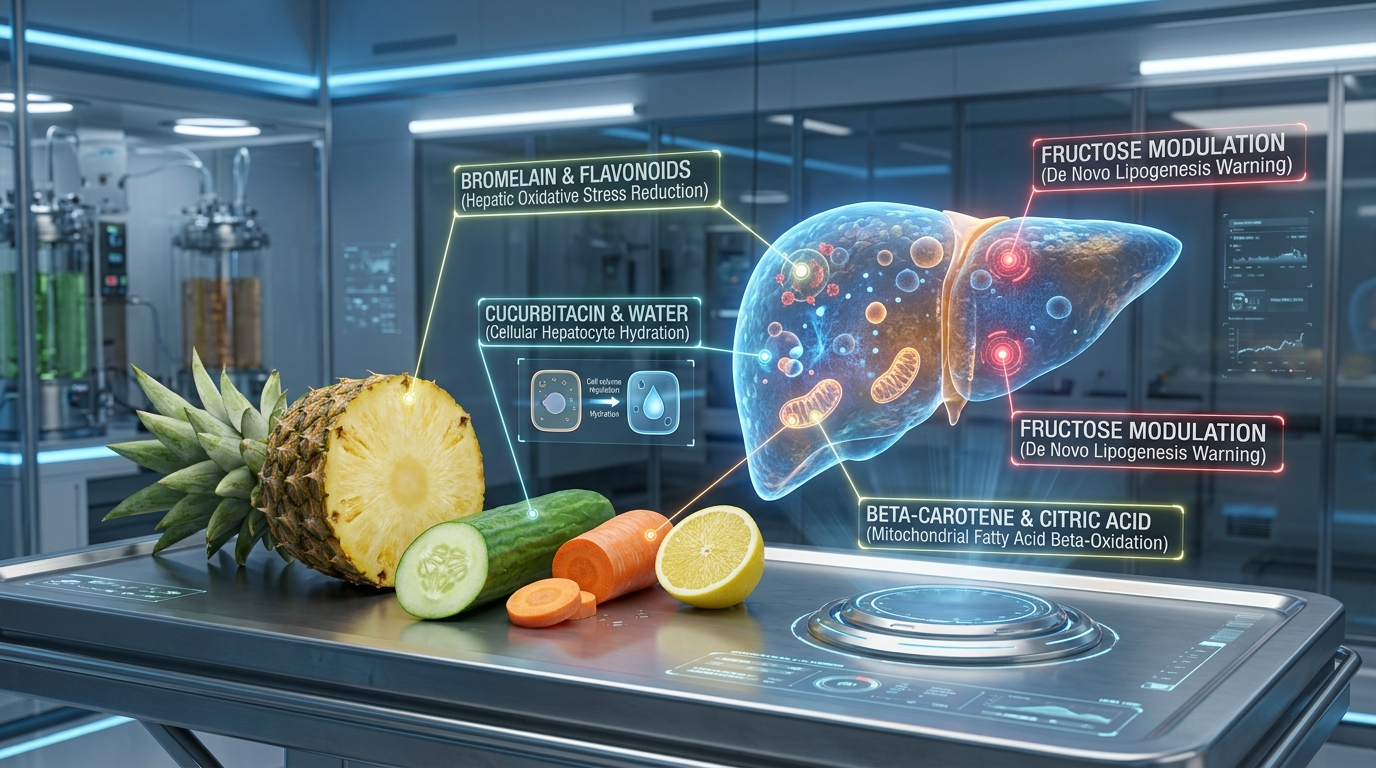
3D molecular dissection of hepatocyte steatosis: evaluating the biochemical reality of pineapple bromelain, cucumber cucurbitacin, and carrot carotenoids in mitigating hepatic oxidative stress while cautioning against fructose-driven lipogenesis.
Science Verdict Meter
Remedy Reliability Score
Scientific Verdict
Antioxidant and hydration support for liver function, but viral overnight cure claims contradict hepatological science
Primary Benefit
Reduces hepatic oxidative stress, supports mitochondrial beta-oxidation, and delivers cellular hydration
Safety Level
Moderate Risk (Caution)
While plant polyphenols and antioxidants in pineapple, cucumber, and carrot reduce hepatic oxidative stress and downregulate inflammatory cytokines, no beverage reverses fatty liver overnight. Crucially, excess liquid fructose stimulates hepatic de novo lipogenesis; prioritizing cucumber over pineapple and retaining fibrous pulp is essential.
1. Standard Ingredients
- Fresh English cucumber with skin1 whole (150g)
- Fresh pineapple (including core)1/4 cup (40g only)
- Fresh carrot1/2 medium (50g)
- Fresh lemon juice1/2 lemon
- Purified water150ml
2. Preparation Steps
- 1Wash produce thoroughly under running water; leave cucumber unpeeled to retain protective dietary fiber and polyphenols.
- 2Place cucumber, limited pineapple portion, carrot, lemon juice, and water into a high-speed blender.
- 3Blend for 45-60 seconds into a rich, fibrous smoothie (do NOT strain through a sieve or cheesecloth).
- 4Consume immediately alongside a protein- or healthy-fat-rich breakfast to blunt glycemic absorption.
- ✕NEVER juice large portions of pineapple alone (excess liquid fructose converts directly into hepatic triglycerides, worsening NAFLD).
- ✕Do not strain out the fibrous pulp (insoluble fiber is mandatory to slow intestinal fructose absorption).
- ✕Do not discontinue physician-prescribed metabolic or cardiovascular medications in reliance on social media overnight cures.
Check Your Suitability
Answer 3 quick questions (15 seconds) to confirm whether this liver-support smoothie fits your health profile.
#1.
#2.
#3.
1. Hepatocyte Lipid Dynamics: Understanding Steatosis and De Novo Lipogenesis
Nonalcoholic Fatty Liver Disease (now clinically termed Metabolic dysfunction-Associated Steatotic Liver Disease - MASLD) is defined by the pathological accumulation of intracellular triglycerides exceeding 5% of total hepatocyte weight.
The primary biochemical driver is an imbalance between hepatic lipid acquisition (free fatty acid uptake and De Novo Lipogenesis - DNL) and lipid clearance (mitochondrial β-oxidation and VLDL secretion).
Crucially, liquid fructose is the most potent dietary driver of DNL. When consumed without adequate fiber, fructose flooding portal circulation bypasses the rate-limiting enzyme phosphofructokinase, funneling unchecked into triose-phosphates and acetyl-CoA, directly synthesizing fatty acids inside the liver.
2. Phytochemical Adjuvants: Bromelain, Carotenoids and the Fructose Threshold
Despite viral exaggerations, botanical ingredients do possess legitimate hepatoprotective mechanisms when formulated with strict macronutrient awareness.
Cucumbers provide over 95% bioavailable structured water and trace Cucurbitacin triterpenoids that attenuate inflammatory cytokine release within hepatic sinusoidal Kupffer cells.
Carrots deliver lipophilic Beta-carotene and Falcarinol, potent antioxidants that quench lipid peroxidation radicals and suppress the pathological transdifferentiation of hepatic stellate cells into collagen-producing myofibroblasts.
Pineapple supplies Bromelain and ascorbic acid; however, because pineapple contains approximately 10g of sugar per 100g (half of which is fructose), clinical safety mandates restricting pineapple to a modest 40g serving, ensuring the beverage delivers bioactives without triggering DNL.
- Preserves cellular glutathione levels in hepatocytes combating oxidative strain.
- Enhances mitochondrial respiratory chain efficiency to support fatty acid oxidation.
- Provides essential hydration to support biliary excretion of metabolic conjugates.
Check Your Suitability
Answer 3 quick questions (15 seconds) to confirm whether this liver-support smoothie fits your health profile.
#1.
#2.
#3.
Myth vs. Science: Social Media Fact-Check
Drinking this juice cleanses and completely cures fatty liver in just one night.
Nonalcoholic fatty liver disease (MASLD) represents cellular fat accumulation (>5% hepatocyte weight) accumulated over years. Reversal requires weeks of caloric deficit, physical exercise, and reduced de novo lipogenesis, measurable via ultrasound or FibroScan after 8-12 weeks.
Because fruit juice is 100% natural, drinking 2 liters daily accelerates liver detoxification.
Excess fructose bypasses hepatic phosphofructokinase regulation, converting straight into glycerol-3-phosphate for de novo lipogenesis. Limiting fruit sugars is mandatory in liver disease.
Frequently Asked Questions
Sources
AASLD Practice Guidance: The Clinical Assessment and Management of MASLD ↗Hepatology: Fructose and hepatic de novo lipogenesis mechanisms ↗Journal of Agricultural and Food Chemistry: Cucurbitacins and carotenoids in hepatic protection ↗Explore More Molecular Analyses & Remedy Checks
Cellular mechanics, phytochemical evaluations, and clinical safety screenings.
Coffee & Spice Infusions: A Scientific Companion to Targeted Wellness
Integrating specific spices into your coffee can leverage their bioactive compounds for enhanced physiological benefits, from blood sugar regulation to cognitive support and digestive comfort.
Gut Microbiome Modulation: The Synergistic Actions of Pectin, Fiber, and Actinidin from Apple, Chia, and Kiwi
This fiber-rich smoothie promotes healthy digestion and gut motility, but does not offer a 'colon flush' or cure chronic inflammation.
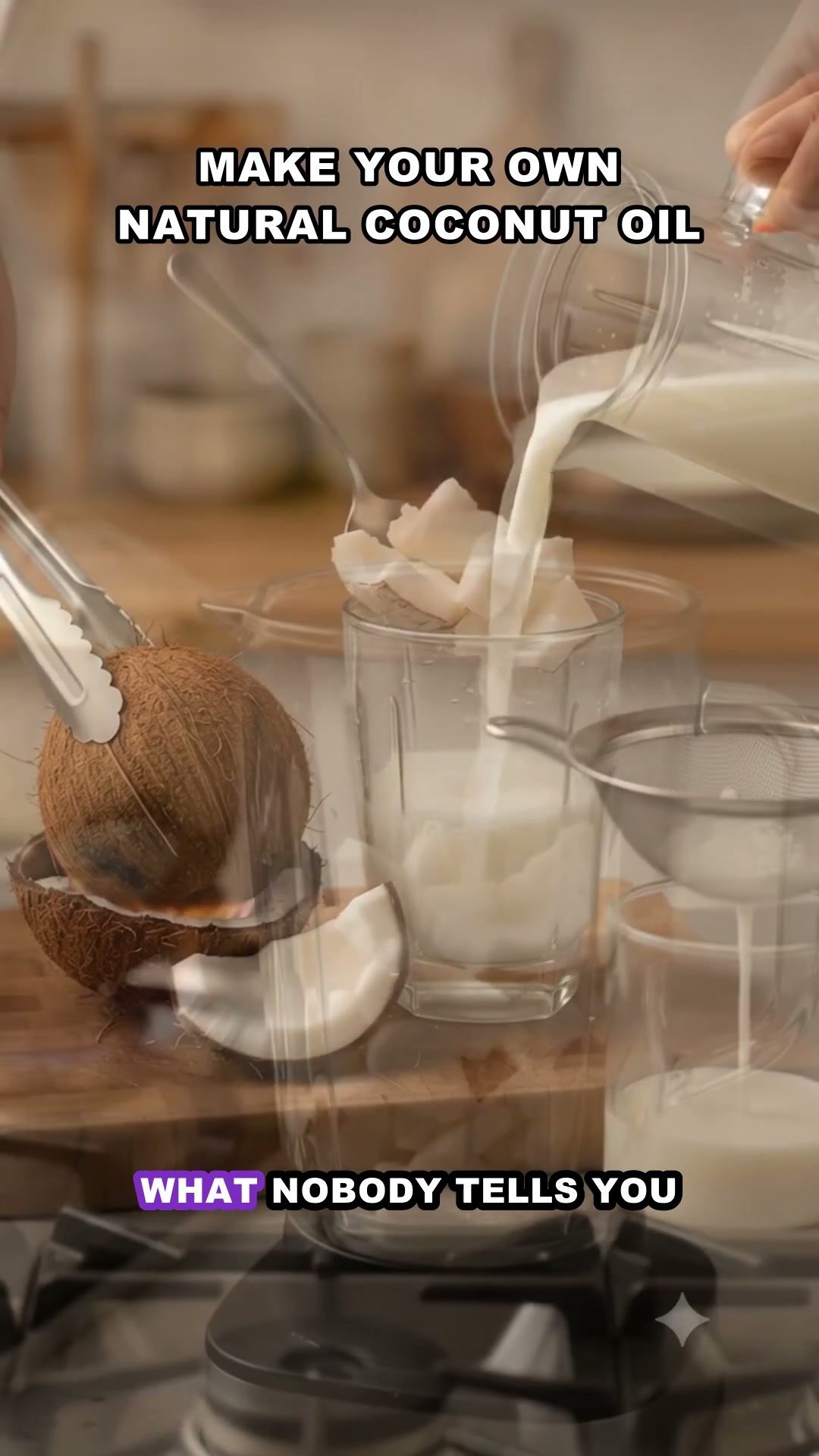
Homemade Coconut Oil: Unpacking the Phytochemistry of Medium-Chain Triglycerides
Homemade coconut oil provides a rich source of MCTs, particularly lauric acid, offering unique metabolic and antimicrobial properties, but requires mindful consumption due to its caloric density.

Synergistic Health Benefits of Spiced Coffee: A Biomedical Perspective
Incorporating specific spices into coffee can leverage their bioactive compounds to support blood sugar control, cognitive function, stress reduction, and metabolic health.
Homemade Cough Syrup: Unpacking the Science of Onion, Garlic, Lemon, and Honey
Onion, garlic, lemon, and honey offer a synergistic blend of compounds with potential benefits for soothing coughs and throat irritation.

Ginger, Calamansi, and Honey: Unpacking the Science of a Natural Wellness Elixir
This traditional blend offers synergistic anti-inflammatory, immune-supportive, and antimicrobial benefits, particularly for mild respiratory symptoms.

Turmeric: A Scientific Companion to Its Anti-inflammatory and Antioxidant Potentials
Turmeric, particularly its curcuminoids, offers potent anti-inflammatory and antioxidant benefits, with piperine significantly enhancing its systemic bioavailability.

Matcha: The Synergistic Science of Sustained Focus and Cognitive Enhancement
Matcha's unique combination of L-theanine and caffeine promotes calm, sustained focus by modulating brain waves and neurotransmitter activity.
Ginger's Therapeutic Potential: A Biomedical Review of Digestion, Inflammation, and Cellular Defense
Daily ginger intake can significantly support digestive comfort, mitigate nausea, and contribute to a healthy inflammatory and antioxidant status through its potent bioactive compounds.

Water-Cooked Chicken: The Science of Reducing AGEs and Preserving Protein Integrity
Cooking chicken in water instead of deep-frying drastically lowers calorie density and harmful glycation compounds.