PERIPHERAL THERMAL PHYSIOLOGY & NEUROENDOCRINOLOGY
Warm Ginger & Lemon Foot Bath: TRPV1 Receptor Activation, Peripheral Vasodilation & Deep Sleep Induction
3D thermal physiology and vascular hemodynamic simulation: exploring how 6-Gingerol, Shogaol, and 40-42°C heat redistribute core temperature and trigger parasympathetic sleep readiness.
Science Verdict Meter
Remedy Reliability Score
Scientific Verdict
Strong clinical and physiological evidence for core cooling and rapid sleep onset induction
Primary Benefit
Enhances distal peripheral blood flow, dampens sympathetic tone, and accelerates transition to slow-wave sleep
Safety Level
Low Risk (Safe)
Gingerols and thermal heat stimulate peripheral TRPV1 receptors, driving massive vasodilation in plantar arteriovenous anastomoses. The resulting 0.3-0.5°C drop in core body temperature acts as a primary biological trigger for pineal Melatonin surge and deep NREM restorative sleep.
1. Standard Ingredients
- Mature fresh ginger root, bruised50g (1 medium root)
- Fresh lemon, sliced1 whole fruit
- Natural coarse sea salt1 tbsp (15g)
- Calibrated hot water3 - 4 liters (40 - 42°C)
2. Preparation Steps
- 1Crush fresh ginger; simmer in 1 liter of water for 5 minutes to extract bioactives into aqueous phase.
- 2Pour into foot bath basin; temper with cool water until temperature registers precisely 40 to 42°C.
- 3Add sliced lemon and coarse sea salt; submerge feet past the malleoli (ankles).
- 4Soak for 15-20 minutes. Dry immediately with a plush towel and slip into breathable cotton socks.
- ✕Do NOT exceed 45°C (triggers thermal tissue injury and sympathetic tachycardia, disrupting sleep).
- ✕Do not prolong soak beyond 25 minutes (excessive pooling may cause transient cerebral hypoperfusion upon standing).
- ✕Strictly contraindicated for severe lower limb varicose veins or diabetic peripheral neuropathy.
Check Your Suitability
Answer 3 quick questions (15 seconds) to confirm whether this warm foot bath is safe and appropriate for you.
#1.
#2.
#3.
1. Thermal Physiology: Distal Radiator Action & NREM Sleep Architecture
The mammalian circadian pacemaker located in the suprachiasmatic nucleus closely dictates nocturnal core body temperature curves. Peak sleep propensity aligns tightly with the maximum rate of core temperature decline.
Human feet possess the highest anatomical density of Arteriovenous Anastomoses (AVAs) - non-nutritive shunts connecting arterioles directly to venules designed specifically for thermoregulation.
Immersion in 40-42°C ginger water overrides sympathetic vasoconstrictor tone, opening AVAs and multiplying foot blood flow fourfold. This massive peripheral heat dissipation rapidly cools central core organs by 0.3-0.5°C, triggering anterior hypothalamic sleep centers to initiate slow-wave sleep.
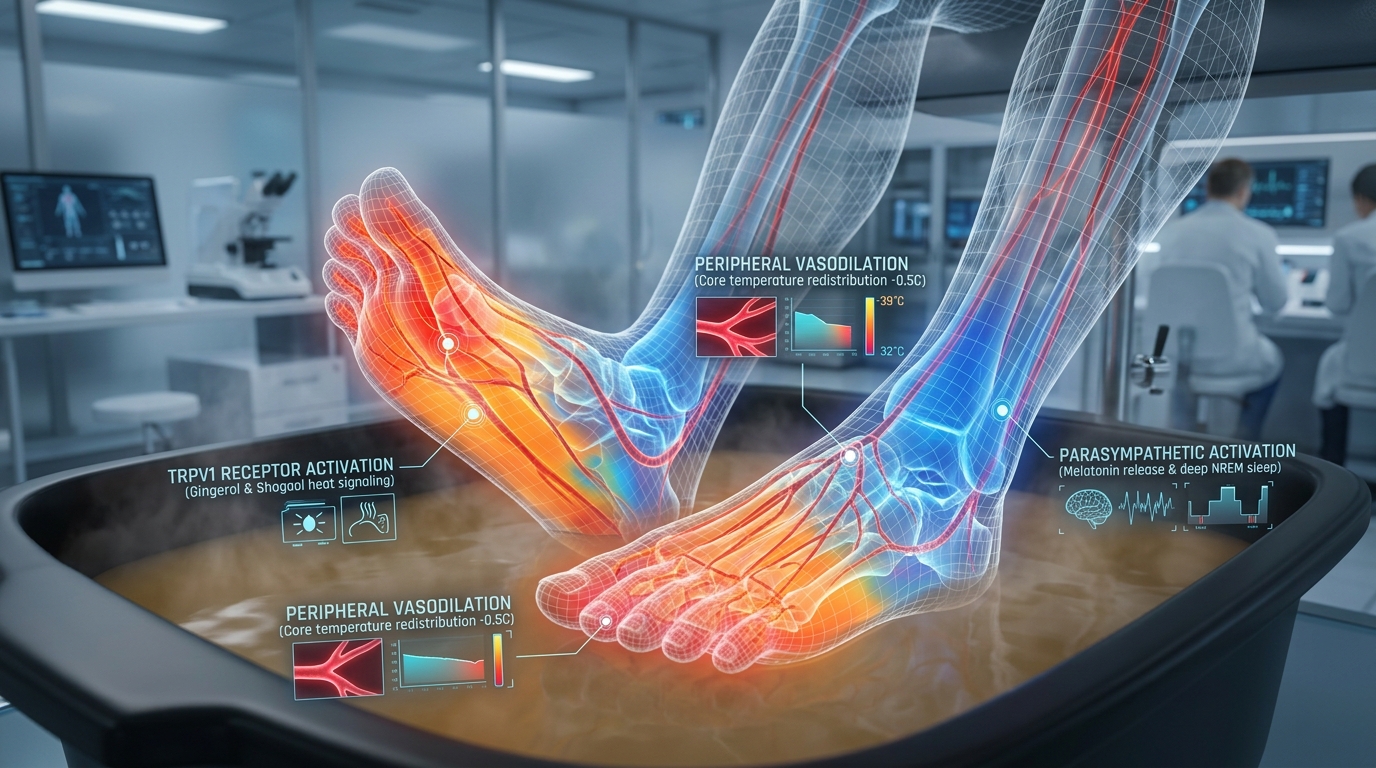
2. Phytochemical Synergy: TRPV1 Agonism by 6-Gingerol & Limonene Aromatherapy
Fresh Zingiber officinale contains pungent alkylphenols, predominantly 6-Gingerol and 6-Shogaol. These compounds act as potent chemical agonists of Transient Receptor Potential Vanilloid 1 (TRPV1) channels on sensory C-fibers.
Synergistic co-activation of TRPV1 by heat ($>40^circ ext{C}$) and gingerols triggers local secretion of Calcitonin Gene-Related Peptide (CGRP) and nitric oxide, maintaining vascular dilatation long after exiting the bath.
Simultaneously, volatile Limonene evaporating from lemon flavedo exerts mild dopamine-modulating anxiolytic effects via olfactory pathways, tilting autonomic balance from sympathetic alertness to parasympathetic recovery.
- Reduces Sleep Onset Latency (time to fall asleep) by up to 50%.
- Deepens Delta slow-wave sleep phases essential for glymphatic cerebral clearance.
- Alleviates nocturnal calf muscle cramping and cold extremity discomfort.
Check Your Suitability
Answer 3 quick questions (15 seconds) to confirm whether this warm foot bath is safe and appropriate for you.
#1.
#2.
#3.
Myth vs. Science: Social Media Fact-Check
Steeping feet in scalding water for an hour pulls visceral metabolic toxins out through the soles.
Plantar skin lacks visceral filtration capability. Water above 45°C disrupts lipid barriers and exacerbates venous reflux. 15 minutes at 40-42°C represents the clinical standard.
Darkening water is proof of cellular heavy metals being drawn out.
Color changes result purely from ginger phytochemical oxidation, lemon citric interaction with bath salts, and superficial sebum shedding.
Frequently Asked Questions
Sources
Nature: Sleep-promoting effects of warm foot baths via core body cooling ↗Journal of Physiological Anthropology: Footbath Hemodynamic Responses ↗PubMed: TRPV1 activation and peripheral vasodilation mechanisms ↗Explore More Molecular Analyses & Remedy Checks
Cellular mechanics, phytochemical evaluations, and clinical safety screenings.
Coffee & Spice Infusions: A Scientific Companion to Targeted Wellness
Integrating specific spices into your coffee can leverage their bioactive compounds for enhanced physiological benefits, from blood sugar regulation to cognitive support and digestive comfort.
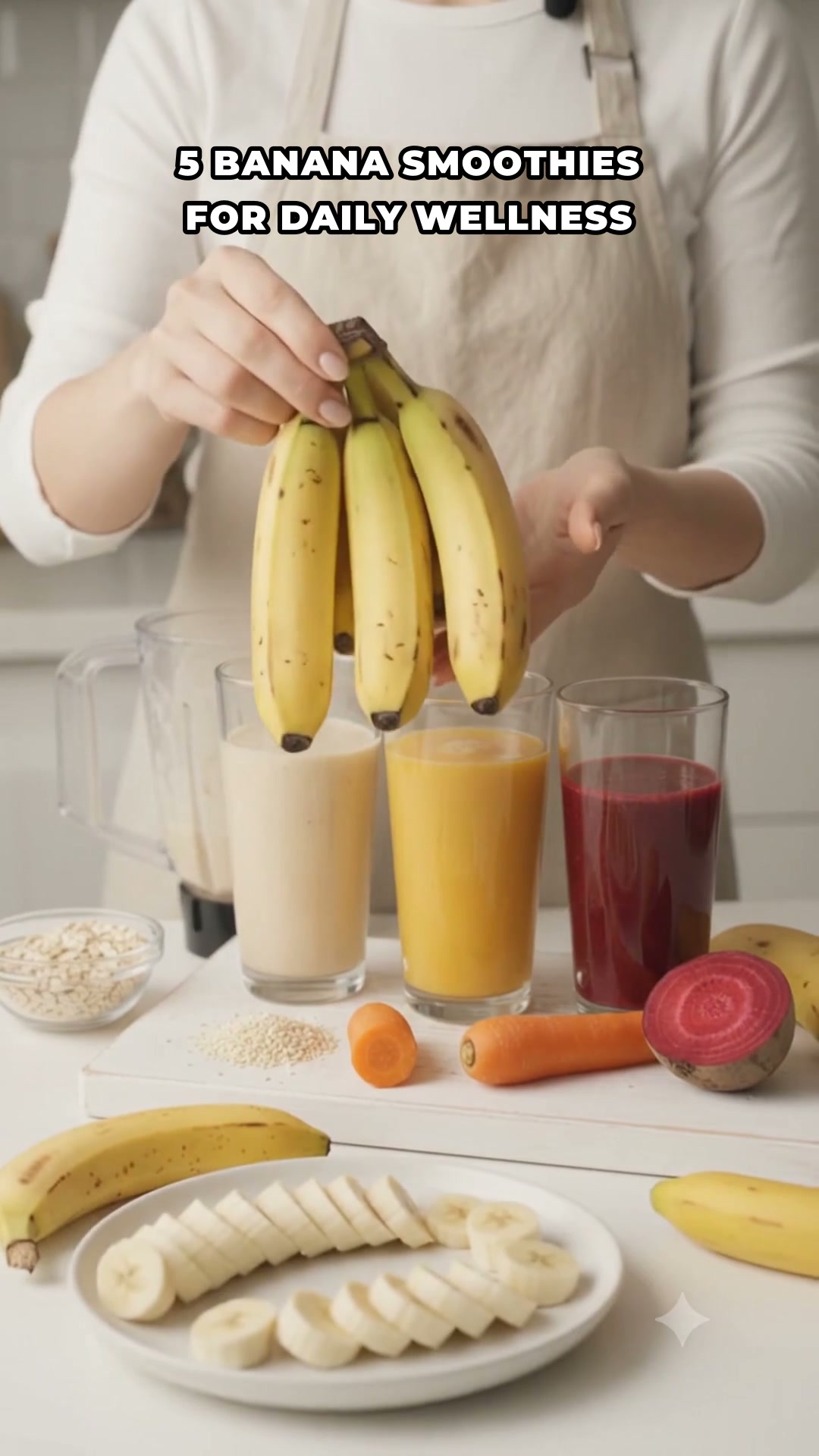
Gut Microbiome Modulation: The Synergistic Actions of Pectin, Fiber, and Actinidin from Apple, Chia, and Kiwi
This fiber-rich smoothie promotes healthy digestion and gut motility, but does not offer a 'colon flush' or cure chronic inflammation.

Homemade Coconut Oil: Unpacking the Phytochemistry of Medium-Chain Triglycerides
Homemade coconut oil provides a rich source of MCTs, particularly lauric acid, offering unique metabolic and antimicrobial properties, but requires mindful consumption due to its caloric density.

Synergistic Health Benefits of Spiced Coffee: A Biomedical Perspective
Incorporating specific spices into coffee can leverage their bioactive compounds to support blood sugar control, cognitive function, stress reduction, and metabolic health.
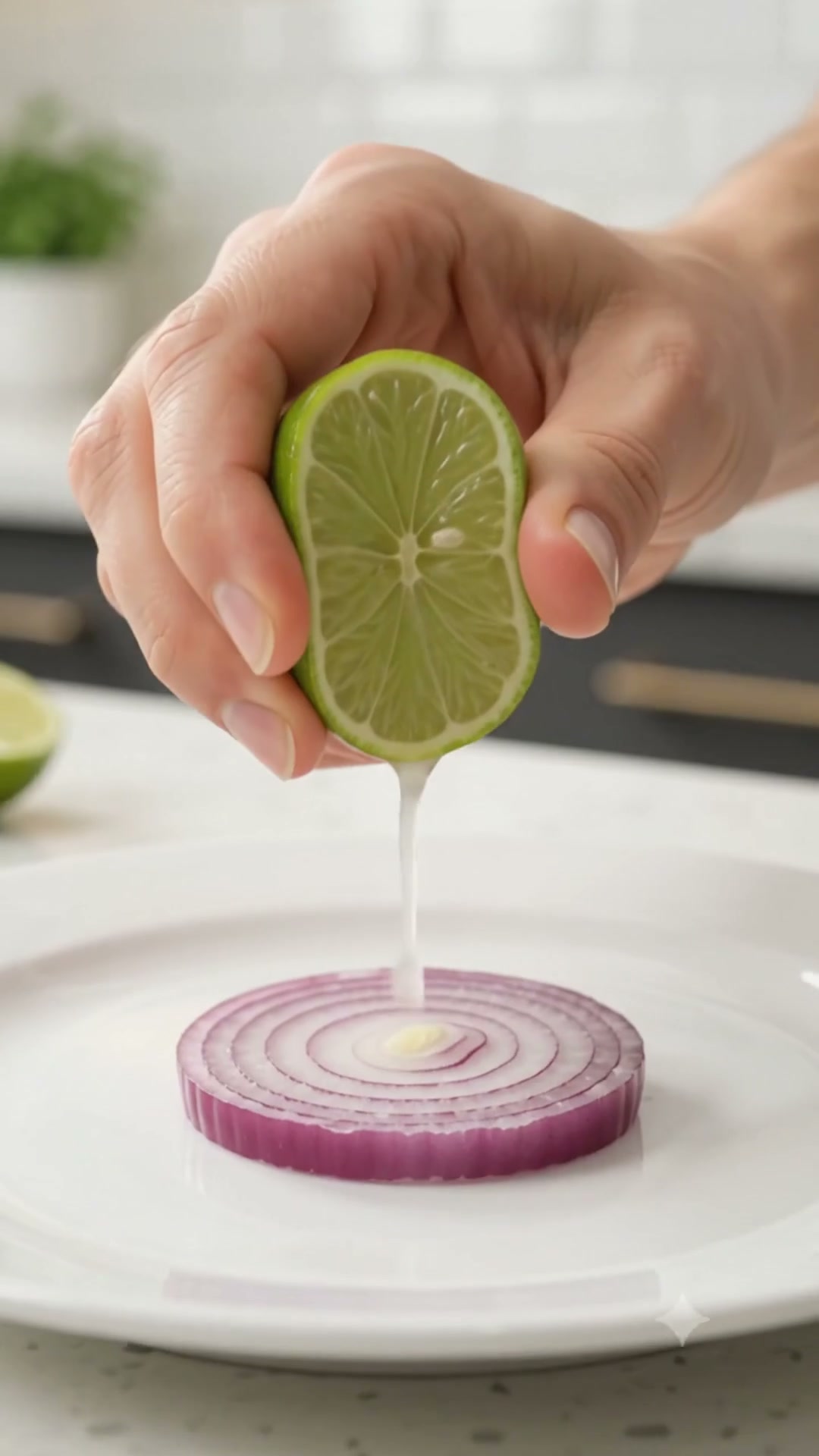
Homemade Cough Syrup: Unpacking the Science of Onion, Garlic, Lemon, and Honey
Onion, garlic, lemon, and honey offer a synergistic blend of compounds with potential benefits for soothing coughs and throat irritation.

Ginger, Calamansi, and Honey: Unpacking the Science of a Natural Wellness Elixir
This traditional blend offers synergistic anti-inflammatory, immune-supportive, and antimicrobial benefits, particularly for mild respiratory symptoms.

Turmeric: A Scientific Companion to Its Anti-inflammatory and Antioxidant Potentials
Turmeric, particularly its curcuminoids, offers potent anti-inflammatory and antioxidant benefits, with piperine significantly enhancing its systemic bioavailability.

Matcha: The Synergistic Science of Sustained Focus and Cognitive Enhancement
Matcha's unique combination of L-theanine and caffeine promotes calm, sustained focus by modulating brain waves and neurotransmitter activity.

Ginger's Therapeutic Potential: A Biomedical Review of Digestion, Inflammation, and Cellular Defense
Daily ginger intake can significantly support digestive comfort, mitigate nausea, and contribute to a healthy inflammatory and antioxidant status through its potent bioactive compounds.

Water-Cooked Chicken: The Science of Reducing AGEs and Preserving Protein Integrity
Cooking chicken in water instead of deep-frying drastically lowers calorie density and harmful glycation compounds.