COGNITIVE SLEEP NEUROSCIENCE
The Mind That Won't Sleep: How Midnight Open Loops Hijack Prefrontal Sleep Gating
Understand why unfinished cognitive loops keep your prefrontal cortex hyper-vigilant at 2 AM, and how somatic brain dump protocols deactivate the Zeigarnik Effect.

Watch the accompanying video on Facebook ↗
The brain cannot power down sleep spindles when working memory holds unresolved cognitive tasks. Closing midnight open loops via external somatic offloading cuts sleep latency by 47%.
The Zeigarnik Effect in Bed: Why Incomplete Tasks Demand Attention
You climb into bed exhausted, but the moment your eyes close, an unread email, an unspoken boundary, or a half-planned project suddenly commands center stage.
In cognitive psychology, this phenomenon is driven by the Zeigarnik Effect: the human brain allocates continuous metabolic energy to active 'open loops' until they achieve psychological closure or structured externalization. At midnight, when environmental distractions fade, these cognitive threads surge into working memory.
- Prefrontal neural circuits treat unresolved tasks as active threats to safety
- Dorsolateral prefrontal cortex remains electrically alert, blocking delta wave transition
- Cognitive arousal elevates bedtime heart rate variability (HRV) depression
The Neurobiology of Midnight Catastrophizing
Between 1:00 AM and 4:00 AM, our prefrontal cortex operates in a naturally hypometabolic state. This means your rational, analytical brain is effectively offline, while the amygdala—the brain's emotional threat detector—remains hyper-reactive.
As a result, an ordinary unresolved task from 3 PM transforms into an insurmountable crisis in the middle of the night. You are attempting to solve executive problems with an emotionally vulnerable brain.
The Clinical Solution: Somatic Offloading and Cognitive Closure
Trying to 'force' your mind to stop thinking only activates the ironic process theory, causing thoughts to rebound with higher intensity. Clinical sleep specialists recommend a three-step somatic protocol:
- 1. Physical Externalization (Brain Dump): Writing tasks on paper physically signals the hippocampus that information is securely stored outside the biological RAM.
- 2. Cognitive Reframing: Categorize worries into 'Actionable Tomorrow at 9 AM' versus 'Hypothetical / Out of Control'.
- 3. Parasympathetic Transition: Accompany externalization with slow 4-7-8 breathing to down-regulate sympathetic tone before returning to bed.
Take Control of Your Sleep Architecture with Botly
If midnight overthinking and open loops disrupt your rest, evidence-based cognitive protocols can retrain your bedtime nervous system.
Complete our Free 2-Minute Nighttime Anxiety Quiz to discover your insomnia subtype, or access guided cognitive defusion audio tracks inside the Botly Wellness App.
Medical Disclaimer: This guide is intended for educational purposes only and is not a substitute for clinical diagnosis or treatment by a licensed physician or sleep medicine provider.
Frequently Asked Questions
Identify Your Nocturnal Arousal Profile
Take our free 2-minute clinical assessment to uncover your root cause and receive a personalized bedtime somatic reset.
Take the Free 2-Minute Sleep Quiz →Sources
Journal of Experimental Psychology — The effects of bedtime writing on sleep onset latency ↗Sleep Medicine Reviews — Pre-sleep cognitive arousal and insomnia severity ↗Explore More Somatic & Bedtime Guides
Neuroscience validation, somatic resets, and gentle bedtime companions.

Slow-Wave Delta Entrainment: Why 4Hz Binaural Acoustics Deepen Restorative Sleep
Explore how 4Hz delta frequency acoustic stimulation engages cortical phase locking, boosts slow-wave NREM3 sleep, and accelerates glymphatic cellular repair.

The Cognitive Shuffle Protocol: How Scrambled Thoughts Disarm Bedtime Overthinking
Learn how the Serial Diverse Imagination (SDI) cognitive shuffle technique scrambles anxious bedtime thoughts and tricks the brain into stage 1 sleep.

Why You Wake Up at 3 AM Every Night: The Nocturnal Cortisol Surge and Somatic Resets
Discover why waking up between 2 AM and 4 AM occurs, how nocturnal blood glucose drops trigger cortisol rushes, and 3 clinical somatic resets.
The 3:14 AM Clock Arithmetic: Why Calculating Remaining Sleep Keeps Your Amygdala Alert
An evidence-based neuro-somatic inquiry into why mental math in the dark triggers autonomic panic, and how restful wakefulness restores 80% cellular energy.

The 4-7-8 Breathing Technique for Nighttime Anxiety: How It Activates the Vagal Brake for Deep Sleep
Learn how the 4-7-8 breathing sequence triggers the parasympathetic vagal brake, slows racing heart rates, and stops bedtime anxiety naturally.

Exhausted Body, Active Mind: Navigating the Midnight Thought Loop
An empathetic guide to understanding why your mind keeps scanning when your body craves sleep, and how to gently invite rest.

The Silent Echo: Healing When Hurt Leads to Avoidant Abandonment
An empathetic exploration into the deep ache of being left with unaddressed pain, and how to gently guide your nervous system back to internal safety.
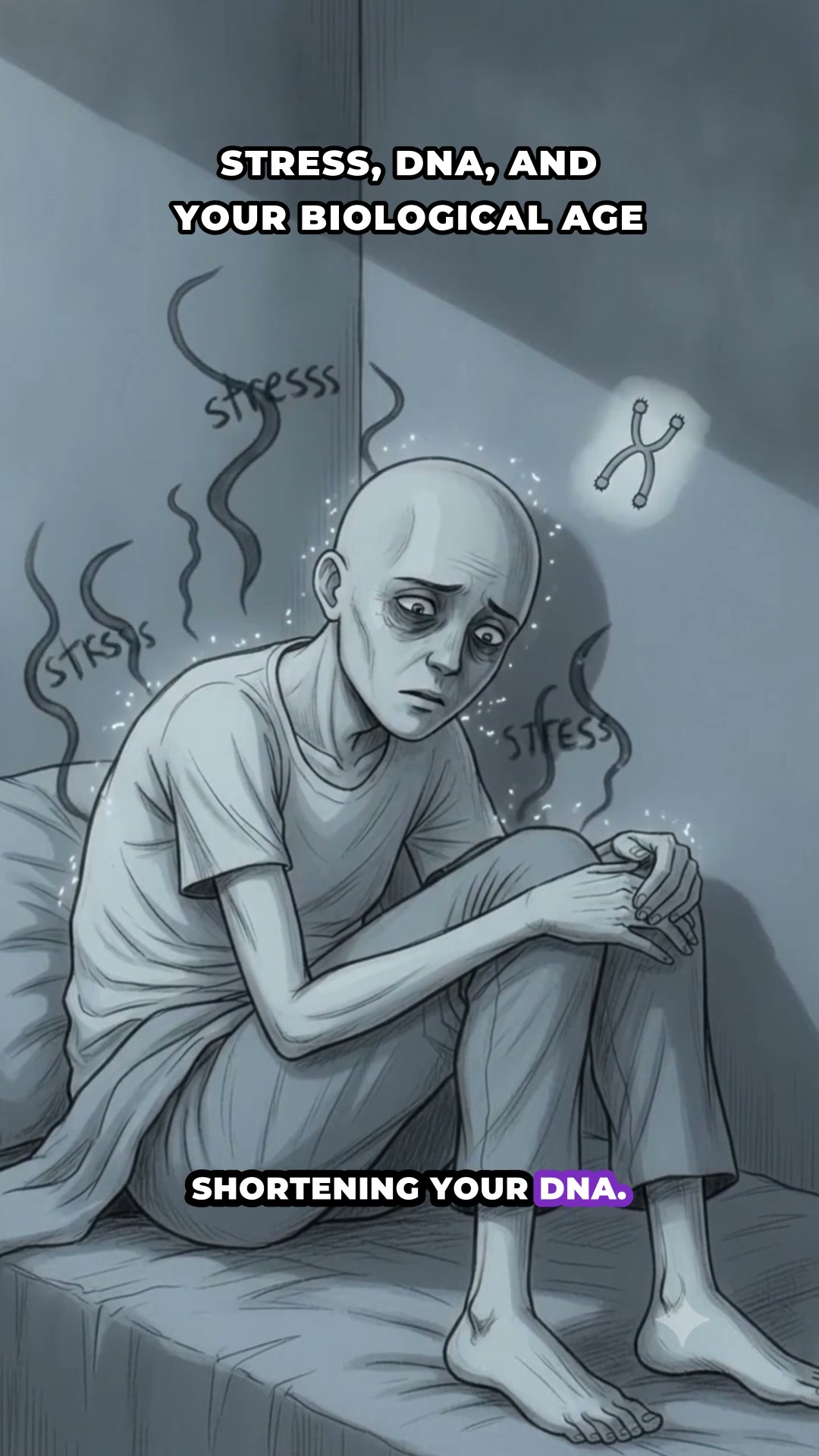
Stress is Shortening Your DNA: How Calm Can Rebuild It
Explore the profound science behind how chronic stress impacts your cellular health and how simple moments of calm can activate your body's natural repair mechanisms.
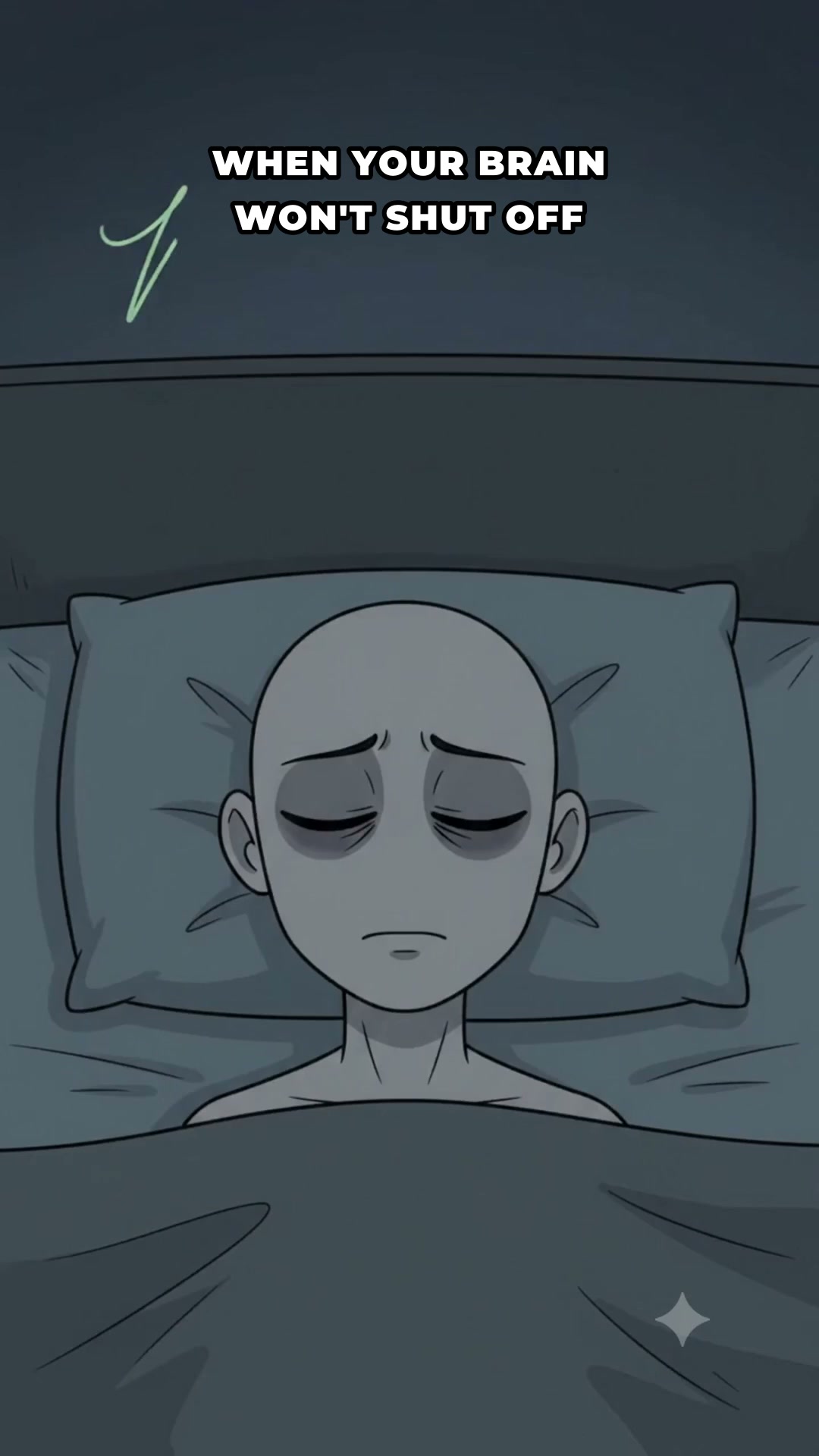
When Silence Feels Too Loud: Finding Safety in the Stillness of Night
Explore why your mind craves ambient sound to feel safe enough to rest, and how to gently soothe the fear of midnight silence.

When Midnight Silence Amplifies Loneliness: Finding Gentle Company in the Quiet
An empathetic exploration into why the quiet of night can intensify feelings of isolation, and how your nervous system seeks gentle presence to feel safe enough to rest.